Rice Inspection Services: Quality Control Guide
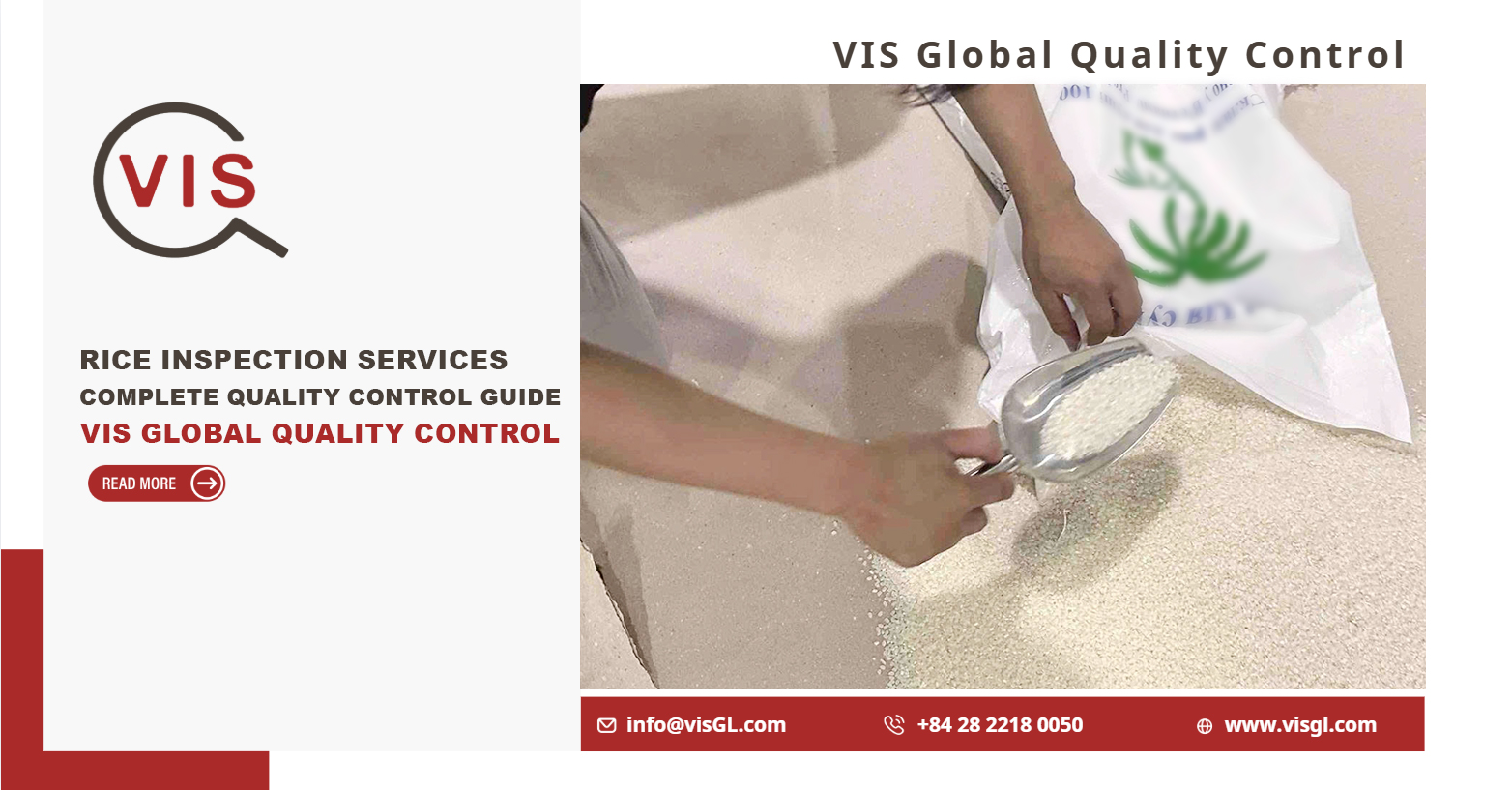
Rice Inspection Services in Vietnam
Introduction
Rice is a critical agricultural commodity traded globally, with strict requirements for quality, safety, and compliance. Even minor defects such as high moisture content or contamination can result in shipment rejection, financial loss, and reputational damage.
Rice inspection services are essential for exporters, importers, and distributors to ensure that products meet international standards before shipment. As a trusted third-party inspection company, VIS Global Quality Control provides professional quality inspection services to help businesses manage risks and maintain consistent product quality across global supply chains.
What Is Rice Inspection?
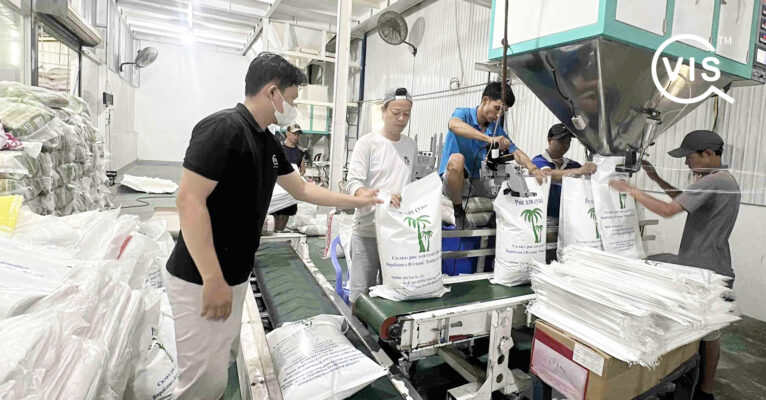
Rice inspection is a structured quality control process that evaluates rice based on physical, chemical, and safety parameters before export or import.
Key Objectives:
-
Ensure compliance with international food safety standards
-
Verify product specifications (moisture, broken ratio, purity)
-
Detect defects before shipment
-
Protect buyers and suppliers from trade risks
This process is a core part of agricultural inspection services and plays a vital role in global food trade.
Why Rice Inspection Is Critical in Global Trade
Rice is highly sensitive to storage conditions, humidity, and contamination. Without proper inspection, businesses face:
-
Shipment rejection at destination ports
-
Regulatory non-compliance (EU, US, Middle East)
-
Financial losses due to poor quality
-
Brand reputation damage
International Standards for Rice Inspection
Professional inspection service providers follow globally recognized standards:
1. Codex Alimentarius (FAO/WHO)
Defines:
-
Food safety requirements
-
Maximum contaminant levels
-
Hygiene standards
2. ISO Standards (ISO 9001 & ISO 22000)
Ensure:
-
Quality management systems
-
Food safety across supply chains
3. GAFTA & ASTM Methods
Used for:
-
Sampling procedures
-
Quality grading
-
Moisture testing
These standards ensure consistency in export quality inspection worldwide.
Complete Rice Inspection Process
A professional third-party inspection company like VIS Global follows a multi-stage inspection workflow:
1. Pre-Production Inspection (PPI)
Before production begins, inspectors evaluate:
-
Raw material quality (paddy rice)
-
Supplier capability
-
Factory hygiene conditions
Key Checks:
-
Storage environment
-
Milling equipment condition
-
Supplier documentation
2. During Production Inspection (DPI)
Also known as in-line inspection, this stage ensures consistency during processing.
Inspection Focus:
-
Grain uniformity
-
Broken rice ratio
-
Color consistency
Early detection helps reduce defects and production losses.
3. Pre-Shipment Inspection (PSI)
This is the most critical stage in rice quality control.
Key Parameters:
Moisture Content
-
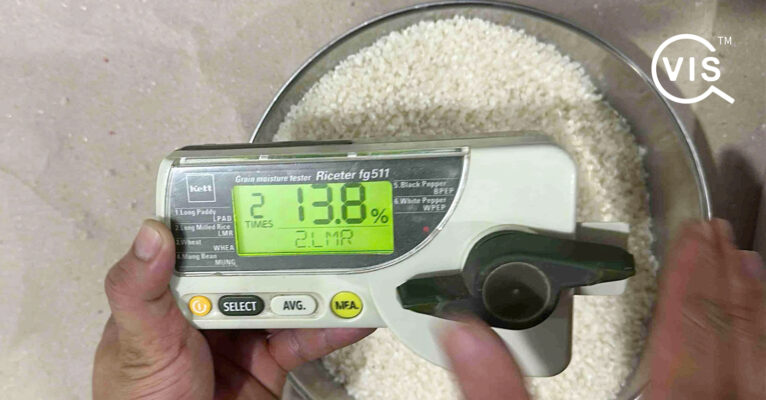
Standard: 12%–14%
-
High moisture → mold risk
Broken Grain Percentage
-
Premium grade: ≤ 5%
-
Standard grade: based on contract
Foreign Matter
-
Stones, dust, husk must be within limits
Color & Appearance
-
Uniform grain size
-
No discoloration
Pest Infestation
-
No live insects allowed
Odor
-
Must be natural and fresh
4. Sampling and Laboratory Testing
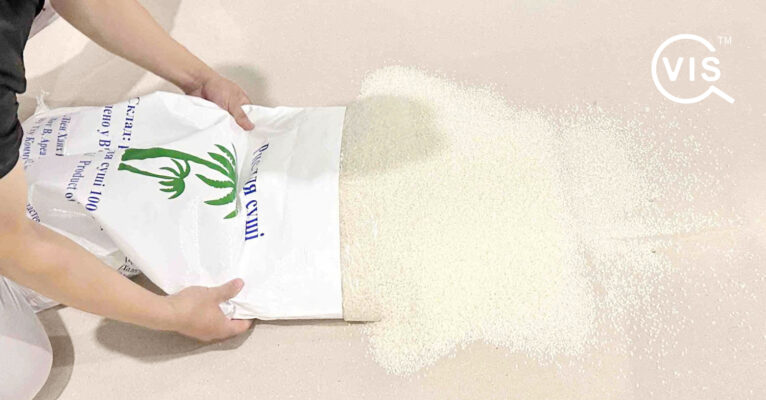
Sampling follows international standards such as GAFTA.
Laboratory Tests:
-
Pesticide residue analysis
-
Heavy metals (lead, arsenic)
-
Microbiological contamination
These tests ensure compliance with strict markets like the EU and USA.
5. Packaging and Labeling Inspection
Proper packaging is essential for product protection.
Inspection Points:
-
Bag integrity (no damage or leakage)
-
Correct weight
-
Label compliance (origin, batch, expiry date)
6. Container Loading Supervision (CLS)
Final verification before shipment.
Key Checks:
-
Container cleanliness and dryness
-
Proper loading method
-
Quantity verification
Container loading supervision ensures safe transportation and prevents damage during transit.
Key Quality Parameters in Rice Inspection
Professional grain inspection services evaluate:
Physical Properties:
-
Grain size and shape
-
Broken ratio
-
Chalkiness
Chemical Properties:
-
Moisture content
-
Protein levels
Safety Indicators:
-
Pesticide residues
-
Aflatoxin levels
-
Heavy metals
Rice Grades in International Trade
Understanding rice grading is essential for export quality inspection:
-
5% broken rice (premium export grade)
-
25% broken rice (commercial grade)
-
Jasmine rice (high-value segment)
-
Long grain vs short grain classification
Each grade has specific quality requirements and inspection criteria.
Common Defects Found During Rice Inspection
-
High moisture content → mold risk
-
Excessive broken grains
-
Foreign matter contamination
-
Pest infestation
-
Incorrect packaging
Early detection through quality inspection services helps avoid shipment rejection.
Benefits of Third-Party Inspection Services
Partnering with a reliable inspection company like VIS Global provides:
Independent Verification
Objective and unbiased inspection results
Risk Reduction
Minimizes financial and compliance risks
Regulatory Compliance
Meets international food safety standards
Supply Chain Transparency
Builds trust between buyers and suppliers
Why Choose VIS Global Quality Control?
VIS Global is a trusted food inspection company offering:
-
Experienced inspectors across Asia
-
Fast turnaround time
-
Detailed digital reports with photo evidence
-
Compliance with ISO, GAFTA, and Codex standards
Our expertise in supplier quality control Asia ensures consistent product quality for global clients.
Related Inspection Services
-
Pre-Shipment Inspection Services → /pre-shipment-inspection
-
Container Loading Supervision → /container-loading-supervision
-
Food Safety Inspection → /food-safety-inspection
-
Agricultural Inspection Services → /agricultural-inspection
-
Grain Moisture Testing → /grain-moisture-testing
These internal links strengthen VIS Global’s topical authority in inspection services.
Request Rice Inspection Services Today
Ensure your rice shipments meet international standards and buyer expectations.
👉 Contact VIS Global Quality Control today to request a quotation for rice inspection services in Vietnam.
FAQ
Frequently Asked Questions
What is rice inspection?
Rice inspection is a process to evaluate rice quality, including moisture, broken grains, and contamination before shipment.
Why is rice inspection important?
It prevents disputes, ensures compliance with international standards, and protects buyers and exporters.
What standards are used in rice inspection?
Common standards include ISO, Codex Alimentarius, and GAFTA guidelines.
When should rice inspection be conducted?
Typically before shipment (PSI) or during loading.
How much does rice inspection cost?
Costs depend on location, scope, and testing requirements.