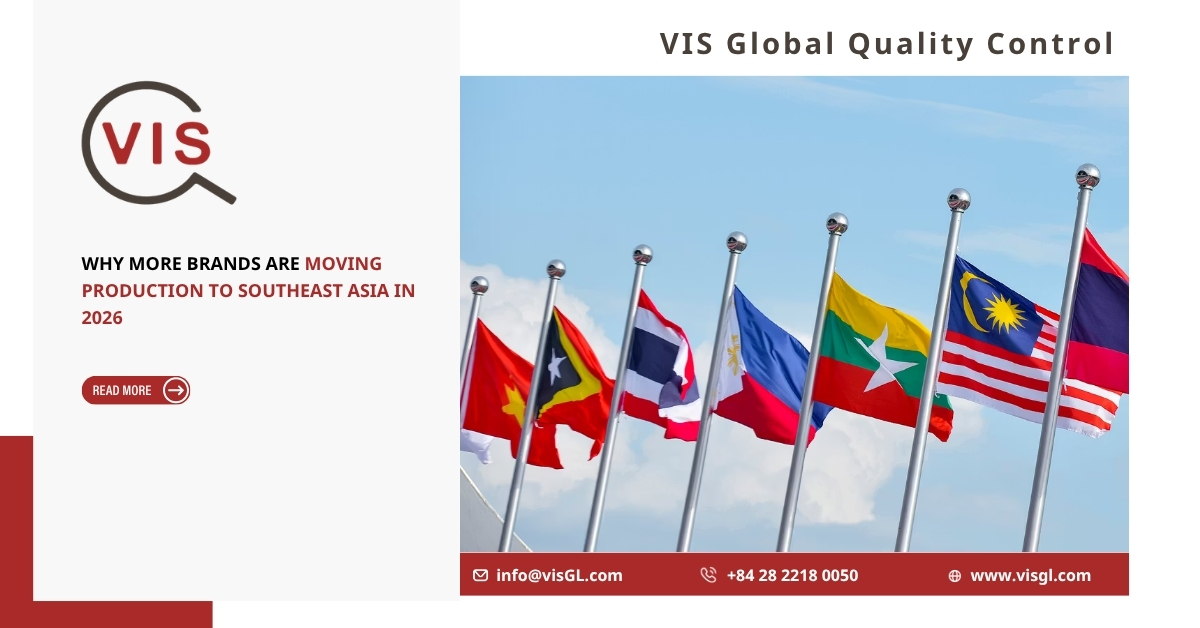
Why More Brands Are Moving Production to Southeast Asia in 2026
If you’ve been sourcing products from Asia over the past few years, you’ve probably noticed a shift. More and more brands — from global corporations to fast-growing e-commerce businesses — are moving part or all of their production out of China and into Southeast Asia. This is not a temporary trend. It’s a structural change in how the world makes and buys products. And if you’re a buyer, importer, or brand owner, understanding this shift is essential to making smarter sourcing decisions.
The China+1 Strategy Is Now the Default
For decades, China was the undisputed center of global manufacturing. It offered low costs, massive scale, and an unmatched supplier ecosystem. But the landscape has changed. Rising labor costs, ongoing trade tensions between the US and China, and the supply chain disruptions caused by the pandemic have pushed companies to rethink their dependence on a single country.
The result is what the industry calls the “China+1” strategy: keep some production in China, but diversify into at least one other country. And the most popular “plus one” destinations? Vietnam, Thailand, Cambodia, Indonesia, and India.
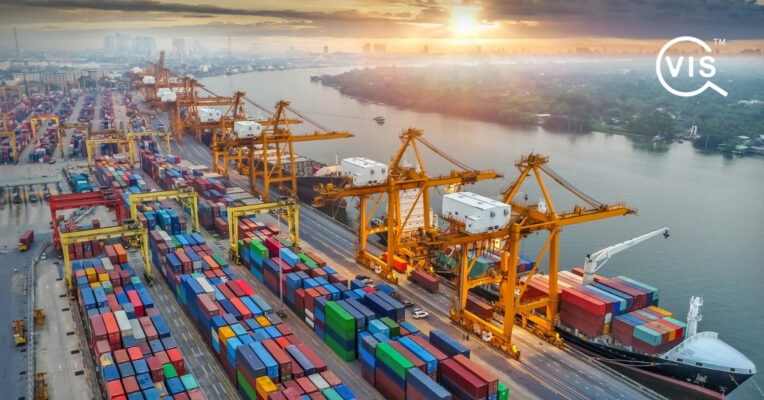
Major brands have already made significant moves. According to Nike’s fiscal year 2025 report, Vietnam now accounts for 51% of all Nike footwear production — up from just 13% in 2001. Sony has moved camera production for the Japanese, European, and US markets from China to Thailand. Tech giants like HP and Dell have been working to reallocate up to 30% of their notebook production out of China to mitigate tariff risks. Meanwhile, the number of Japanese companies operating in China dropped by over 1,300 between 2012 and 2023, with Southeast Asia as the primary destination.
Why Southeast Asia? The Advantages Are Clear
Southeast Asia offers a combination of factors that make it attractive for manufacturers and buyers alike. Labor costs in countries like Vietnam can be around three times lower than in China, while Indonesia’s can be up to five times lower. Free trade agreements — including RCEP, EVFTA, and CPTPP — give products made in the region preferential access to major markets in Europe, North America, and across Asia-Pacific.
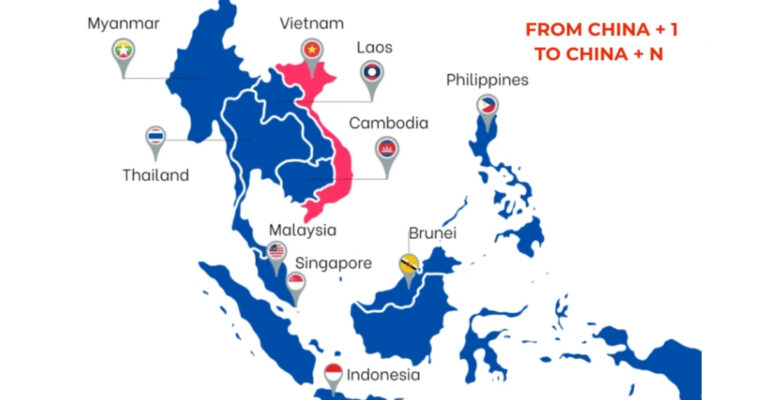
The region also has a young, growing workforce. With a combined population of over 670 million people, ASEAN countries provide the labor base that manufacturers need to scale. Governments across the region are actively investing in infrastructure, industrial zones, and technology to attract foreign investment.
The numbers tell the story. According to HKTDC research, ASEAN’s manufacturing and export trade in key sectors is projected to grow by 6–8% annually through 2027. The region’s B2B digital commerce market, which surpassed $90 billion in 2024, is expected to reach $130 billion by 2026. Southeast Asia is no longer just an “alternative” — it’s becoming a primary sourcing destination.
The Quality Challenge That Comes with the Move
But there’s a catch. Moving production to a new country doesn’t mean quality automatically follows. In fact, one of the biggest risks of supply chain diversification is the inconsistency in product quality when working with new factories in unfamiliar markets.
Many buyers who shift production to Southeast Asia discover that supplier capabilities vary widely. A factory that looks great on paper may lack the quality management systems, skilled workforce, or process controls to deliver consistent results. Industry research also highlights that Southeast Asia’s local supply chains are generally less mature than China’s, which can mean higher import dependency, longer lead times, and weaker supplier capability in certain regions.
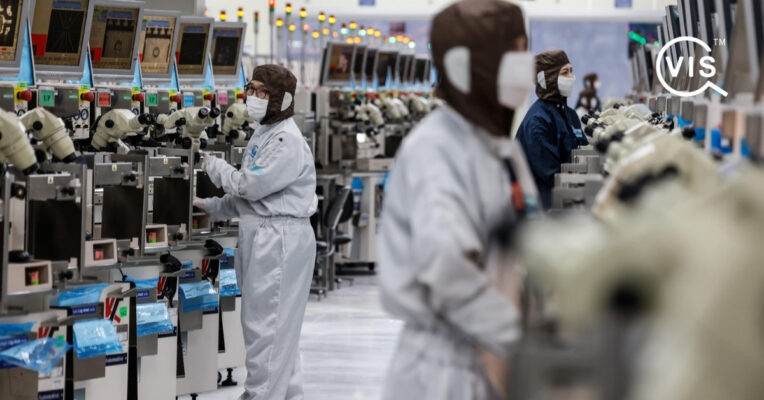
This is exactly where third-party quality control becomes critical. When you’re sourcing from a new country or working with a new supplier, having independent eyes on the ground — someone who can inspect your products, audit the factory, and verify that your specifications are met — is not a luxury. It’s a necessity.
How VIS Supports Buyers Across Southeast Asia and Beyond
This is why companies like VIS Global Quality Control exist. With offices in Vietnam, China, and Cambodia — and a service network covering Thailand, Malaysia, India, Bangladesh, Indonesia, and more — VIS is built for exactly this moment in global trade.
Whether you’re moving production from China to Vietnam, testing a new supplier in Cambodia, or managing multiple factories across the region, VIS provides the on-the-ground quality assurance you need: product inspections at every stage of production, factory audits, laboratory testing, and certification support — all delivered by a team of over 100 full-time, accredited professionals.
The shift to Southeast Asia is full of opportunity. But opportunity without quality control is just risk. The brands that succeed in this new landscape will be the ones that don’t just move their production — they move their quality standards with it.Thinking about diversifying your sourcing to Southeast Asia?
VIS Global Quality Control has local teams across 10+ countries ready to protect your products and your brand. Contact us today to learn how we can support your sourcing strategy.