First Time Importing from Asia? 10 Mistakes That Cost New Buyers Thousands
Importing products from Asia can be one of the smartest business decisions you make — or one of the most expensive lessons you learn. Every year, thousands of first-time buyers dive into sourcing from countries like China, Vietnam, and Thailand, only to discover that what seemed like a great deal turned into a costly headache. Here are ten mistakes we see over and over — and how to avoid them.
1. Choosing a Supplier Based on Price Alone
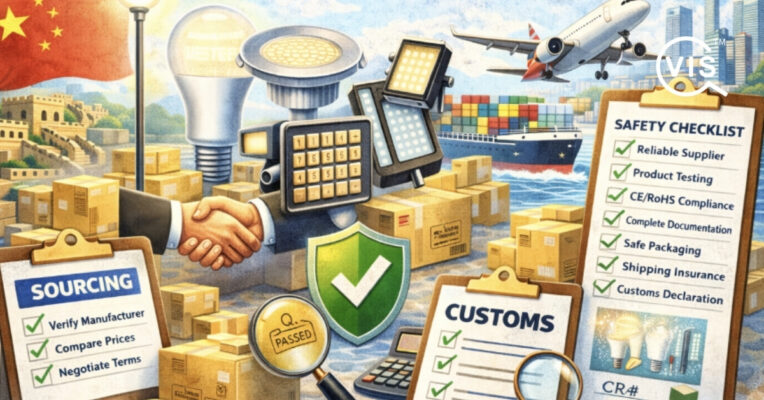
The cheapest quote is rarely the best deal. Low prices often mean corners are being cut on materials, workmanship, or both. Always evaluate a supplier’s track record, factory capabilities, and certifications before committing to the lowest bidder.
2. Not Requesting a Sample Before Bulk Production
Approving production without a confirmed reference sample is one of the most common — and avoidable — errors. A sample lets you verify materials, dimensions, colors, and functionality before thousands of units are made.
3. Skipping the Factory Audit
A website can look professional while the factory behind it may lack basic quality systems. A factory audit reveals the truth: production capacity, workforce conditions, quality management, and whether the factory can actually deliver what it promises.
4. Not Defining Quality Standards in Writing
If your quality expectations aren’t documented in a clear product specification, your supplier will use their own judgment — which may not match yours. Put everything in writing: acceptable colors, measurements, tolerances, packaging, labeling, and defect criteria.
5. Assuming the Supplier Will Inspect for You
Many buyers assume that factories conduct their own quality checks. Some do, but their standards and your standards are often very different. An independent third-party inspection removes the guesswork.
6. Ordering Without Understanding Import Regulations
Every destination market has its own safety and compliance requirements. Products sold in the US may need CPSIA compliance, while the EU requires CE marking. Failing to meet these requirements can result in your goods being seized at customs.
7. Ignoring Packaging and Labeling Requirements
A great product in bad packaging still fails. Incorrect barcodes, missing care labels, or inadequate shipping cartons can lead to rejected shipments — especially if you’re selling through marketplaces like Amazon, which enforce strict packaging standards.
8. Not Planning for Lead Times and Holidays
Asian factories observe different holiday schedules — Chinese New Year, Tet in Vietnam, Songkran in Thailand — and production can slow or stop for weeks. First-time buyers often underestimate how long production, inspection, and shipping actually take.
9. Paying 100% Upfront
Standard practice is to pay a 30% deposit before production and the remaining 70% after inspection and before shipment. Paying everything upfront removes your leverage if something goes wrong.
10. Skipping Pre-Shipment Inspection
This is the biggest and most costly mistake of all. Without an independent inspection before shipping, you won’t know what’s in those boxes until they arrive at your warehouse — thousands of miles and several weeks too late to do anything about it.
How VIS Helps First-Time Buyers Avoid These Mistakes
VIS Global Quality Control helps buyers at every stage: from factory audits and sample verification to pre-shipment inspections and lab testing. With offices in Vietnam, China, Cambodia, and a network across 10+ countries, VIS acts as your eyes and ears on the ground — so you can buy with confidence, even on your first order.
New to importing? Don’t learn the hard way.
Let VIS protect your first order — and every order after that. Contact VIS today.