Comprehensive Product Inspection Services in Vietnam & Asia: Safeguarding Your Global Supply Chain

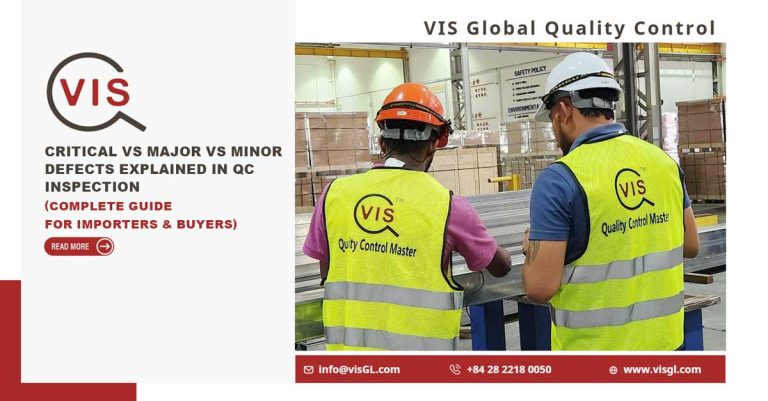
In the high-stakes arena of international trade, product quality is the cornerstone of brand reputation. As supply chains shift increasingly toward Southeast Asia, particularly Vietnam, the necessity for rigorous oversight has never been higher. Product inspection services act as your “eyes and ears” on the factory floor, ensuring that every unit meets your specifications before it leaves the port.
At VIS Global Quality Control, we provide technical expertise and boots-on-the-ground presence to mitigate risks, reduce costs, and ensure seamless delivery for global importers.
1. What is Professional Product Inspection?
Product inspection is a systematic process of checking, measuring, and testing goods against predefined quality standards, technical specifications, and purchase order requirements. Unlike certification bodies that focus on administrative compliance, a third-party inspection agency like VIS Global focuses on physical verification at the manufacturing site.
The Strategic Value of Third-Party Quality Control (QC)
- Impartiality: Unlike factory-owned QC, third-party inspectors provide an unbiased view of production reality.
- Risk Mitigation: Identifying defects at the source prevents the catastrophic costs of product recalls or customer returns.
- Brand Protection: Ensuring only “Grade A” products reach your shelves maintains consumer trust.

2. Core Inspection Solutions Provided by VIS Global
Strategic buyers do not just inspect at the end; they monitor the entire production lifecycle. We offer a full suite of services tailored to your specific needs:
2.1 Initial Production Check (IPC)
Performed when 0% to 10% of the order is completed. We verify raw materials, components, and tooling to ensure the factory is prepared for high-volume production. This prevents systemic errors from occurring at the start.
2.2 During Production Check (DUPRO)
Conducted when 20% to 50% of the goods are finished. This is the most critical stage for identifying deviations in craftsmanship or assembly. By catching errors mid-stream, we allow the factory to pivot without wasting the entire batch.
2.3 Pre-Shipment Inspection (PSI)
The industry standard for final verification. Once 100% of production is finished and at least 80% is packed, our inspectors perform a statistical sample check. This is the final “Go/No-Go” decision point before payment is released.
2.4 Container Loading Check (CLC)
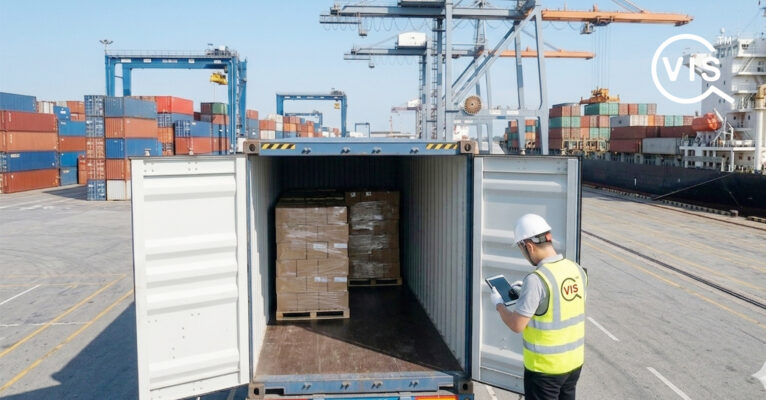
The final step in the chain. We supervise the loading process to ensure the correct quantity is loaded, the container is structurally sound, and the cargo is secured to prevent damage during sea or air transit.
3. The Technical Standard: AQL Sampling Explained
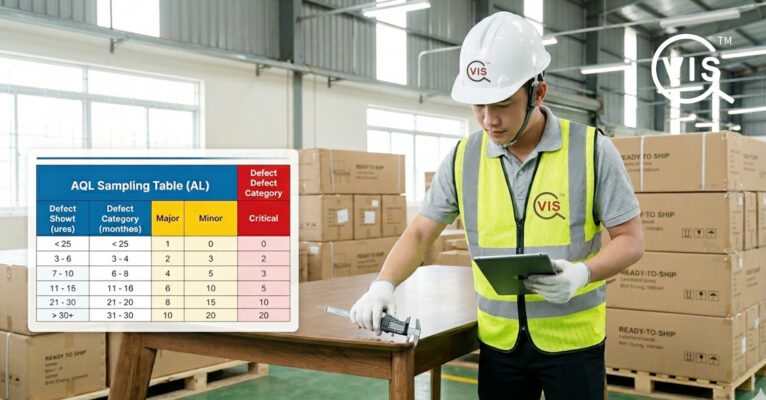
To provide a statistically significant yet cost-effective result, we utilize the AQL (Acceptable Quality Limit) standard (ISO 2859-1). This mathematical model determines the maximum number of defects allowed in a sample size before the entire lot is rejected.
| Defect Classification | Definition | Typical Acceptance Level |
| Critical | Potential to cause harm or violates regulations. | 0% |
| Major | Likely to result in failure or reduced usability. | 2.5% |
| Minor | Aesthetic deviations that do not affect function. | 4.0% |
4. Case Study: Mitigating a $100k Quality Crisis for a US Furniture Retailer
The Challenge: A major furniture importer in North Carolina placed an order for two containers of oak dining sets with a manufacturer in Binh Duong, Vietnam. Due to travel restrictions, they could not verify the production in person.
The Intervention: VIS Global was commissioned to perform a Pre-Shipment Inspection (PSI). Using AQL 2.5/4.0 standards, our technicians discovered that 18% of the items had a wood moisture content exceeding 15%—well above the 10-12% threshold required for the dry US climate.
The Result:
- The shipment was “Rejected” by VIS Global.
- The factory was forced to re-dry the components before final assembly.
- The client saved an estimated $45,000 in potential replacement costs and freight for defective items.
- VIS Global ensured that the final delivered product met the longevity standards expected by the US market.
5. Why Choose VIS Global Quality Control?
VIS Global provides an agile, client-centric approach tailored for the modern supply chain:
- Speed to Market: We can be on-site at any factory in Vietnam or China within 48 hours.
- Transparent Reporting: Receive a comprehensive digital report including high-definition photos and video evidence within 24 hours of the inspection.
- Local Expertise, Global Standards: Our inspectors are local experts who understand regional manufacturing nuances but operate under strict international ISO 17020 guidelines.
- Cost Efficiency: Transparent, flat-rate pricing per man-day with no hidden travel fees in major manufacturing hubs.
FAQ: Frequently Asked Questions
- How do you calculate the inspection man-day?
A man-day is calculated based on the workload and sample size required by the AQL standard. Larger orders or complex products may require multiple man-days or multiple inspectors.
- Can you perform inspections outside of Vietnam?
Yes. VIS Global operates a robust network of inspectors across China, India, Bangladesh, and Cambodia, providing a unified quality standard across Asia.
- What happens if the inspection fails?
If the result is “Fail/Pending,” we provide detailed evidence to both the buyer and the factory. You can then negotiate a rework, a discount, or a replacement with the supplier before the goods are shipped.
Conclusion: Secure Your Product Quality Today
Risk is inevitable in global sourcing, but it is manageable. Partnering with a professional third-party inspection agency is the most effective way to protect your bottom line and ensure customer satisfaction.
Take control of your quality today with VIS Global:
- Official Website: www.visGL.com
- Email for Inquiries: info@visGL.com