
 Info@visgl.com











VIS News
Comprehensive Dried Food Inspection for a Korean Client | VIS Global Quality Control
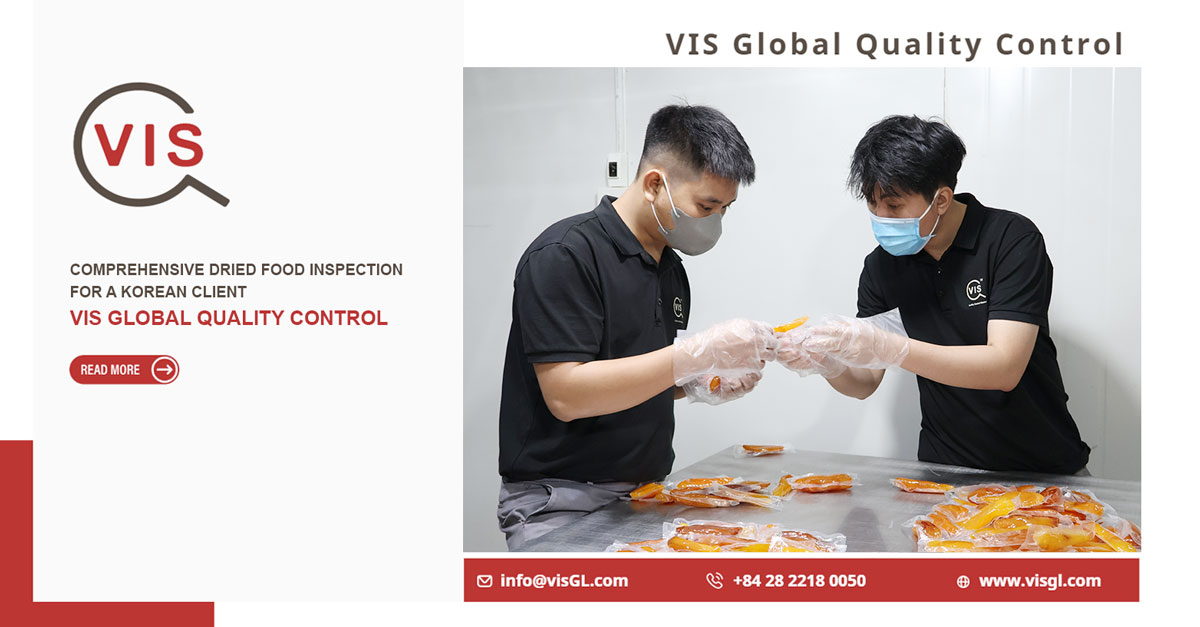
Comprehensive Dried Food Inspection for a Korean Client | VIS Global Quality Control
In today’s highly regulated food and agriculture industry, ensuring product quality and safety is not optional—it is a critical requirement for global trade. For exporters targeting demanding markets such as South Korea, rigorous food inspection and quality control processes are essential to meet strict import regulations and consumer expectations.
Recently, VIS Global Quality Control conducted a detailed dried food inspection for a Korean client, focusing on product integrity, sensory evaluation, and technical parameters such as moisture and sugar content. This inspection highlights the importance of third-party quality assurance in safeguarding supply chain reliability and brand reputation.
Why Dried Food Inspection Matters in Global Food Supply Chains
Dried food products, including dried fruits and agricultural goods, are widely traded due to their extended shelf life and convenience. However, they also present several quality risks:
- Excess moisture leading to mold growth and spoilage
- Inconsistent sugar levels affecting taste and compliance
- Packaging defects compromising product safety
- Mislabeling or incorrect ingredient declarations
These risks make food quality inspection services a vital step before shipment, particularly for export markets with strict compliance requirements like South Korea.

VIS Global’s Step-by-Step Food Inspection Process
1. Packaging Inspection and Compliance Verification
The inspection process begins with a thorough evaluation of packaging integrity and labeling accuracy. VIS Global inspectors assess:
- Seal condition and vacuum packaging performance
- Packaging durability during transportation
- Labeling details (ingredients, origin, expiration date)
- Compliance with Korean import regulations
This step ensures that the product meets food safety compliance standards and reduces the risk of rejection at customs.
2. Product Composition and Ingredient Verification
Accurate ingredient composition is critical in the food and agriculture sector. Inspectors verify:
- Consistency between declared and actual ingredients
- Proportion of key raw materials
- Uniformity across sampled units
This process strengthens transparency and ensures compliance with international food quality control standards.
3. Size, Shape, and Specification Check
For dried food products, especially dried fruits, uniformity is essential for both quality perception and commercial value. VIS Global evaluates:
- Product size and thickness
- Consistency across batches
- Adherence to technical specifications
Maintaining uniform product standards improves customer satisfaction and brand credibility.
4. Color and Visual Quality Assessment
Color is a key indicator of product quality in food inspection services. Inspectors examine:
- Natural color consistency
- Signs of oxidation or overheating during drying
- Alignment with approved reference samples
Visual defects may indicate processing issues that could impact product quality and market acceptance.
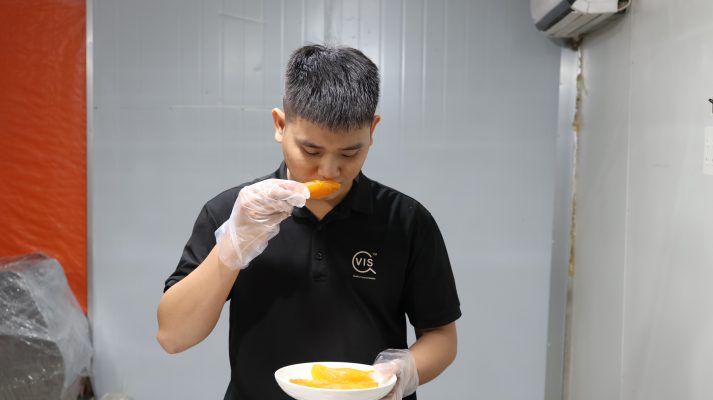
5. Sensory Evaluation: Taste and Smell Testing
A critical part of the inspection involves sensory testing, where trained inspectors:
- Evaluate taste profile and sweetness
- Detect off-flavors or abnormal odors
- Ensure the product meets market expectations
This step is particularly important for the Korean market, where consumers demand high standards in taste and product authenticity.
Advanced Testing: Moisture Content and Sugar Level Analysis
Moisture Content Testing
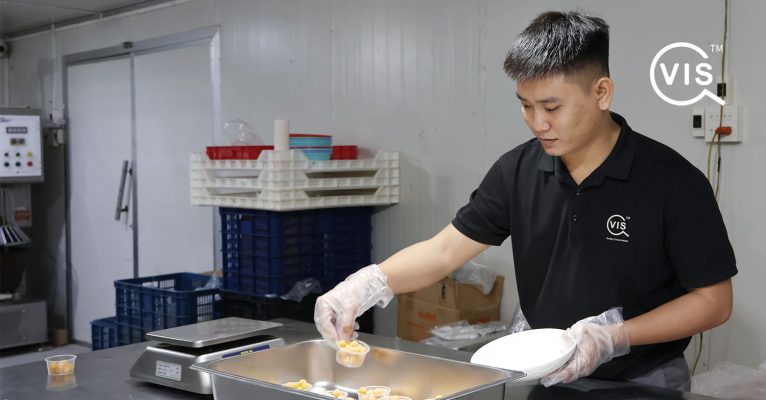
Moisture control is one of the most important factors in dried food quality inspection. VIS Global uses professional equipment to:
- Measure moisture levels accurately
- Prevent microbial growth and spoilage
- Ensure optimal shelf life
Proper moisture control directly impacts food safety and long-term product stability.
Sugar Content Verification
Sugar levels influence both taste and regulatory compliance. VIS Global evaluates:
- Consistency of sweetness across samples
- Alignment with product specifications
- Suitability for target market preferences
This analysis ensures the product meets both consumer expectations and import standards.
Compliance with International Food Safety Standards
VIS Global follows globally recognized standards in food inspection and agriculture quality control, including:
- HACCP (Hazard Analysis and Critical Control Points)
- ISO-based food safety management systems
- South Korea’s import regulations for agricultural products
By adhering to these frameworks, VIS Global ensures that every inspected product meets international food safety and compliance requirements.
Key Benefits for the Client
Through this comprehensive inspection, the Korean client achieved:
- Full transparency through detailed inspection reports
- Early detection of quality issues before shipment
- Reduced risk of product rejection or recall
- Enhanced brand protection in a competitive market
VIS Global acts not only as a service provider but as a strategic partner in global food supply chain quality assurance.
Conclusion
As global demand for safe and high-quality agricultural products continues to grow, professional dried food inspection services play a crucial role in ensuring compliance, consistency, and consumer trust.
With a comprehensive inspection approach covering packaging, composition, sensory evaluation, and technical testing such as moisture and sugar levels, VIS Global Quality Control delivers reliable and efficient solutions for businesses operating in the food and agriculture industry.
If your company is exporting dried food products and needs a trusted third-party inspection partner, VIS Global is ready to support your quality assurance needs worldwide.
Contact us today for reliable inspection solutions within 24 hours.
📩 info@visGL.com
🌐 www.visGL.com
