
 Info@visgl.com











Inspection News
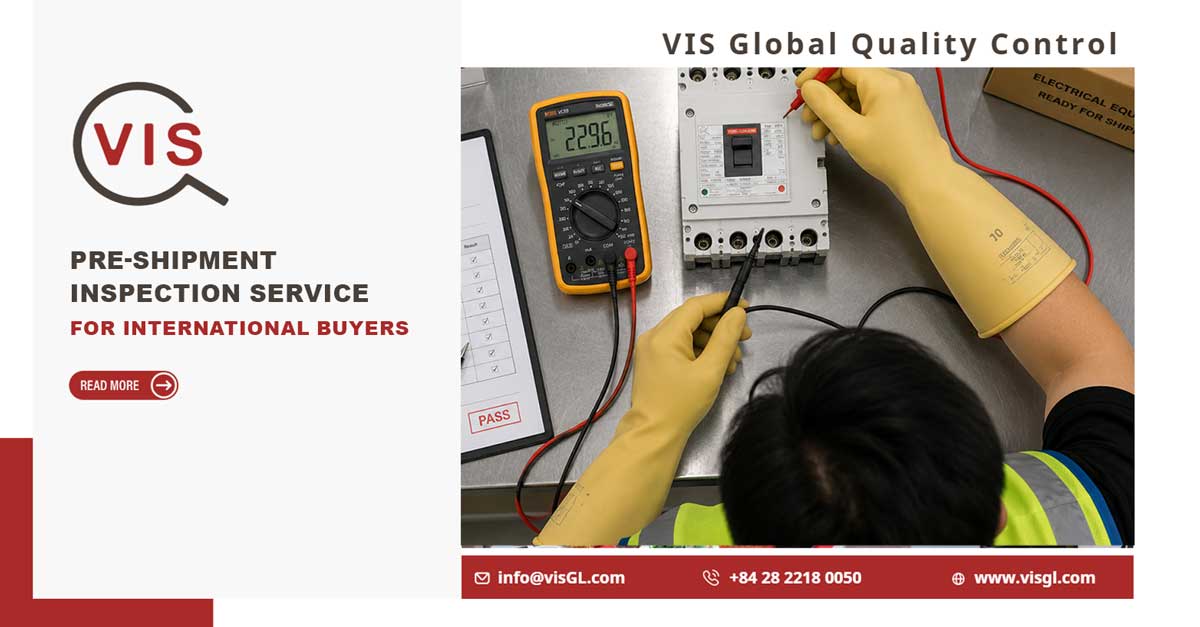
Pre-Shipment Inspection Service for International Buyers
In global sourcing and international manufacturing, most product quality failures are not discovered at the factory.
They are discovered after shipment arrival — when products already reach warehouses, retailers, Amazon fulfillment centers, or end customers.
At that stage, quality problems become significantly more expensive and difficult to resolve.
For importers, retailers, OEM buyers, and Amazon FBA sellers, a single defective shipment can lead to:
- Product returns
- Retail chargebacks
- Customer complaints
- Shipment rejection
- Marketplace penalties
- Production delays
- Emergency replacement costs
- Long-term brand reputation damage
This is why professional buyers rely heavily on pre-shipment inspection services as a critical part of supply chain risk management.
A professional pre-shipment inspection helps buyers verify whether finished products comply with approved specifications, packaging standards, labeling requirements, and quality expectations before cargo leaves the factory.
In this guide, we explain:
- What pre-shipment inspection is
- How AQL inspection works
- Common defects found before shipment
- Why third-party quality control matters
- How to choose a reliable inspection company in Vietnam
- Best practices for reducing supplier risks in global sourcing
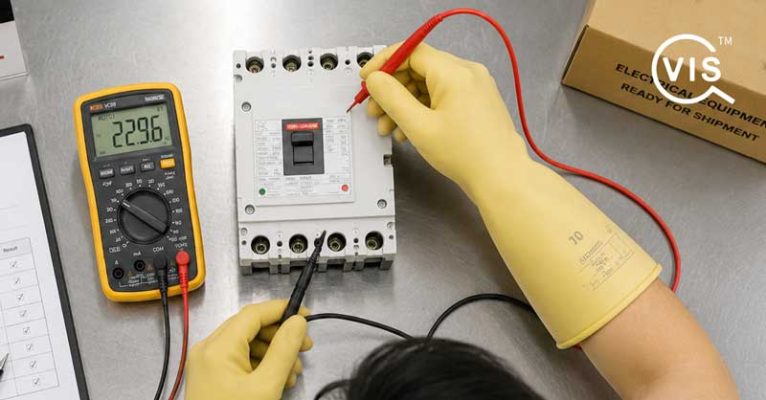
What Is a Pre-Shipment Inspection Service?
A pre-shipment inspection (PSI) is a systematic quality control procedure conducted when production is completed and at least 80% of products are packed for export.
The purpose of PSI inspection is to verify whether finished goods meet buyer requirements before shipment approval.
Professional inspectors evaluate:
- Product appearance
- Workmanship quality
- Product functionality
- Dimensions and measurements
- Product safety
- Labeling accuracy
- Barcode verification
- Packaging condition
- Carton quality
- Shipping marks
- Quantity confirmation
- Assortment accuracy
A professional inspection report provides objective quality data that helps buyers make shipment release decisions based on actual product conditions instead of supplier claims alone.
For international buyers sourcing products from Vietnam and Asia, pre-shipment inspection is considered one of the most effective tools for reducing supply chain risks before export.
Why Pre-Shipment Inspection Is Critical in Global Sourcing
Mass production environments are highly dynamic.
Even experienced factories can experience quality instability due to:
- Worker fatigue
- Production pressure
- Tight delivery schedules
- Raw material variation
- Machine calibration problems
- Packaging shortages
- Operator inconsistency
- Last-minute production adjustments
Without independent inspection procedures, many of these problems remain hidden until products reach the destination market.
In real sourcing operations, buyers frequently discover:
- Incorrect labeling
- Missing accessories
- Weak packaging
- Product malfunctions
- Cosmetic defects
- Barcode errors
- Quantity shortages
- Retail compliance failures
after products already enter international logistics channels.
For e-commerce brands and retail importers, these problems can rapidly increase total landed costs.
According to global sourcing experience across Vietnam manufacturing sectors, defects identified after shipment often create significantly higher financial losses compared to defects detected before export release.
This is especially important for:
- Amazon FBA sellers
- Retail suppliers
- OEM manufacturing projects
- Seasonal product shipments
- Promotional campaigns
- Consumer electronics brands
- Packaging suppliers
- Textile and apparel importers
What Happens If You Skip Pre-Shipment Inspection?
Many importers underestimate how expensive post-shipment quality failures can become.
Without PSI inspection, buyers may face:
| Risk | Business Impact |
| Product defects | Customer complaints and returns |
| Incorrect labeling | Customs delays and retailer rejection |
| Packaging failure | Transportation damage |
| Barcode errors | Amazon FBA refusal |
| Quantity shortages | Inventory disruption |
| Compliance issues | Legal and financial risks |
| Poor workmanship | Brand reputation damage |
For Amazon FBA shipments, barcode and labeling issues remain one of the most common causes of warehouse rejection.
In Vietnam manufacturing environments, inspectors also frequently identify packaging compression risks during humid export seasons when cartons are stored in poorly ventilated warehouses before container loading.
These operational details are often overlooked without professional quality inspection procedures.
How Pre-Shipment Inspection Works
A professional pre-shipment inspection process typically includes several stages.
1. Inspection Preparation
Inspectors review:
- Product specifications
- Approved samples
- Technical requirements
- Packaging instructions
- Labeling standards
- Buyer checklists
2. Random Sampling Based on AQL Standards
Products are selected according to internationally recognized AQL sampling standards.
The most common standards include:
- ISO 2859-1
- ANSI/ASQ Z1.4
These statistical methods help buyers evaluate shipment quality efficiently without inspecting every unit.
3. Product Inspection
Inspectors evaluate:
- Visual appearance
- Product functionality
- Measurements
- Material quality
- Workmanship
- Safety requirements
4. Packaging and Label Verification
Inspectors confirm:
- Carton durability
- Barcode accuracy
- Shipping marks
- Country-of-origin labeling
- Retail compliance requirements
5. Inspection Reporting
Buyers receive detailed inspection reports containing:
- Defect photos
- Defect classification
- Quantity verification
- Packaging analysis
- AQL results
- Shipment recommendations
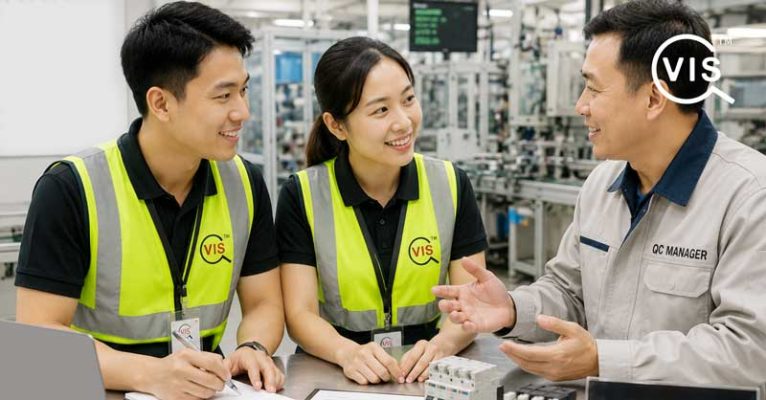
Understanding AQL Sampling Standards
AQL stands for Acceptable Quality Limit.
Instead of checking every unit, inspectors evaluate statistical product samples to determine whether shipment quality meets acceptable risk thresholds.
Products are generally classified into three defect categories.
Critical Defects
Critical defects create safety risks or legal compliance problems.
Examples include:
- Electrical hazards
- Sharp edges
- Toxic material exposure
- Product safety failures
Critical defects usually require zero tolerance.
Major Defects
Major defects affect product usability or customer satisfaction.
Examples include:
- Product malfunction
- Incorrect assembly
- Structural weakness
- Missing components
Minor Defects
Minor defects are cosmetic issues that do not significantly affect functionality.
Examples include:
- Small scratches
- Minor stains
- Slight color variation
- Surface inconsistencies
AQL inspection helps buyers balance practical risk management with inspection efficiency.
Common Product Defects Found During Pre-Shipment Inspection
Professional inspectors repeatedly identify similar production problems across many industries.
Cosmetic Defects
Common cosmetic issues include:
- Scratches
- Paint inconsistency
- Printing defects
- Surface contamination
- Poor finishing quality
Cosmetic quality is especially important for retail and consumer products.
Functional Defects
Functional failures represent some of the most serious quality risks.
Examples include:
- Electrical malfunction
- Leakage problems
- Weak assembly
- Mechanical instability
- Battery performance issues
Packaging Problems
Weak packaging frequently causes transportation damage even when products themselves are manufactured correctly.
Inspectors evaluate:
- Carton strength
- Moisture resistance
- Inner protection
- Drop resistance
- Pallet stability
Labeling and Barcode Errors
Incorrect labeling can create customs delays and retailer compliance failures.
Common issues include:
- Wrong barcode
- Missing country of origin
- Incorrect carton marks
- Incorrect language labeling
Quantity Shortages
Quantity discrepancies remain a common issue in international shipments.
Pre-shipment inspection helps buyers verify shipment accuracy before container loading.
Pre-Shipment Inspection Checklist
A professional PSI checklist typically includes:
Product Quality Checklist
- Appearance inspection
- Function testing
- Measurement verification
- Material confirmation
- Workmanship evaluation
Packaging Checklist
- Carton strength
- Inner protection
- Shipping marks
- Pallet condition
- Barcode readability
Compliance Checklist
- Country-of-origin labeling
- Retail packaging standards
- Safety requirements
- Regulatory compliance
Quantity Verification Checklist
- Carton count
- Assortment verification
- SKU confirmation
- Packing accuracy
Industries That Commonly Use Pre-Shipment Inspection
Textile and Apparel Industry
Inspectors verify:
- Stitching quality
- Fabric defects
- Measurement consistency
- Color matching
- Packing assortment
Electronics Manufacturing
Inspection focuses on:
- Product functionality
- Voltage compliance
- Accessory completeness
- Electrical safety
Solar Panel Manufacturing
Solar panel inspection includes:
- Cell crack detection
- Surface defects
- Power consistency
- Frame quality
- Packaging protection
Footwear and Fashion Accessories
Inspectors evaluate:
- Glue quality
- Material defects
- Logo consistency
- Wear resistance
Packaging and Printing Industry
Inspection includes:
- Print quality
- Color accuracy
- Carton durability
- Barcode readability
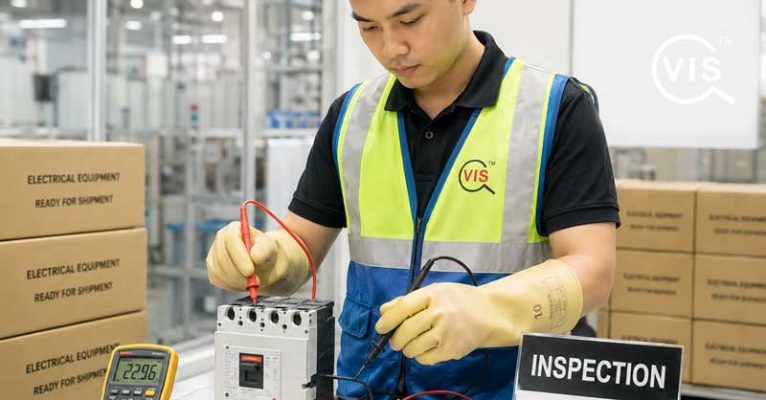
Pre-Shipment Inspection vs During Production Inspection
Many buyers assume final inspection alone is sufficient.
However, professional quality management systems usually combine multiple inspection stages.
| Inspection Type | Main Objective |
| During Production Inspection (DPI) | Detect problems early during manufacturing |
| Pre-Shipment Inspection (PSI) | Verify final shipment quality before export |
Using both inspections together creates significantly stronger supply chain protection.
This approach helps buyers identify problems earlier and reduce shipment failure rates.
Why Third-Party Inspection Matters
Independent third-party inspection companies provide objective quality verification.
Internal factory QC teams may face pressure from shipment deadlines and production schedules.
Professional third-party inspectors provide:
- Neutral inspection results
- Transparent reporting
- Statistical sampling records
- Objective defect classification
- Visual documentation
- Professional analysis
For international buyers sourcing from Vietnam, independent inspection also improves supplier accountability and long-term factory management discipline.
How to Choose a Reliable Inspection Company in Vietnam
Choosing the right inspection partner directly affects sourcing reliability.
Professional buyers should evaluate:
Industry Experience
Choose inspection companies familiar with your product category.
AQL and International Standards Knowledge
Inspectors should understand:
- ISO 2859-1
- ANSI/ASQ Z1.4
- Retail compliance standards
- Amazon FBA requirements
Reporting Quality
Professional reports should include:
- High-resolution defect photos
- Statistical sampling results
- Clear defect classification
- Corrective action recommendations
Geographic Coverage
For Vietnam sourcing, inspection providers should have operational coverage across:
- Ho Chi Minh City
- Binh Duong
- Dong Nai
- Hai Phong
- Bac Ninh
- Da Nang
Fast Response Time
Fast scheduling and same-day reporting improve shipment control efficiency.
Pre-Shipment Inspection Standards and Compliance
Professional inspection services often follow internationally recognized quality standards.
These may include:
- ISO 2859-1
- ANSI/ASQ Z1.4
- CE requirements
- RoHS compliance
- REACH regulations
- CPSIA standards
- Retailer packaging requirements
Compliance verification is increasingly important for global retailers, Amazon sellers, and regulated consumer products.
Future Trends in Quality Control and Inspection
The inspection industry continues evolving rapidly.
Emerging trends include:
- AI-supported defect detection
- Digital inspection reporting
- Real-time inspection dashboards
- Remote inspection systems
- Cloud-based quality management
- Supply chain traceability integration
Global buyers increasingly demand faster, more transparent, and data-driven quality control systems.
Inspection providers that combine field expertise with digital reporting technologies are becoming more valuable in modern sourcing operations.
Conclusion
Pre-shipment inspection remains one of the most effective quality control procedures in international trade.
It helps importers verify shipment quality before products enter global distribution channels.
Experienced buyers understand an important sourcing principle:
Quality problems are always easier and less expensive to solve before shipment.
Not after products reach customers.
A strong pre-shipment inspection process helps businesses:
- Reduce supplier risks
- Improve shipment consistency
- Protect brand reputation
- Strengthen customer satisfaction
- Improve supply chain visibility
- Reduce long-term sourcing costs
For serious importers, inspection is not simply a quality control procedure.
It is a critical supply chain protection strategy.
FAQ
What is the purpose of pre-shipment inspection?
Pre-shipment inspection helps buyers verify whether finished products meet specifications, packaging standards, and shipment requirements before export.
When should pre-shipment inspection be conducted?
Inspection is typically conducted when production is completed and at least 80% of goods are packed.
What is AQL in quality inspection?
AQL (Acceptable Quality Limit) is a statistical sampling method used to evaluate shipment quality efficiently.
What defects are checked during PSI inspection?
Inspectors check cosmetic defects, functional problems, packaging quality, labeling accuracy, barcode verification, and quantity confirmation.
What is the difference between PSI and DPI inspection?
DPI inspection is conducted during production, while PSI inspection is performed after production completion before shipment.
Which industries commonly use pre-shipment inspection?
Textiles, electronics, footwear, solar panels, furniture, toys, packaging, and industrial manufacturing industries commonly use PSI services.
Why should buyers use third-party inspection companies?
Independent inspection companies provide objective quality verification, transparent reporting, and improved supplier accountability.
Need a Reliable Pre-Shipment Inspection Company in Vietnam?
VIS Global Quality Control helps importers, retailers, sourcing companies, and Amazon FBA sellers reduce shipment risks before products leave the factory.
Our experienced inspectors provide:
- Pre-shipment inspection (PSI)
- During production inspection (DPI)
- Factory audit services
- Container loading supervision
- AQL-based quality inspection
- Supplier quality control across Vietnam and Asia
With transparent reporting, fast response times, and industry-specific expertise, VIS helps global buyers improve supply chain visibility and protect product quality before shipment approval.
Contact VIS Global Quality Control today to schedule your inspection service in Vietnam.
