
 Info@visgl.com










Inspection News
Aspects of Food Safety You Can’t Ignore
Food safety isn’t optional—it’s the baseline. Whether you’re importing packaged snacks, frozen seafood, canned goods, or fresh produce, every product that reaches a consumer’s table carries your name and your liability with it. A single contamination incident can trigger recalls, regulatory action, and lasting damage to a brand that took years to build.
Yet food safety failures keep happening. And in many cases, they don’t stem from dramatic oversights. They come from the quieter aspects of quality control that get overlooked in the rush to meet deadlines and manage costs.
At Vis Global Quality Control, we work with food importers and brands who take safety seriously. Here are the areas we see most often underestimated—and why they deserve your full attention.
Raw Material Quality Sets the Ceiling
The safety of your finished product is only as good as the ingredients that go into it. If contaminated or substandard raw materials enter the production line, no amount of downstream processing will fully compensate.
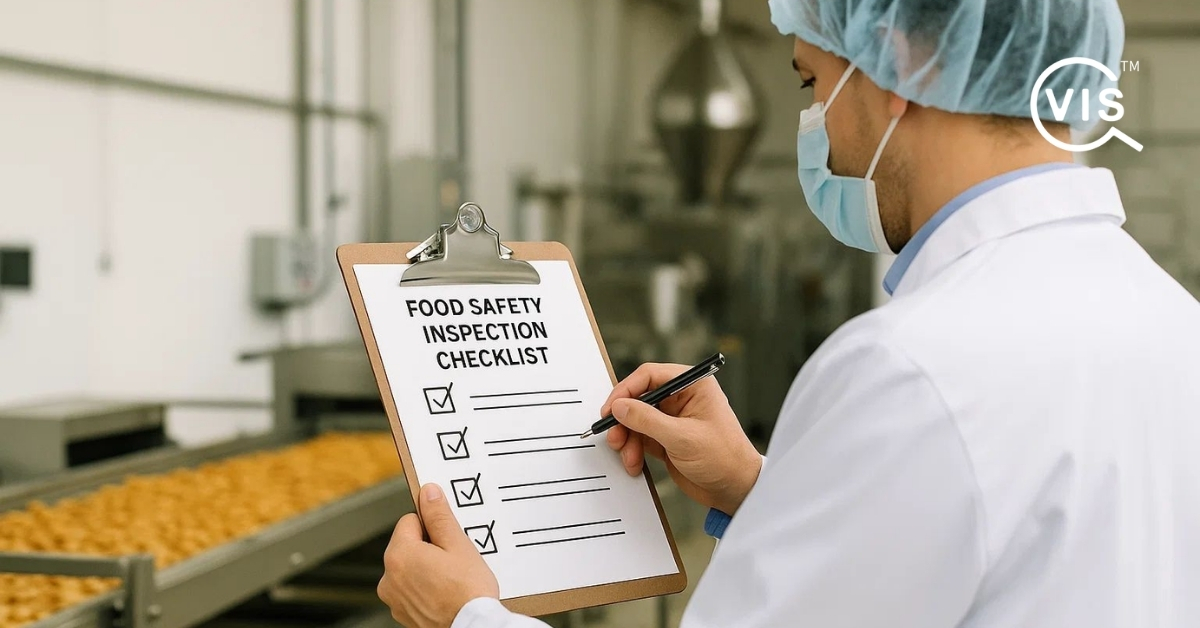
This starts with supplier selection. Not every supplier operates under the same safety standards, and a low price often reflects corners being cut somewhere—whether in storage conditions, handling practices, or sourcing transparency. Verifying supplier credentials, conducting facility audits, and requiring certificates of analysis for incoming materials are fundamental steps that too many buyers skip or treat as formalities. On-site audits that evaluate hygiene practices, storage conditions, pest control programs, and traceability systems help eliminate a huge category of downstream risk before production even begins.
Temperature Control Through the Entire Chain
Temperature abuse is one of the leading causes of foodborne illness, and it can happen at any point between production and final delivery. A cold chain break during transport, improper warehouse storage, or a loading delay on a hot dock can allow bacterial growth to reach dangerous levels in a matter of hours.
What makes temperature control particularly tricky is that the damage is invisible. A product that’s been temperature-abused may look, smell, and taste perfectly normal—until someone gets sick. By then, it’s too late for quality control to matter.
Effective food safety programs monitor temperature at every transfer point: production, packaging, warehousing, loading, transit, and receiving. Inspections that include temperature verification at the point of shipment provide buyers with documented evidence that the cold chain was intact when the product left the facility.
Packaging Integrity and Labeling Accuracy
Packaging does more than make a product look good on a shelf. In food safety, it’s the primary barrier between the product and the outside environment. A compromised seal, a punctured vacuum pack, or a damaged container can expose food to contamination, moisture, and oxygen—all of which accelerate spoilage and create safety hazards.
Labeling is equally critical. Incorrect allergen declarations, missing expiration dates, wrong storage instructions, or non-compliant nutritional information can create serious legal and health consequences. Regulations vary significantly between markets—what’s acceptable labeling in one country may violate requirements in another.
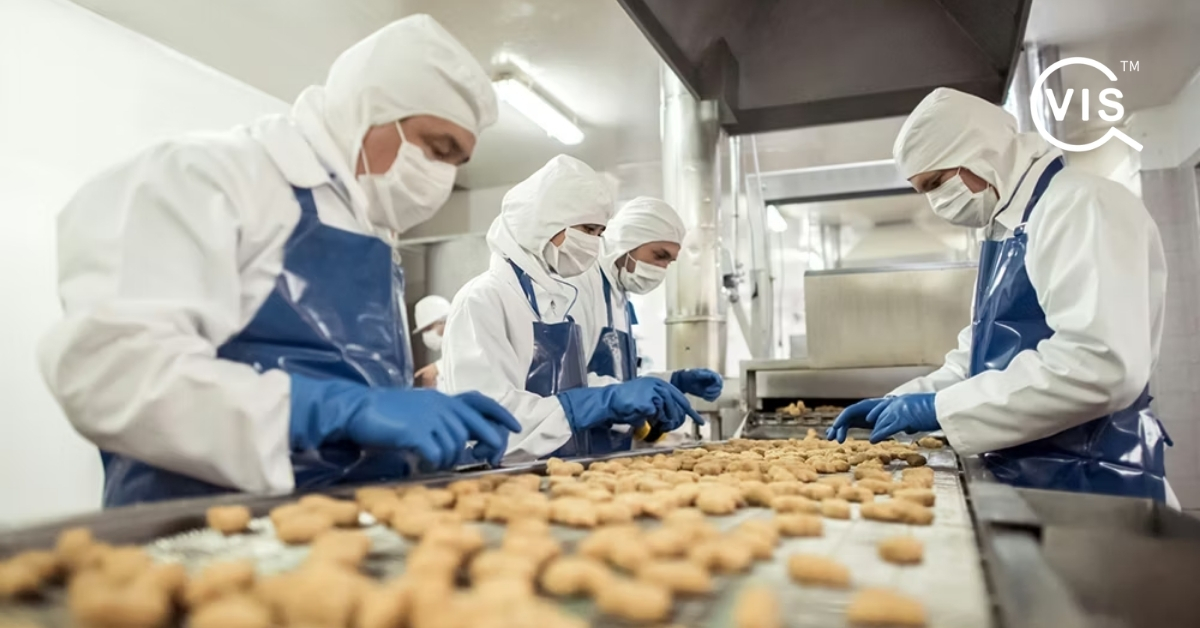
Food product inspections should check both packaging integrity and label accuracy against the buyer’s specifications and destination-market regulations. These are details that seem administrative until they trigger a customs hold or a consumer complaint.
Traceability: Knowing Where Everything Came From
Traceability is the ability to track a food product and its ingredients through every stage of the supply chain. When a safety issue surfaces, traceability determines how quickly you can identify the source, scope the problem, and execute a targeted recall. Without it, you’re forced into broader, more expensive responses that pull safe products off shelves alongside contaminated ones.
Strong traceability requires documentation at every handoff: lot numbers, production dates, supplier records, shipping manifests, and inspection reports. Buyers who invest in traceability aren’t just protecting against recalls—they’re building supply chain visibility that supports smarter decisions across the board.
Foreign Object Contamination
Physical contaminants—metal fragments, glass, plastic pieces, insects—are among the most common reasons for food product recalls globally. These hazards can enter at virtually any stage: harvesting, processing, packaging, or transport.
Prevention requires a layered approach. On the factory side, that means proper equipment maintenance, worker hygiene protocols, and detection systems. On the buyer side, it means verifying through inspection that these controls are actually in place and functioning—not just documented in a manual nobody follows.
Regulatory Compliance Across Markets
Food safety regulations aren’t universal. The FDA governs US imports with strict requirements under the Food Safety Modernization Act. The EU enforces its own standards through EFSA. Markets across Asia, the Middle East, and Latin America each have distinct requirements for testing, labeling, and permissible ingredients.
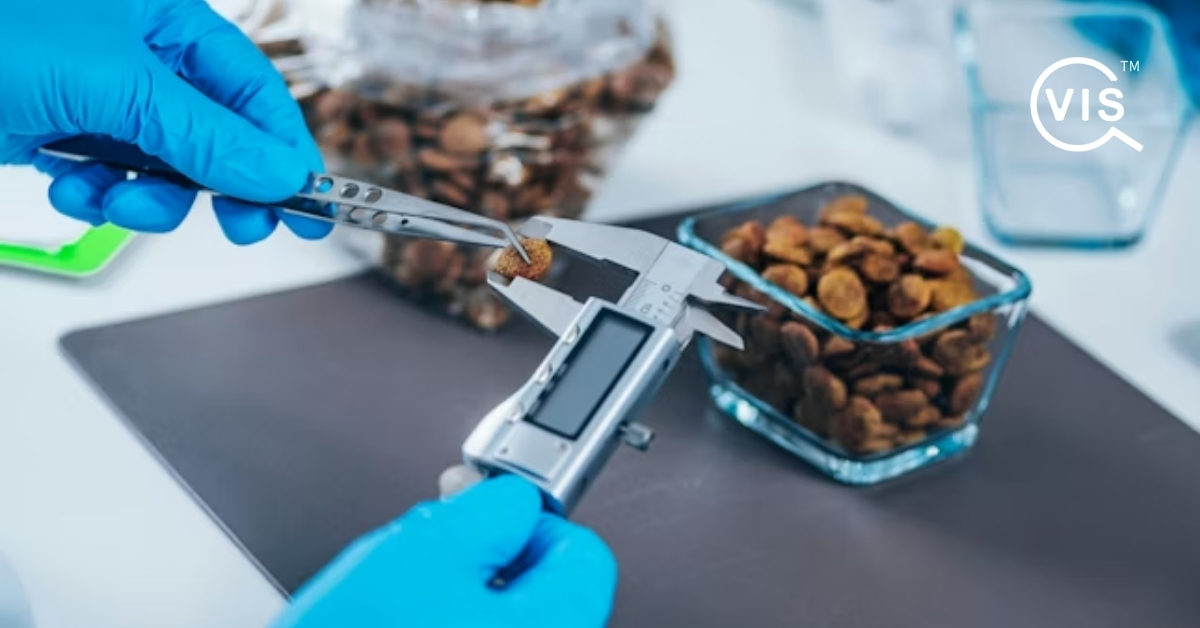
For buyers selling into multiple markets, managing these overlapping regulatory frameworks is a constant challenge. At Vis Global Quality Control, we help buyers align inspection protocols with the specific requirements of each target market, reducing the risk of non-compliance before goods leave the origin country.
A Proactive Approach Costs Less Than a Reactive One
Every aspect of food safety described above shares a common thread: the cost of prevention is a fraction of the cost of failure. A supplier audit costs far less than a contamination recall. A temperature check at loading costs far less than a rejected shipment at destination. A label review costs far less than a regulatory fine.
Vis Global Quality Control partners with food importers and brands to build inspection programs that address these risks proactively. From supplier audits and production monitoring to pre-shipment inspections and regulatory compliance checks, we provide the oversight your supply chain needs to keep food safe and your business protected.
Contact us today to discuss how we can support your food safety quality control needs.
