
 Info@visgl.com












Industries & Services
How Buyers Can Prevent Last-Minute Inspection Failures
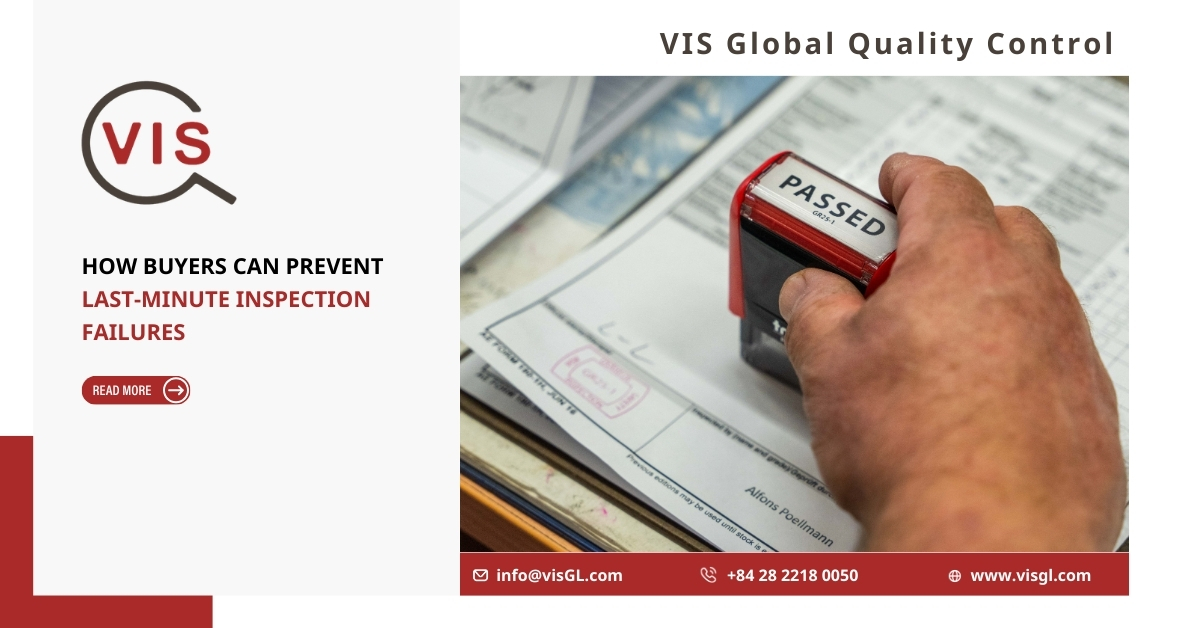
Nobody wants to hear that their shipment just failed its final inspection. After weeks of coordinating production timelines, managing supplier relationships, and preparing logistics, a failed inspection at the last stage can throw everything off track. Delayed deliveries, unexpected costs, and unhappy end customers are just a few of the consequences that follow.
At Vis Global Quality Control, we see this scenario play out far too often. The good news? Most last-minute inspection failures are entirely preventable. It comes down to being proactive, staying involved throughout production, and building a quality control strategy that catches problems early rather than at the finish line.
Why Do Last-Minute Inspection Failures Happen?
Before jumping into solutions, it helps to understand what actually goes wrong. The most common reasons for pre-shipment inspection failures tend to fall into a few familiar categories.
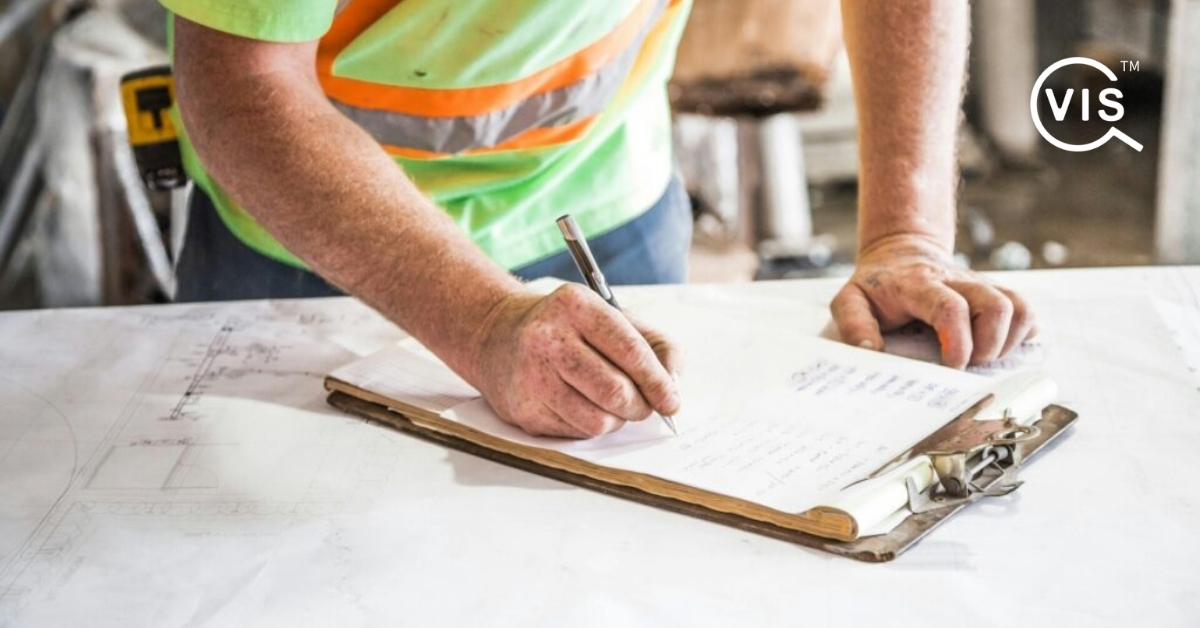
Poor-quality raw materials are one of the biggest culprits. If the inputs don’t meet standards, the finished product won’t either. Manufacturing process errors also play a significant role—inconsistent machinery settings, shortcuts during assembly, or simple human mistakes can all produce defects that only show up under close examination.
Then there’s miscommunication. When product specifications aren’t clearly documented and shared with the supplier, the factory may produce goods that look fine to them but fail to match the buyer’s actual requirements. We’ve seen orders rejected not because of workmanship problems, but because both sides were working from different versions of a spec sheet.
And finally, some buyers skip earlier inspections to save time or money. That decision often backfires when the final check reveals issues that could have been caught and corrected weeks earlier.
Start With Clear, Detailed Product Specifications
This is the foundation of everything else. If your specifications are vague or open to interpretation, you’re giving your supplier room to get things wrong—often without even realizing it.
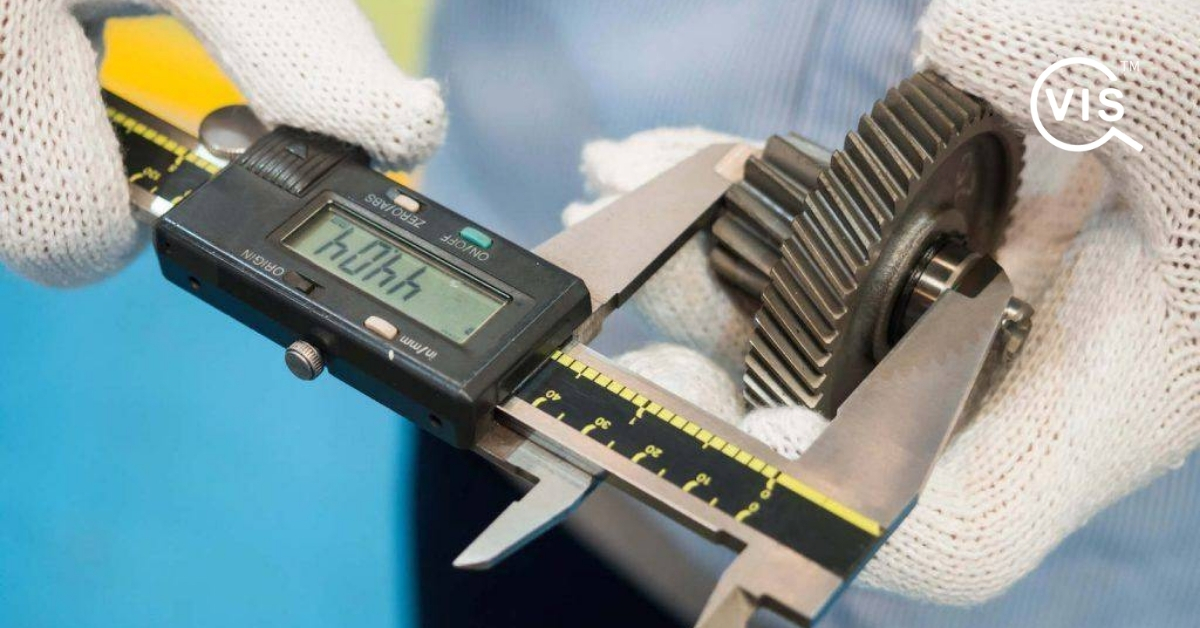
A strong spec should cover materials, dimensions, tolerances, color references, functional requirements, packaging, labeling, and any regulatory standards the product needs to meet. Don’t assume your supplier already knows what you expect. Put it in writing, share reference samples where possible, and confirm that the factory team understands every requirement before production begins.
At Vis Global Quality Control, we always encourage buyers to review specs with their supplier line by line before the first batch is produced. It takes extra effort upfront, but it eliminates a huge category of failures down the road.
Don’t Wait Until the End to Inspect
This is probably the single most impactful change a buyer can make. Relying solely on a final pre-shipment inspection means you’re only discovering problems after the entire order has been produced. At that point, your options are limited and expensive.
A smarter approach is to build inspections into multiple stages of production. A during-production inspection lets you evaluate quality when only a portion of the order is finished. If something is off, the factory still has time to correct course.
Catching a defect when 20% of production is complete is manageable. Catching the same defect at 100% is a crisis.
Vis Global Quality Control offers in-process inspection services designed for exactly this purpose. Our inspectors visit the factory floor while production is underway, giving you real-time visibility and the chance to intervene before small issues become costly ones.
Invest in Supplier Evaluation and Audits
Not all factories are created equal, and the cheapest quote doesn’t always lead to the best outcome. Before placing an order with a new supplier, investing in a factory audit helps you assess their production capabilities, quality management systems, and capacity to meet your timeline.
But the work doesn’t stop after the first audit. Staff turnover, equipment degradation, or shifts in a factory’s client base can all impact the quality they deliver over time. Periodic re-audits help you stay on top of these changes and maintain a consistent standard.
Communicate Early, Communicate Often
Buyers who rarely face inspection failures tend to share one habit: they stay in close contact with their suppliers throughout production. They check in regularly, ask for progress photos, and make themselves available to answer questions.
This ongoing dialogue prevents misunderstandings from snowballing into defects. If the supplier runs into an issue with materials, they’re more likely to raise it immediately with a buyer who’s actively engaged rather than trying to work around it silently.
Open communication also matters after a failure occurs. Rather than pointing fingers, the most effective approach is working collaboratively with the supplier on a Corrective and Preventive Action plan—documenting what went wrong, what’s being fixed, and how similar problems will be avoided on future orders.
Use Third-Party Inspection Services
Relying on your supplier’s own quality control team to flag problems with their own work is a conflict of interest. Factories have strong incentives to report that everything is fine, especially when they’re behind schedule or dealing with tight margins.
Third-party inspection services provide an independent, unbiased assessment of your products. A qualified inspector with no financial stake in the factory’s output will evaluate your goods against the agreed specifications and deliver an honest report—including the parts you might not want to hear.
Turn Every Failure Into an Improvement
Even with solid prevention strategies, occasional issues are a reality of global sourcing. What separates successful buyers from struggling ones is how they respond.

Every failed inspection is a source of useful data. Which defects appeared? At what production stage? Were they tied to materials, processes, or specifications? By analyzing this information over time, you refine your approach and make each order better than the last.
At Vis Global Quality Control, we don’t just hand you a pass or fail result. We help you interpret findings, spot patterns, and recommend practical steps to reduce risk on your next production run.
Protect Your Supply Chain Before Problems Start
Last-minute inspection failures are stressful, expensive, and almost always avoidable. The buyers who consistently receive quality shipments on time are the ones who invest in prevention—clear specifications, early-stage inspections, strong supplier relationships, and independent quality oversight.
If you’re looking to strengthen your quality control process, Vis Global Quality Control is here to help. Get in touch with us today to discuss how we can support your next order.
