
 Info@visgl.com













Inspection News
How Cultural Differences Affect Quality Control
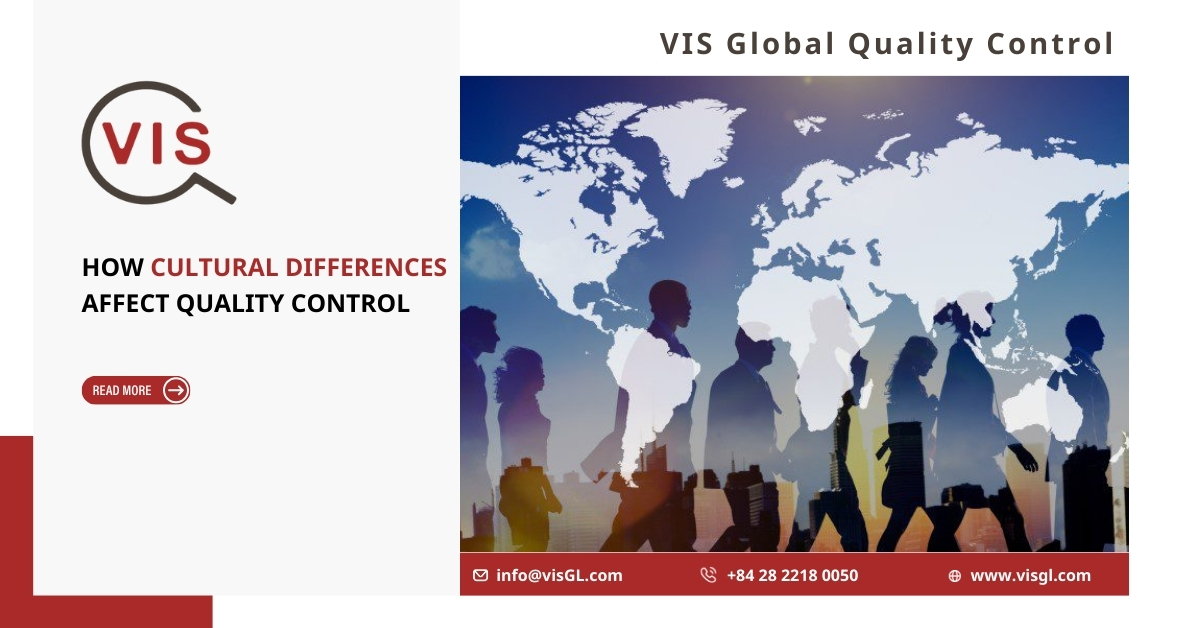
In today’s globalized supply chains, quality control is no longer defined solely by technical specifications or international standards. Cultural differences play a critical role in shaping how quality is perceived, evaluated, and enforced across different markets. For companies sourcing, manufacturing, or exporting products internationally, understanding these cultural influences is essential to achieving consistent and reliable quality outcomes.
At VIS Global Quality Control, we recognize that effective quality control goes beyond checklists and procedures. It requires cultural awareness, local insight, and adaptive inspection strategies that align global standards with regional expectations.
Quality Perception as a Cultural Concept
Quality is not a universal concept interpreted the same way across all countries. Cultural values influence what customers, suppliers, and manufacturers consider to be “acceptable” or “excellent” quality. In some markets, durability and functional reliability are the primary indicators of quality. In others, visual appearance, finishing details, branding, or innovation may carry greater weight.

These differences affect how products are designed, produced, and evaluated. A product that meets technical requirements may still be perceived as substandard if it does not align with local cultural expectations. As a result, quality control must account for both objective specifications and subjective cultural perceptions.
How Culture Shapes Quality Control Practices
Consumer Expectations and Market Standards
Cultural norms strongly influence consumer expectations. In cultures where precision and craftsmanship are highly valued, inspection processes tend to focus on tight tolerances and detailed workmanship. In contrast, markets that prioritize speed, cost efficiency, or innovation may accept minor variations as long as functionality and delivery timelines are maintained.
Quality control strategies must therefore be tailored to reflect the expectations of the target market while still maintaining compliance with international standards.
Communication Styles in Quality Management
Communication plays a crucial role in quality inspections and reporting. In high-context cultures, quality issues may be communicated indirectly, with an emphasis on maintaining relationships and avoiding confrontation. Inspectors may need to read between the lines and rely on contextual cues rather than explicit statements.
In low-context cultures, quality feedback is typically direct, detailed, and data-driven. Inspection reports are expected to clearly outline defects, root causes, and corrective actions. Misalignment in communication styles can lead to misunderstandings, delayed corrective actions, or repeated quality issues.
Decision-Making and Authority Structures
Cultural attitudes toward hierarchy and authority also influence quality control implementation. In highly hierarchical environments, quality decisions are often centralized, and frontline staff may hesitate to report issues without approval. This can delay problem identification and resolution.

In more collaborative cultures, employees are encouraged to participate in quality improvement initiatives and openly discuss defects or process gaps. Understanding these dynamics allows inspection teams to adapt their approach and ensure accurate, timely reporting.
Cultural Impact on Quality Control Performance
Cultural differences directly affect how quality management systems perform in practice. Standardized quality frameworks may not deliver the same results across all regions if they conflict with local work habits, communication norms, or management styles.
For example, continuous improvement programs rely heavily on employee engagement and transparency. In some cultures, these concepts align naturally with existing workplace values. In others, they may require additional training, trust-building, and cultural adaptation to be effective.
Without cultural alignment, even well-designed quality control systems can fail to achieve their intended outcomes.

Best Practices for Cross-Cultural Quality Control
To manage quality effectively across borders, businesses should adopt a culturally informed inspection strategy:
- Localized Inspection Criteria: Align inspection focus areas with local market expectations while maintaining global compliance standards.
- Culturally Aware Reporting: Adapt inspection reports and communication styles to match local business norms and decision-making processes.
- Cross-Cultural Training: Equip quality inspectors and project managers with cultural awareness to improve accuracy and collaboration.
- Local Expertise Integration: Work closely with local suppliers, factories, and representatives to bridge cultural gaps in quality interpretation.
- Flexible Quality Frameworks: Use standardized systems with built-in flexibility to accommodate cultural variations without compromising core quality objectives.
Conclusion
Cultural differences have a profound impact on how quality is defined, controlled, and sustained across international markets. Ignoring these differences can lead to misaligned expectations, recurring quality issues, and weakened supplier relationships.
By integrating cultural awareness into inspection and quality control processes, businesses can achieve more consistent results, stronger partnerships, and higher customer satisfaction. With deep regional knowledge and global inspection expertise, VIS Global Quality Control helps companies navigate cultural complexities and maintain high-quality standards across diverse markets.
