
 Info@visgl.com













Inspection News
How Inspection Reports Help Buyers Make Better Decisions
When you’re sourcing products from overseas factories, there’s a lot you can’t see for yourself. You’re trusting that the materials are right, the workmanship holds up, and the finished goods match what you ordered. That’s a big leap of faith—especially when thousands of dollars and your brand’s reputation are on the line.
This is exactly where inspection reports earn their keep. A well-structured report doesn’t just tell you whether a shipment passed or failed. It gives you the information you need to make smart, confident decisions at every stage of production.
At Vis Global Quality Control, we believe the real value of an inspection report goes far beyond a simple verdict. Here’s how these reports help buyers protect their business and get better results from their supply chain.
Seeing What You Can’t See From a Distance
Most buyers never set foot in the factories producing their goods. An inspection report bridges that gap by putting eyes on the ground when you can’t be there yourself.
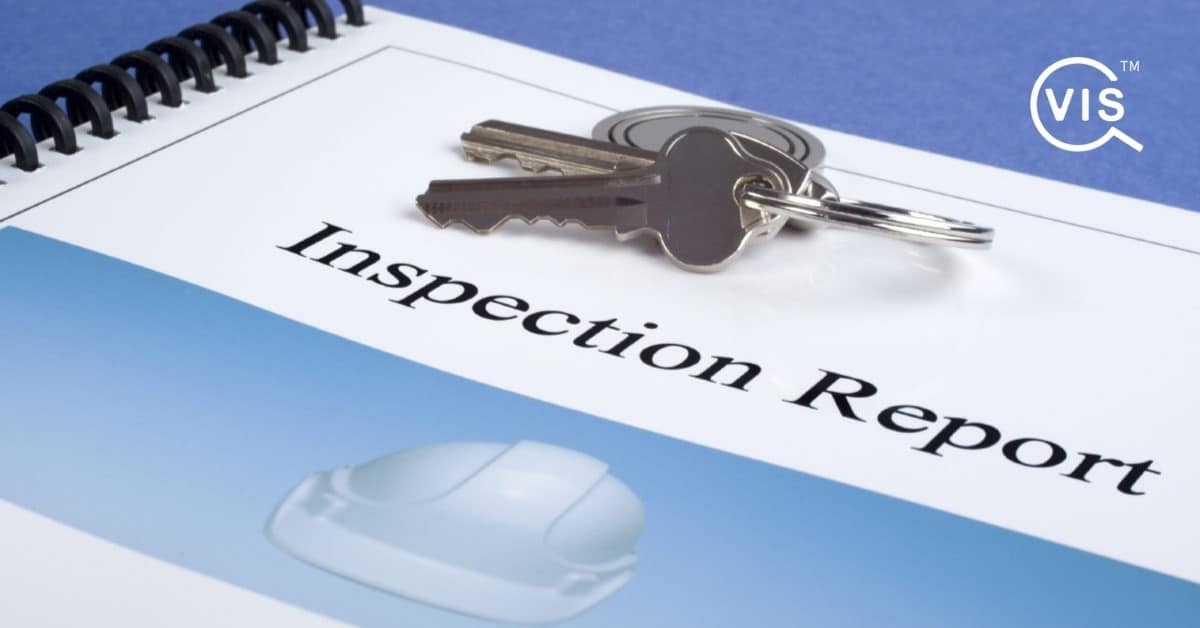
A thorough report documents product condition through photos, measurements, test results, and defect classifications. It captures what’s happening on the factory floor in real time—details that a supplier’s verbal reassurance simply can’t replace.
Problems in manufacturing tend to be silent. A slightly off-spec material, a recurring assembly error, or inconsistent packaging won’t announce themselves. They show up in the data and in the photos of a proper inspection report. Without that documentation, you’re essentially flying blind.
Moving From Guesswork to Evidence-Based Decisions
One of the biggest challenges buyers face is making decisions under uncertainty. Should you approve this shipment? Is the quality good enough? Can you trust this supplier for the next order?
An inspection report replaces gut feelings with evidence. When you can see that the defect rate is 1.2% against an AQL limit of 2.5%, you know the shipment is within acceptable range. When photos show consistent stitching, accurate labeling, and intact packaging, you can approve with confidence. And when defect counts spike or critical issues appear, you have the facts to justify a hold, a rework request, or a rejection.
At Vis Global Quality Control, our reports are designed to give you decision-ready information. We present clear data, classified by defect severity, supported by visual evidence, so you can act quickly and decisively.
Strengthening Your Position With Suppliers
There’s a dynamic in buyer-supplier relationships that doesn’t get talked about enough: information asymmetry. Your supplier knows far more about what’s happening in their factory than you do. That imbalance can work against you when quality issues arise and the factory downplays them.
A detailed inspection report levels the playing field. When you share documented findings—complete with photos, measurements, and defect data—the conversation shifts from opinion to fact. The supplier can’t easily dismiss a concern when you’re pointing to photographic evidence from an independent inspector.
Over time, this transparency changes supplier behavior too. Factories that know their output will be checked by a third party tend to maintain higher standards throughout production, not just when an inspector is expected.
Catching Problems Before They Become Expensive
The timing of an inspection report matters just as much as its content. A report from a during-production inspection gives you the chance to catch issues when only a fraction of the order is finished. Corrections at that stage are relatively simple—the factory can adjust processes, replace materials, or rework a small number of units without major disruption.
Compare that to a report after the entire order is complete. If serious defects show up at the pre-shipment stage, your options narrow dramatically. Rework takes time you may not have. Rejecting the shipment means starting over. Accepting substandard goods puts your customers and reputation at risk.
The buyers who get the most value from inspection reports use them at multiple stages—not just as a final gate, but as a continuous source of intelligence throughout production.
Building a Quality Record Over Time
Individual reports are useful. A collection of them across multiple orders becomes something even more powerful: a quality history.
When you accumulate reports over time, patterns emerge. Maybe a supplier consistently struggles with packaging but nails the product specs. Maybe defect rates rise during peak production months. Maybe a specific product line always has more issues than others.
These patterns help you allocate inspection resources more effectively, set realistic expectations with suppliers, and decide which relationships are worth investing in long-term. At Vis Global Quality Control, we help clients track inspection data across orders so that every report contributes to a bigger, more actionable picture.
What a Good Report Should Include
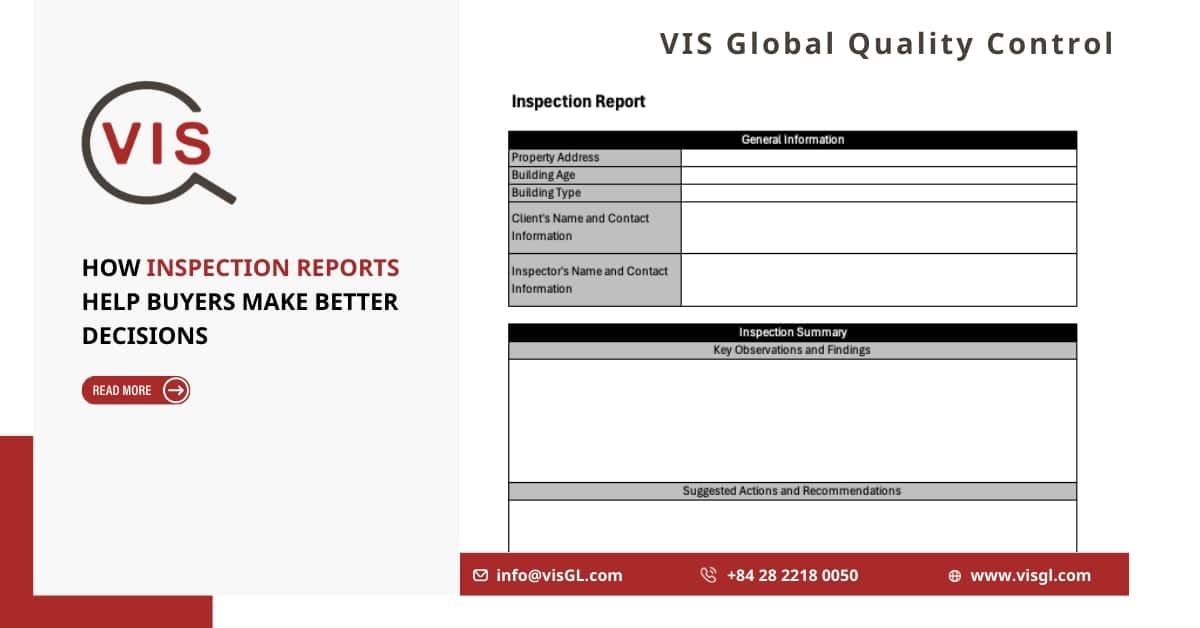
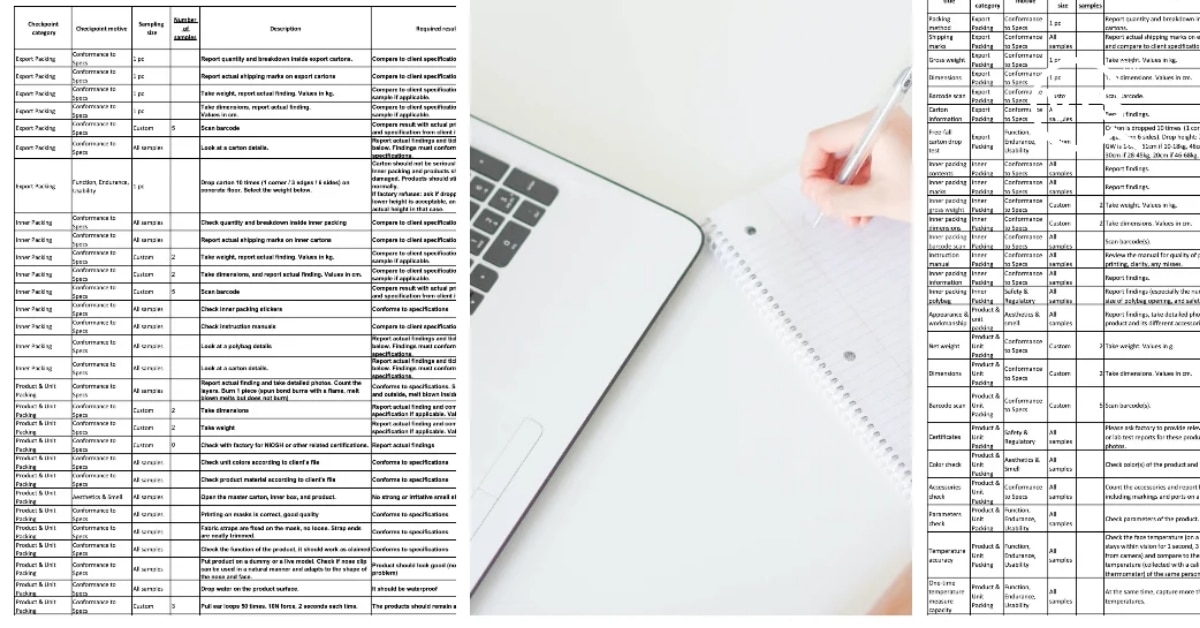
Not all reports are created equal. A useful inspection report should cover quantity verification, workmanship evaluation, specifications compliance, functional testing where applicable, packaging and labeling checks, and a defect summary organized by severity—critical, major, and minor.
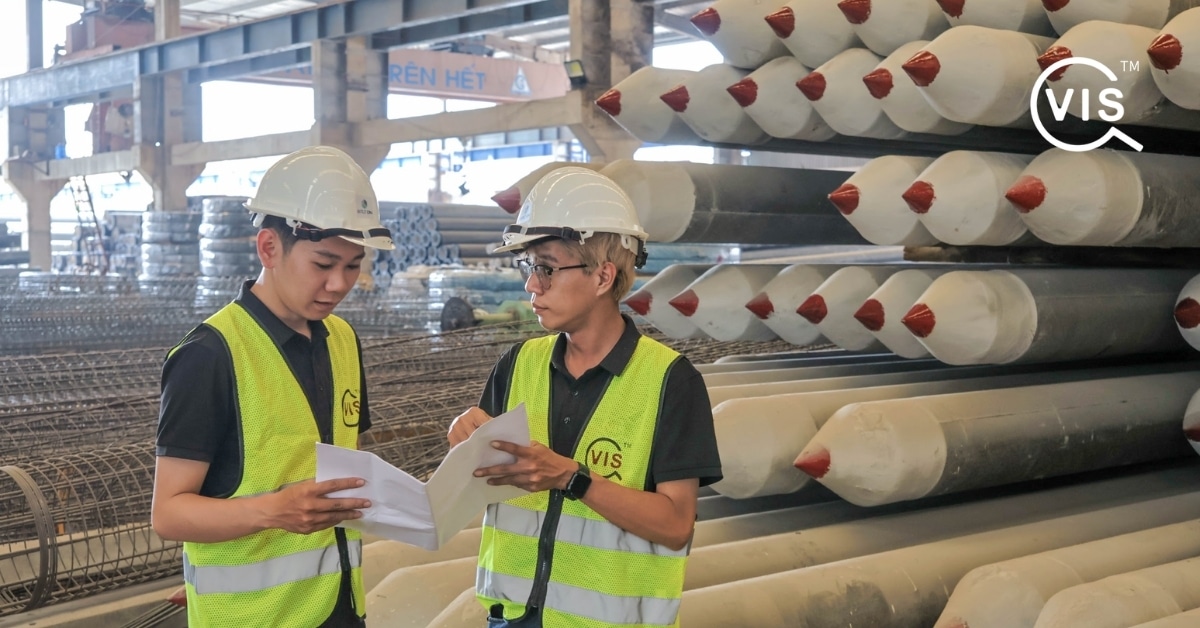
It should also include photographic evidence for every significant finding, not just defects. Seeing what’s right confirms the supplier is meeting standards across the board, which is just as valuable as spotting what’s wrong.
Better Information, Better Outcomes
At its core, an inspection report is a decision-making tool. It doesn’t make the decision for you—but it gives you what you need to make the right one. Whether you’re approving a shipment, negotiating with a supplier, or evaluating a new factory, the quality of your decisions depends on the quality of your information.
Vis Global Quality Control delivers reports that are clear, thorough, and built for action. If you want better visibility into your supply chain and more confidence in every sourcing decision, contact us today.
