
 Info@visgl.com













Inspection News
How Often Should You Inspect Your Suppliers?
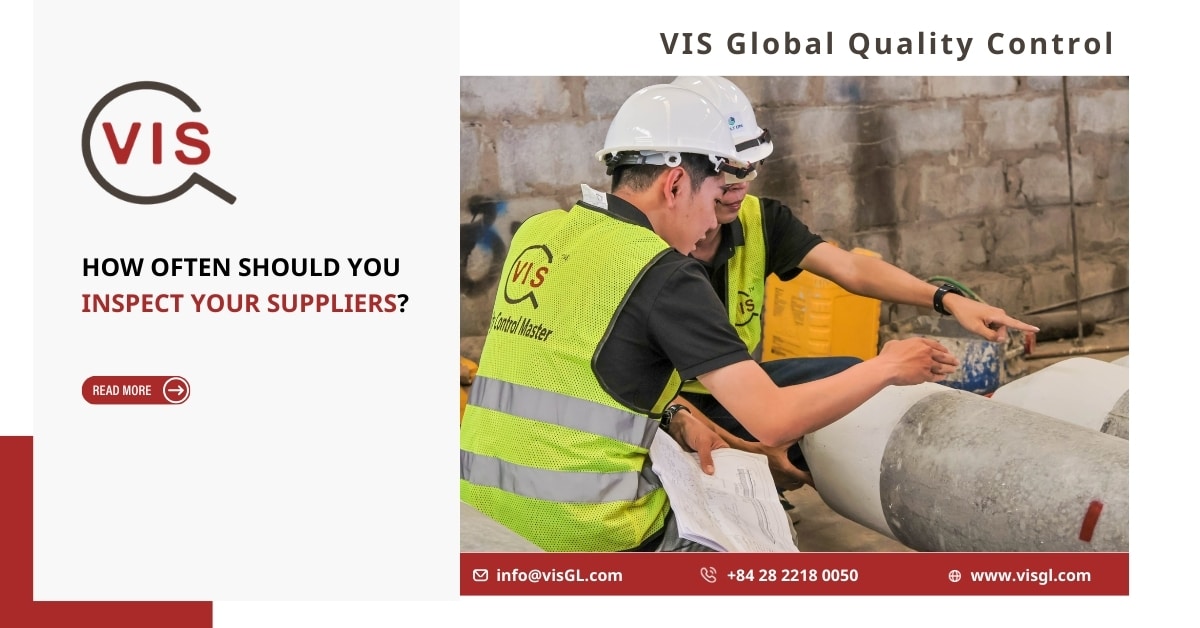
It’s one of the most common questions buyers ask when they start taking quality control seriously: how often should we actually be inspecting our suppliers? The honest answer is that it depends—but not in a vague, unhelpful way. It depends on factors you can measure, assess, and act on.
There’s no magic number that works for every buyer. What works is a thoughtful approach that matches your inspection frequency to the actual risk each supplier represents. At Vis Global Quality Control, we help buyers build exactly that kind of strategy.
Why a Fixed Schedule Doesn’t Work
A lot of companies default to inspecting every supplier on the same cycle—once a year, once a quarter, or once per order. It feels organized, but it’s not efficient. You end up spending the same resources on a factory that consistently delivers flawless goods as on one that’s failed three inspections in a row.
The smarter approach is matching your inspection efforts to the level of risk each supplier actually presents. A well-performing factory with a stable process and long track record doesn’t need the same scrutiny as a new supplier you’ve never worked with. Treating them the same wastes resources on one end and likely undercovers risk on the other.

Start With Risk, Not the Calendar
Instead of asking “how often,” start by asking “how risky is this supplier?” Several factors should shape that assessment.
Product criticality matters. A supplier producing safety-critical components carries a different risk profile than one making decorative accessories. Higher stakes mean more frequent inspections.
Supplier track record tells you a lot. A factory with years of clean results has earned a degree of trust. A new supplier, or one with a history of quality issues, warrants closer attention until they prove consistency.
Order size and frequency play a role. Large or recurring orders mean greater financial exposure from a quality failure. Higher-volume relationships generally justify more frequent checks.
Geography and market conditions factor in too. Suppliers in regions where quality infrastructure is less developed may need more regular oversight regardless of individual performance.
A Practical Framework for Inspection Frequency
Think of inspection frequency along a spectrum driven by supplier risk and performance.
For new suppliers, the first few orders should always include comprehensive inspections—pre-production checks, during-production inspections, and final pre-shipment evaluations. This onboarding phase is not the place to cut corners. You’re establishing a baseline understanding of whether the factory can meet your standards.
For established suppliers with strong track records, you can be more selective. You might inspect one out of every two or three orders, or focus on higher-risk product lines while skipping routine items that have consistently passed. Some buyers shift to periodic audits combined with spot-check inspections rather than covering every shipment.
For underperforming suppliers, the answer is straightforward: inspect more, not less. If a factory has recently failed an inspection or required rework, increase frequency until problems are resolved and sustained improvement is demonstrated. If performance doesn’t improve, it may be time to reconsider the relationship.
Use Performance Data to Adjust Over Time
The best inspection programs aren’t static. They evolve based on real data. Every inspection report generates useful information—defect rates, types of issues found, response times to corrective actions, and trends across multiple orders.
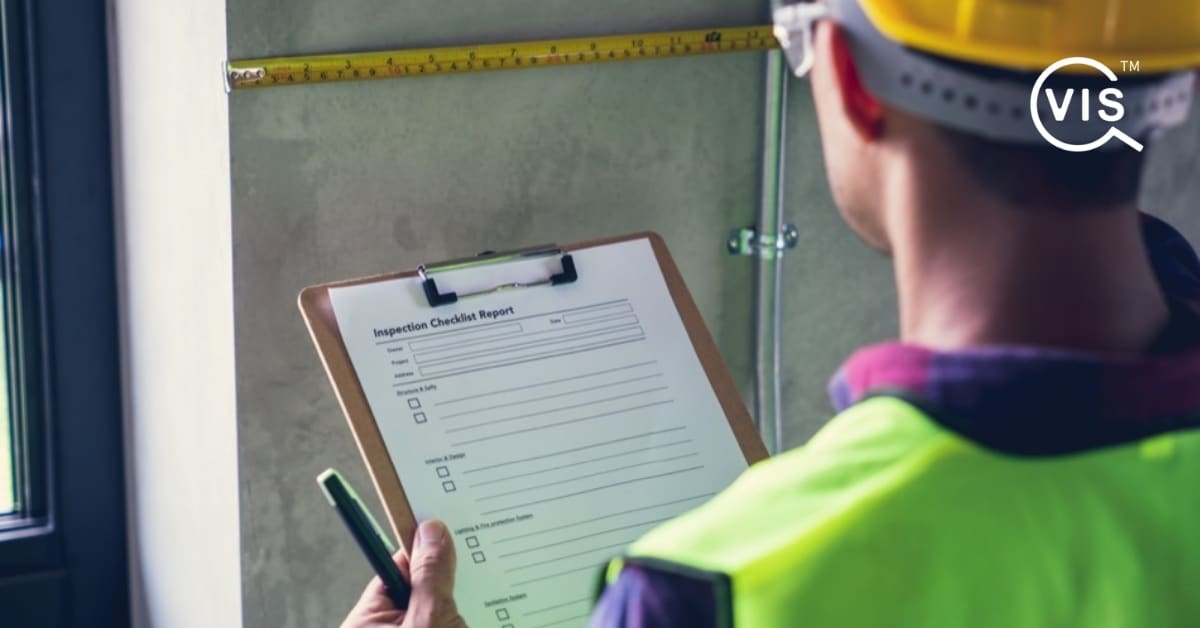
At Vis Global Quality Control, we encourage buyers to track this data across suppliers over time. When a supplier’s defect rate trends downward and corrective actions are implemented effectively, that’s a signal you can safely reduce inspection frequency. When the numbers move the other direction, it’s time to step up oversight before a small problem becomes a major one.
This data-driven approach also helps justify your inspection budget internally. Instead of spending evenly across all suppliers, you’re directing resources where they’ll have the greatest impact.
Don’t Confuse Supplier Visits With Inspections
One distinction worth making: visiting your supplier and inspecting your supplier are two different things. A factory visit—meeting management, touring the floor, building the relationship—has real value. But a visit alone doesn’t tell you much about what’s actually happening with your products.
Factories prepare for visits. They show you what they want you to see. A professional inspection evaluates your specific goods against your specific standards using standardized methods. Both have their place, but one doesn’t substitute for the other.
When to Bring in a Third Party
If you’re managing multiple suppliers across different regions and product categories, maintaining the right inspection rhythm in-house gets complicated fast. That’s where a third-party quality control partner adds the most value.
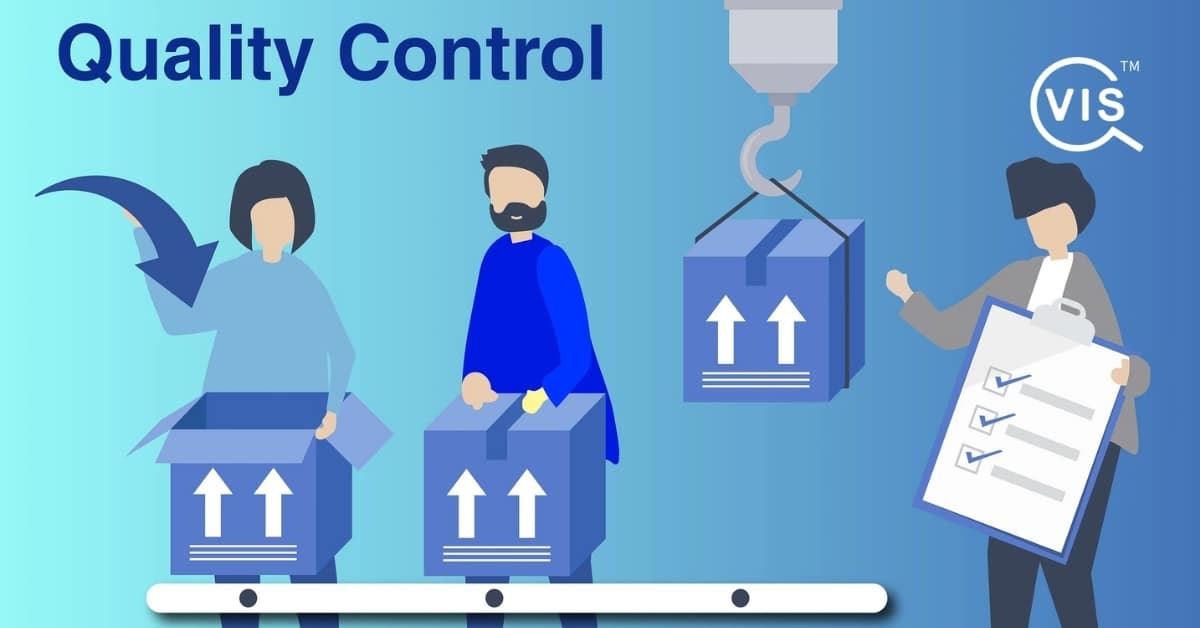
An independent provider can scale based on your needs, deploy inspectors near your suppliers, and bring an unbiased perspective that your supplier’s own QC team can’t offer. They also bring consistency—applying the same standards across your entire supply base regardless of which factory is being checked.
Vis Global Quality Control works with buyers to design inspection programs that flex with their supply chain. Whether you need full coverage on every order from a new supplier or periodic spot checks on a trusted partner, we tailor the approach to fit your risk profile.
The Bottom Line
There’s no one-size-fits-all answer to how often you should inspect your suppliers. But the right answer for your business starts with understanding the risk each supplier carries, tracking their performance over time, and adjusting your approach as conditions change.
The buyers who get quality right aren’t the ones who inspect the most. They’re the ones who inspect smart. Contact Vis Global Quality Control today to build an inspection strategy that fits your supply chain.
