
 Info@visgl.com












Inspection News
How to Prepare for a Product Inspection as a Buyer
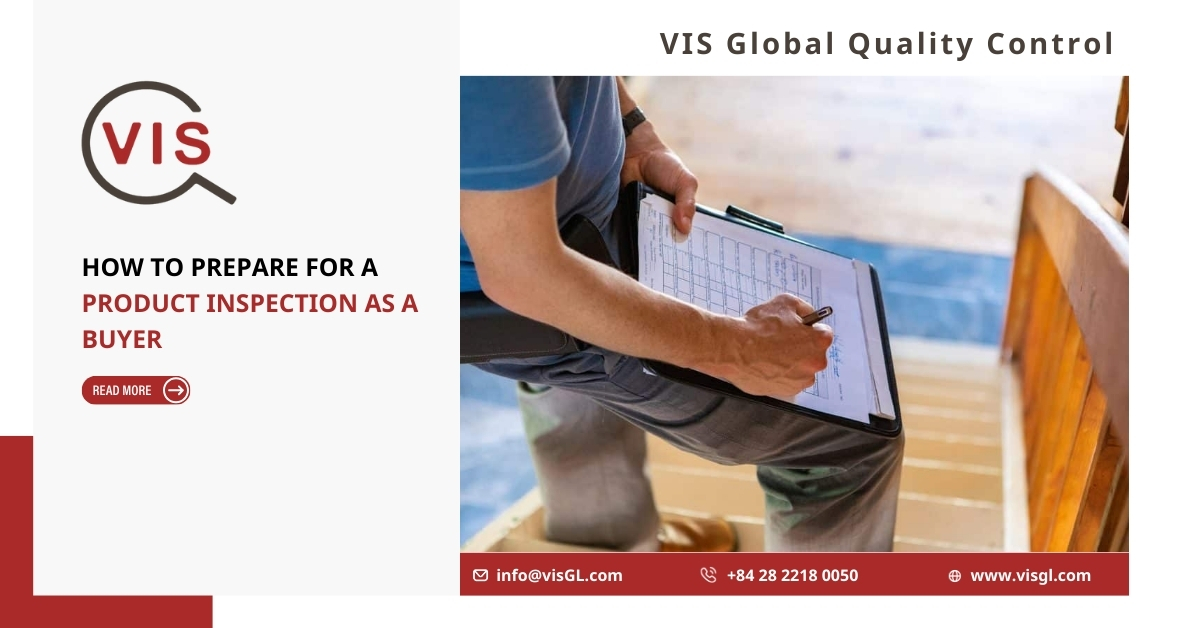
Product inspection is one of the most critical checkpoints in global sourcing. For buyers, it is the last opportunity to verify product quality, compliance, and shipment readiness before goods leave the factory. Yet many inspections fail to deliver real value—not because of poor execution, but because buyers are underprepared.
At VIS Global Quality Control, we see this pattern repeatedly: unclear expectations lead to unclear inspection results. Proper preparation transforms inspection from a simple quality check into a powerful risk-management tool.
Here’s how buyers can prepare effectively.
Define Clear Quality Expectations From the Start
Before booking an inspection, buyers must establish what “acceptable” truly means. This includes product specifications, workmanship standards, functional requirements, and packaging details.
Vague instructions such as “same as previous order” create room for interpretation. Instead, buyers should provide measurable criteria that inspectors can apply consistently. When expectations are clear, inspection outcomes become actionable—not subjective.
Approve a Reference Sample
An approved golden sample is the foundation of every successful inspection. It serves as the physical benchmark against which production units are evaluated.
Without a reference sample, inspectors can only compare products against written specifications, which often leaves gray areas. With a sample in place, defects become objective, discussions with suppliers become easier, and inspection decisions become faster.
Prepare a Product-Specific QC Checklist
A strong QC checklist reflects real product risks—not generic templates.
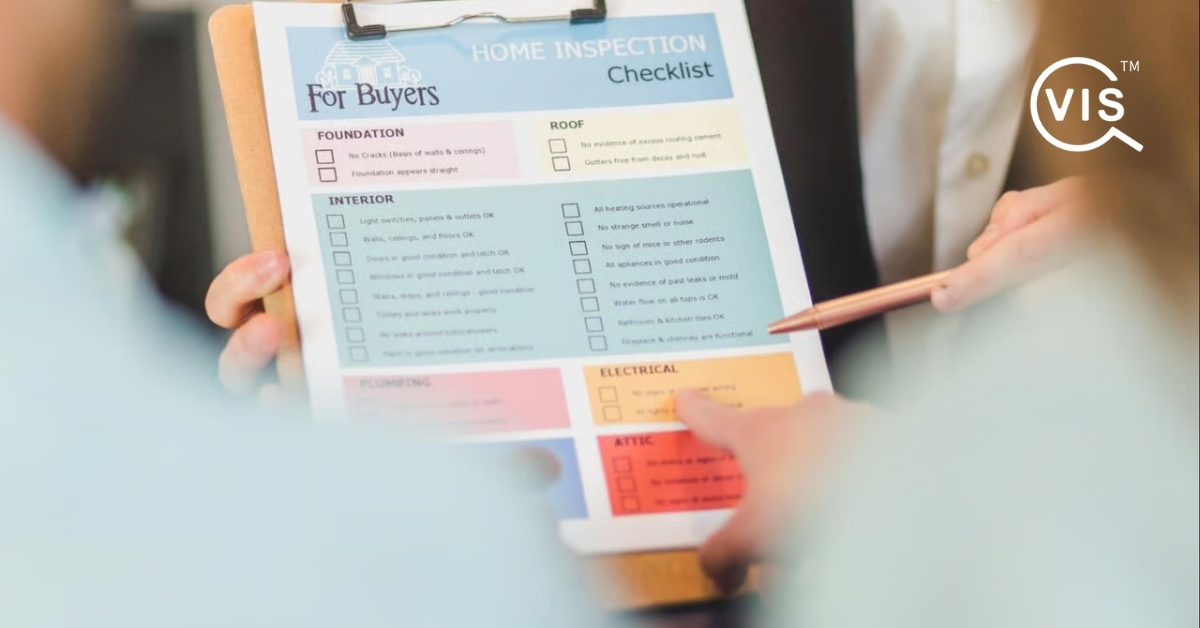
Buyers should outline key inspection points such as dimensions, materials, workmanship, functionality, labeling, and packaging. Defect categories (critical, major, minor) should also be defined in advance so inspection results clearly support pass-or-fail decisions.
This checklist becomes the inspector’s roadmap on-site and ensures consistency across different factories and orders.
Confirm Production Readiness Before Inspection
An inspection only provides meaningful results if the goods are genuinely ready.
Buyers should confirm that production is completed and that a sufficient percentage of products are packed before the inspector arrives. Inspecting unfinished orders leads to misleading conclusions and often requires costly re-inspections.
Verification of production quantity and packing status is an essential first step during any professional inspection.
Agree on Sampling and Acceptance Criteria
Most inspections rely on sampling rather than checking every unit. Buyers must decide in advance whether to use standard AQL sampling or a customized plan based on product risk and supplier performance.
Equally important is defining acceptance limits. Without agreed thresholds, inspection reports become informational only—unable to support shipment release decisions.
Clear sampling rules ensure fairness, efficiency, and consistent quality control.
Align With the Factory Before the Visit
Inspection success depends heavily on factory cooperation.
Buyers should formally introduce the inspection partner to the supplier, confirm inspection schedules, and ensure access to cartons, samples, and production areas. Preparing the factory in advance prevents delays and allows inspectors to focus on quality rather than logistics.
Understand What Happens During Inspection
Once samples are selected, inspectors typically review packaging, appearance, measurements, and functionality based on buyer requirements.
Packaging checks confirm labeling accuracy, carton quality, and compliance markings. Visual inspections focus on workmanship and cosmetic defects. Functional testing verifies basic performance and usability. All findings are documented with photos and detailed observations.
This structured process provides buyers with a realistic picture of shipment quality.
Decide in Advance How to Handle Findings
Buyers should establish their response strategy before inspection results arrive.
Whether the outcome is approval, conditional release, rework, or rejection, having predefined decision rules speeds up supplier communication and corrective actions. Professional inspections often include on-site feedback to factories so issues can be addressed immediately.
Use the Report as a Management Tool
A good inspection report does more than list defects. It summarizes production status, sampling details, defect classifications, measurements, and packaging results—giving buyers the information they need to make fast, confident decisions.
The real value comes after delivery: using the report to guide corrective actions, improve future orders, and strengthen supplier accountability.

Final Thoughts
Preparation determines inspection success.
When buyers provide clear specifications, approved samples, structured checklists, and defined acceptance criteria, inspections become precise, efficient, and commercially meaningful.
At VIS Global Quality Control, we help buyers transform inspections into proactive quality control—protecting their supply chain, brand reputation, and end customers across Asia.
Proper preparation isn’t extra work. It’s how smart buyers stay in control.
