
 Info@visgl.com











Inspection News
Initial Production Check: A Critical Foundation for Effective Manufacturing Quality Control
The Initial Production Check (IPC) is a vital quality control procedure when sourcing products from overseas. By confirming that production is progressing correctly from the outset – and that materials, equipment, and manufacturing processes comply with approved specifications – businesses can effectively prevent costly errors, production delays, and compliance risks.
When sourcing products internationally, especially from manufacturing hubs such as China, ensuring that products meet defined quality standards and technical requirements is essential for long-term business success. One of the most important steps in achieving this is the Initial Production Check (IPC). Conducting an IPC at the early stage of manufacturing enables potential issues to be identified promptly and ensures that production proceeds in strict accordance with buyer requirements. In this article, VIS Global Quality Control explains the importance of the Initial Production Check, how it is conducted, and why it should be an integral part of your quality control strategy.
What Is an Initial Production Check (IPC)?
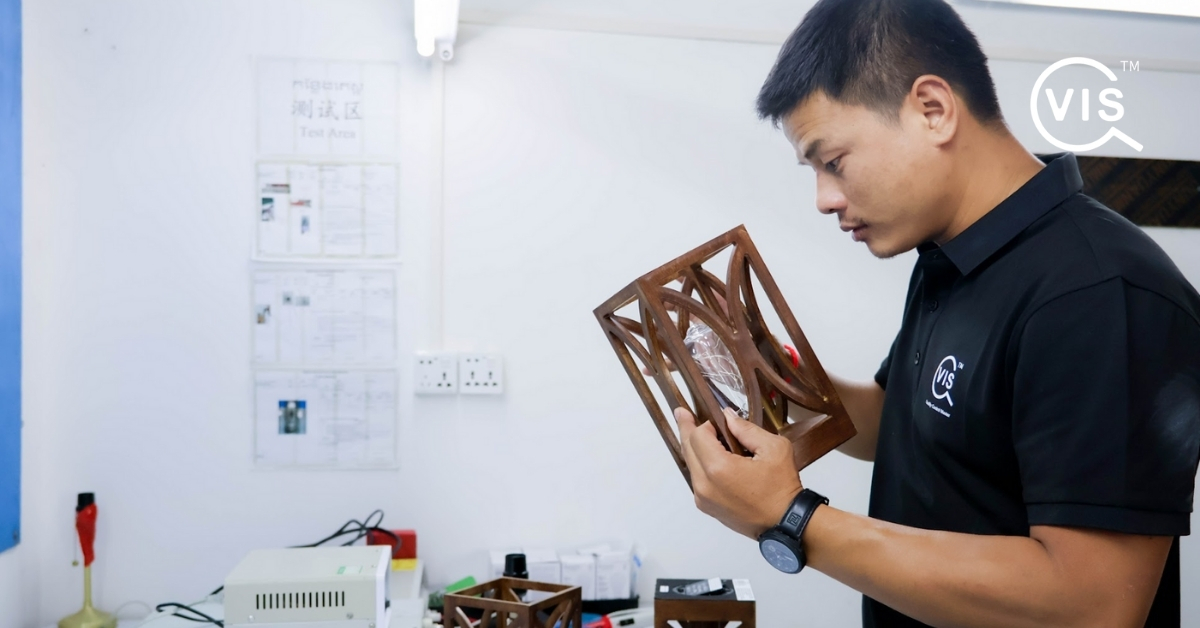
An Initial Production Check (IPC) is a quality inspection performed at the beginning phase of the manufacturing process. It is typically conducted once a significant portion of raw materials or components has been prepared and production has commenced, but before mass production reaches full capacity. The objective of the IPC is to verify that manufacturing is proceeding as planned and that product specifications, materials, and production methods meet the buyer’s expectations.
The IPC focuses on ensuring that the initial production stages comply with agreed standards and that the factory is equipped with the appropriate resources, tools, and skilled personnel to fulfill the order successfully. By conducting an IPC, companies can significantly reduce the risk of delays, defects, and other issues that may arise during large-scale production.
Why Is the Initial Production Check Important?
Verify Production Readiness
The IPC helps determine whether the manufacturer is fully prepared to produce at scale. Inspectors evaluate whether the factory has the correct materials, equipment, and resources required to meet the buyer’s specifications. Any shortcomings or inconsistencies identified at this stage can be corrected early, allowing for smoother production later.
Identify Early Production Issues
Detecting problems at an early stage is critical to preventing defects, production interruptions, or non-compliance. The IPC confirms that the first units produced meet quality requirements and ensures that any potential issues – such as design inconsistencies, material defects, or equipment malfunctions – are addressed without delay.
Ensure Compliance with Specifications
Through the IPC, inspectors verify that raw materials, components, and manufacturing processes are fully aligned with the approved product specifications. This early verification increases confidence that the final products will meet the required quality standards.
Improve Supplier Accountability
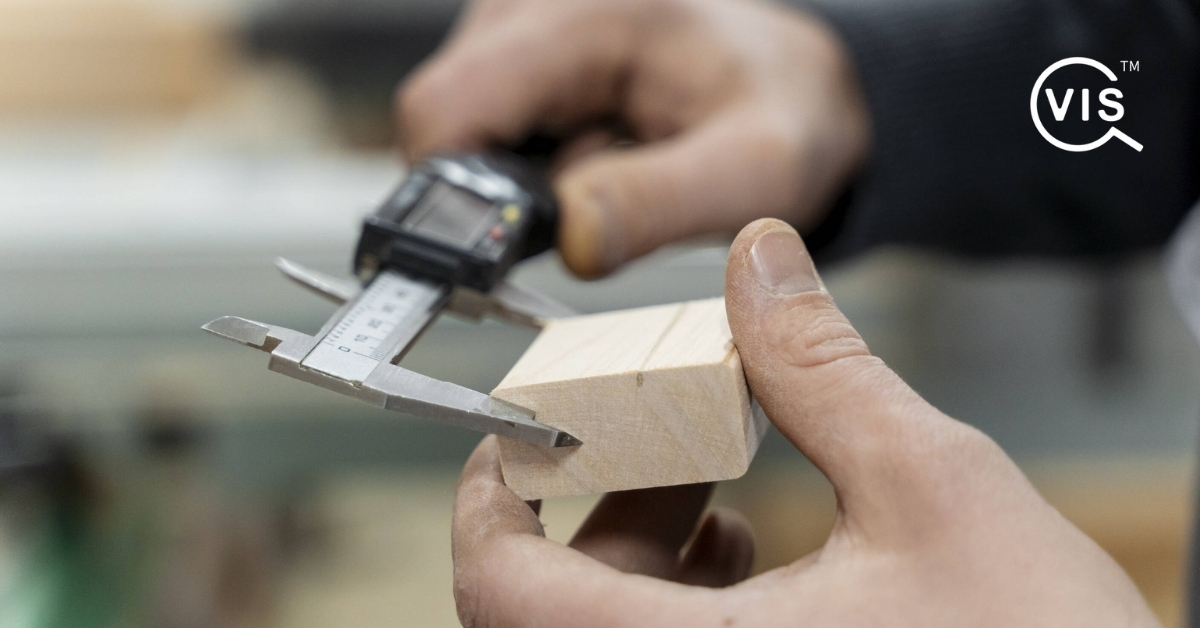
Conducting an IPC establishes accountability from the very beginning of production. If discrepancies or issues are identified, they can be resolved before the factory advances further into mass production. This approach promotes transparency and helps build a more reliable and professional relationship between buyers and suppliers.
How Does an Initial Production Check Work?
The Initial Production Check process generally includes the following key steps:
Pre-Inspection Planning
Before the inspection, the buyer and inspection provider define the scope and criteria of the IPC. This includes identifying which materials will be inspected, which production processes will be reviewed, and which product specifications must be verified.
On-Site Evaluation
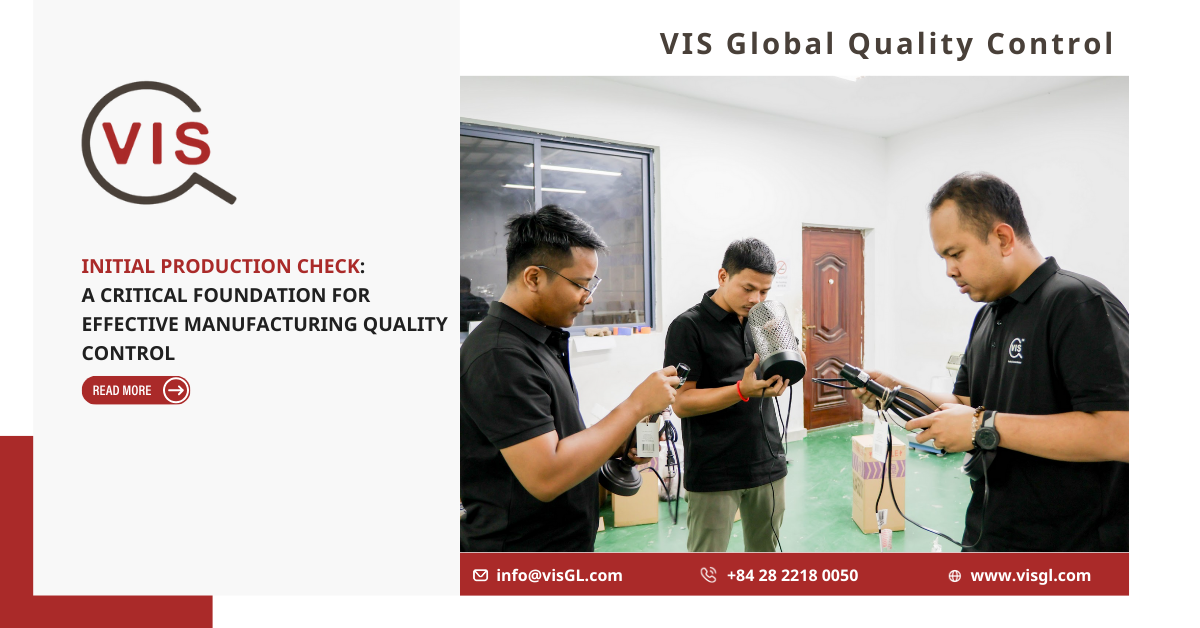
An inspector visits the factory during the early production stage to assess critical aspects of manufacturing, including:
- Raw Materials: Confirming that materials used match the approved specifications
- Production Equipment: Ensuring machinery and tools are suitable, functional, and properly maintained
- Sample Products: Inspecting initial samples to verify quality, functionality, and design accuracy
- Factory Setup: Assessing production capacity, staffing, and readiness for mass production
Product and Process Inspection
Inspectors also review the production workflow, verifying manufacturing methods, identifying any defects in early samples, and confirming that the production line operates efficiently and consistently.
Reporting and Recommendations
Following the inspection, VIS Global Quality Control provides a comprehensive report detailing findings, identified issues, and recommended corrective actions where necessary. The report may include photographic evidence and clear guidance for improvement.
Supplier Feedback and Follow-Up
Based on the IPC results, buyers communicate directly with suppliers to resolve any concerns. If issues are found, corrective actions can be implemented immediately, ensuring alignment with required standards before mass production proceeds.
Key Benefits of the Initial Production Check

Prevents Costly Errors
By identifying issues early, the IPC helps prevent expensive problems later in production, such as rejected shipments, rework costs, or delivery delays.
Improves Product Consistency
Ensuring that production is correctly set up from the beginning helps maintain consistent quality across all units, ensuring compliance with approved specifications.
Ensures Timely Production
The IPC allows potential bottlenecks or issues to be addressed before they disrupt the overall production schedule, reducing the risk of delays.
Enhances Supplier Relationships
Implementing an IPC demonstrates a strong commitment to quality and transparency. It encourages suppliers to remain focused on meeting production and quality expectations, strengthening long-term partnerships.
Reduces the Risk of Non-Compliance
The IPC helps ensure products comply with relevant regulatory and industry standards, minimizing the risk of customs issues, penalties, or product recalls in the destination market.
When Should You Conduct an Initial Production Check?
An Initial Production Check should be conducted shortly after production begins and before the majority of goods are manufactured. In most cases, this occurs when approximately 0%–30% of production has been completed, depending on product complexity and production timelines. The key objective is to perform the inspection early enough to prevent issues from affecting the entire production run.
Conclusion
The Initial Production Check (IPC) is an essential quality control step when sourcing products from overseas. By confirming that production is on track from the start – and that materials, equipment, and processes comply with approved specifications – businesses can minimize risks related to quality failures, delays, and non-compliance. An IPC enables early problem detection, strengthens supplier accountability, and ultimately ensures a higher-quality final product.
If you are sourcing products internationally, particularly from China, partnering with VIS Global Quality Control to conduct an Initial Production Check can help you save time, reduce costs, and eliminate unnecessary risks – while ensuring the success of your manufacturing project.
