
 Info@visgl.com








Inspection News
Product Inspection vs Quality Control: Key Differences Explained
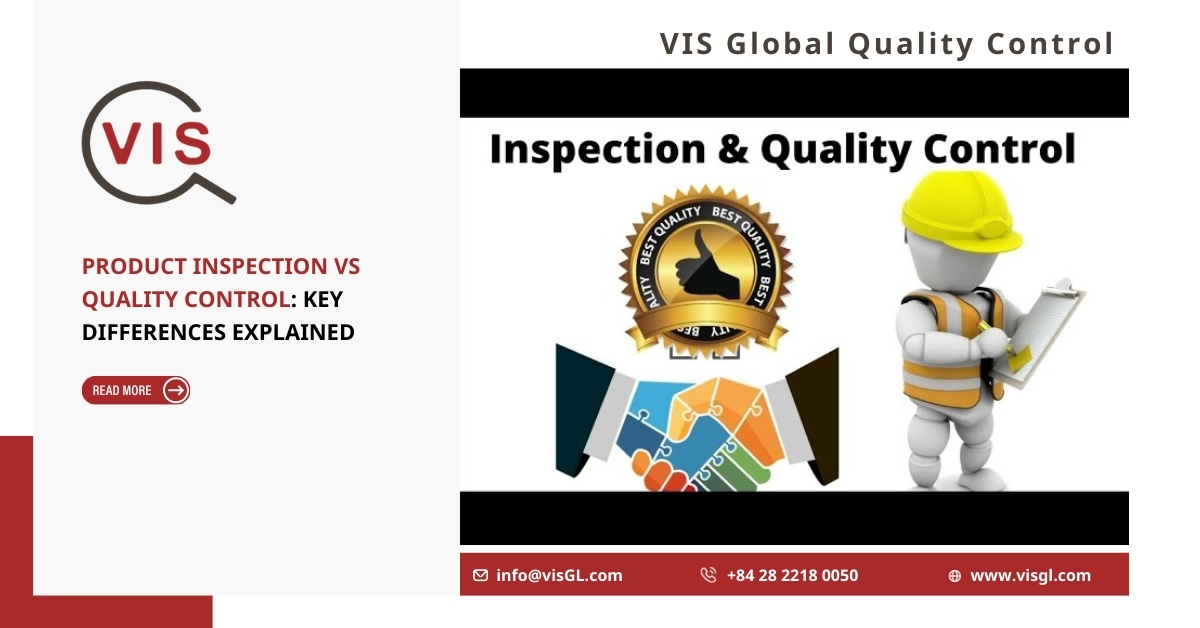
In an increasingly competitive global market, maintaining consistent product quality is critical for manufacturers, importers, and brand owners. Two essential concepts that play a central role in achieving this goal are product inspection and quality control. While these terms are often used interchangeably, they represent distinct activities within a comprehensive quality management framework.
At VIS Global Quality Control, we recognize that understanding the differences between product inspection and quality control enables businesses to build more effective quality strategies, reduce risks, and ensure compliance throughout the supply chain.
What Is Product Inspection?
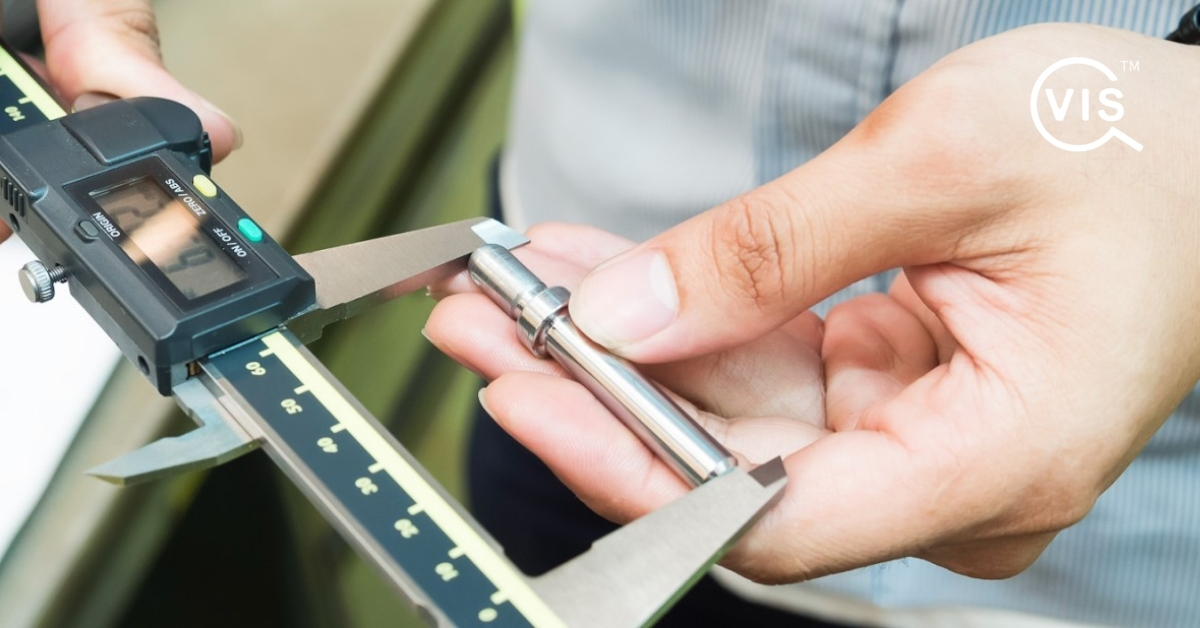
Product inspection refers to the process of examining, measuring, testing, or evaluating products to determine whether they meet specified requirements, standards, or customer expectations. It focuses primarily on the physical assessment of products, identifying defects, non-conformities, or deviations from agreed specifications.
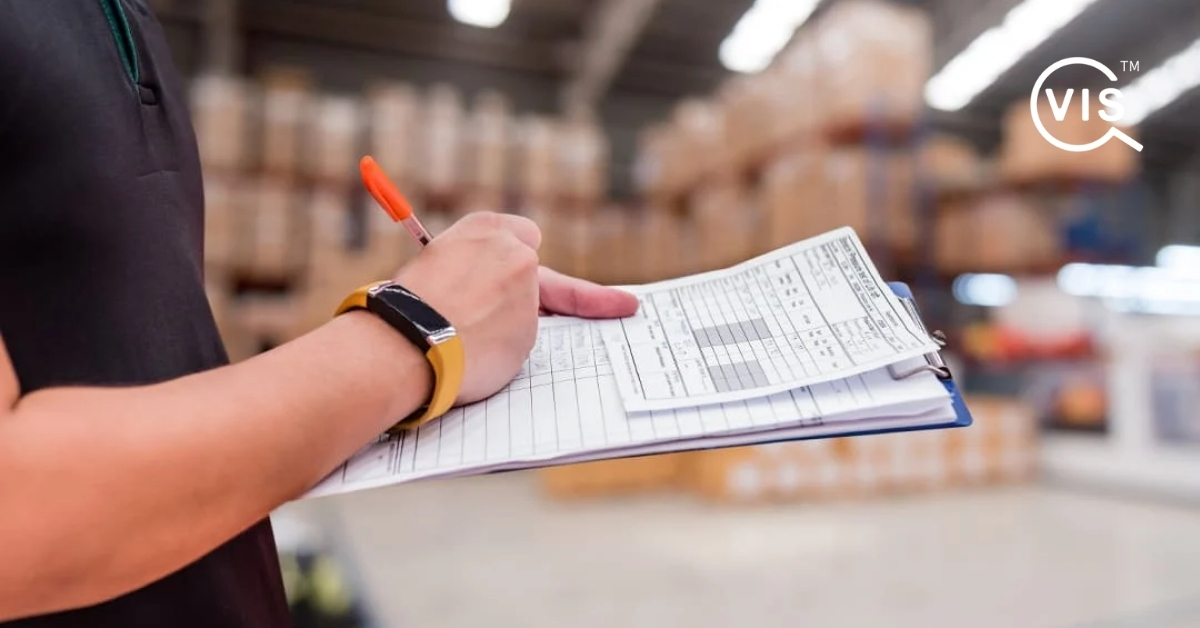
Product inspection is typically conducted at defined stages of the production process, including:
- Pre-Production Inspection: Verifies raw materials, components, and production readiness before mass manufacturing begins.
- During Production Inspection: Evaluates samples while production is ongoing to detect issues early and limit large-scale defects.
- Pre-Shipment Inspection: Assesses finished goods before shipment to ensure they meet contractual and regulatory requirements.
Product inspection is largely reactive in nature. Its main purpose is to identify existing problems and determine whether products are acceptable for release, shipment, or further processing.
What Is Quality Control?
Quality control (QC) is a broader and more systematic approach that encompasses all activities designed to ensure products consistently meet defined quality requirements. Rather than focusing solely on the final product, quality control addresses the processes, systems, and controls that influence product quality throughout the entire production lifecycle.
Key elements of quality control include:
- Ongoing monitoring of production processes
- Testing and verification at multiple stages
- Identification of root causes for quality issues
- Implementation of corrective and preventive actions
- Continuous process improvement to maintain consistent output quality
Unlike inspection, quality control is proactive and continuous, aiming to prevent defects from occurring rather than only detecting them after production.
Key Differences Between Product Inspection and Quality Control
Although both functions support quality assurance, their roles and objectives differ in several important ways.
- Scope
- Product Inspection focuses on evaluating individual products or batches to determine compliance with specifications.
- Quality Control covers the entire production system, including processes, procedures, and controls that influence product quality.
- Timing
- Inspection is usually performed at specific checkpoints or at the end of production.
- Quality Control operates continuously throughout all stages of manufacturing, from planning to final output.
- Approach
- Inspection is reactive, identifying defects after they have occurred.
- Quality Control is proactive, aiming to prevent defects by controlling processes and improving consistency.
- Objective
- Inspection answers the question: Does this product meet the required standards?
- Quality Control answers the broader question: Is the production system capable of consistently producing products that meet those standards?
Why Understanding the Difference Matters
Relying solely on product inspection can result in higher costs, rework, and waste, as defects are discovered only after production. Effective quality control, on the other hand, reduces these risks by addressing problems at their source and ensuring stable, repeatable processes.
The most effective quality strategy combines both approaches:
- Product inspection to verify compliance of finished goods
- Quality control to maintain long-term consistency and prevent quality issues
At VIS Global Quality Control, we integrate professional inspection services with structured quality control practices to help businesses protect their brand reputation, ensure compliance, and deliver reliable products to global markets.
