
 Info@visgl.com













Inspection News
Quality Control Challenges in Electronics Manufacturing
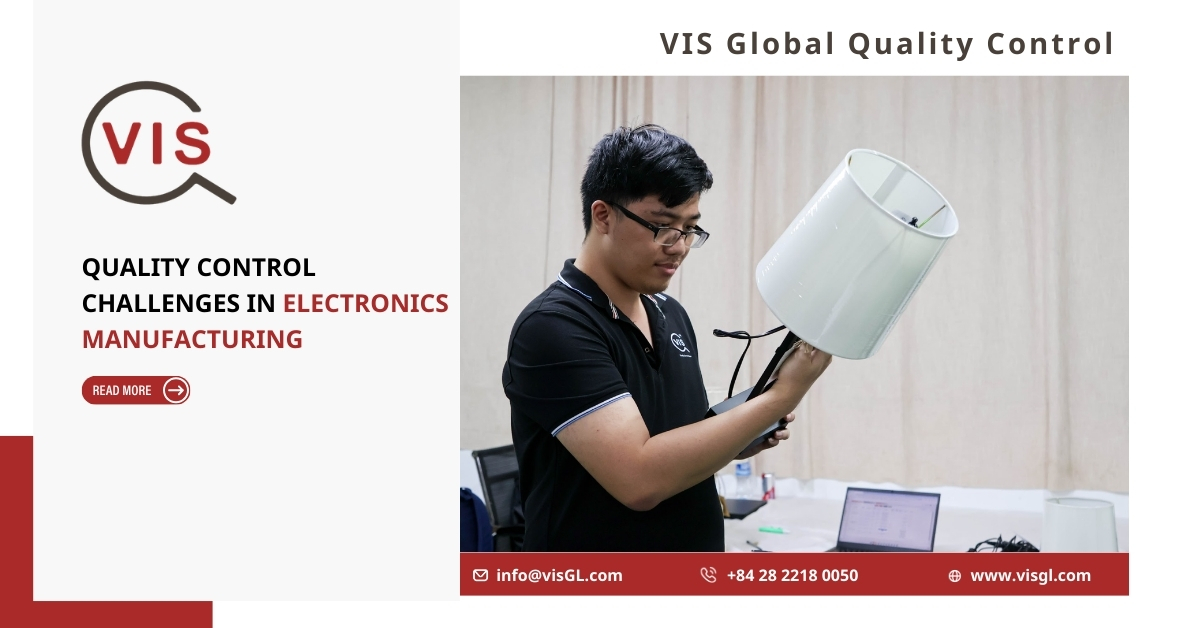
Electronics are everywhere—phones, vehicles, medical devices, home appliances, industrial equipment. And behind every finished product is a manufacturing process that demands extraordinary precision. A single overlooked solder joint, a marginally out-of-spec component, or a mislabeled connector can mean the difference between a product that works flawlessly and one that gets recalled.
For buyers sourcing electronics from contract manufacturers, the quality control challenges in this sector are real and worth understanding. At Vis Global Quality Control, we work with importers across the electronics supply chain, and we see firsthand how these challenges play out on factory floors around the world.
Component Complexity and Miniaturization
Modern electronics pack more functionality into smaller and smaller form factors. That’s great for the end user, but it creates serious headaches for quality control. As components shrink, tolerances get tighter, and the margin for error during assembly narrows considerably.
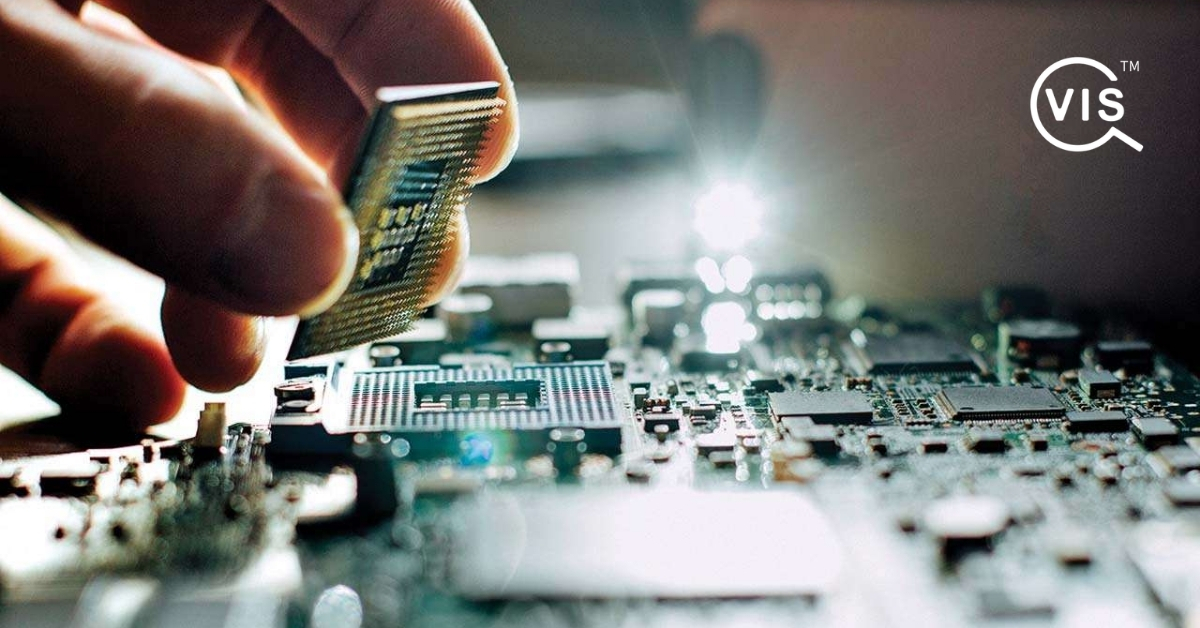
A printed circuit board that carries dozens of surface-mount components requires precise soldering at every point. Even slight temperature variations during the reflow process can result in cold joints, bridges, or tombstoned parts—defects that may not be visible to the naked eye but can cause intermittent failures once the product reaches the consumer. Detecting these issues requires specialized inspection equipment and trained inspectors who know exactly what to look for.
Multi-Layered Supply Chains
Electronics products rarely come from a single source. The finished item sitting on a shelf might contain components from ten or more different suppliers across multiple countries. Semiconductors from one region, passive components from another, connectors from a third—each with their own quality standards and production variables.
This fragmented supply chain creates a compounding risk. A quality issue with one supplier’s output can cascade through the entire assembly process. And because many electronic components look identical on the outside but differ in specification, even a simple labeling error at the component level can result in a batch of finished products that don’t perform as intended.
For buyers, this means quality control can’t stop at the final assembly. It needs to extend upstream into the component supply chain, verifying that what arrives at the factory door actually meets the required specifications.
Rapid Product Cycles and Design Changes
The electronics industry moves fast. Product lifecycles are short, and manufacturers are under constant pressure to bring new designs to market quickly. That speed often conflicts with the time needed for thorough quality assurance.
When a design changes mid-production—a revised PCB layout, a component substitution, an updated firmware requirement—the factory needs to adapt its processes and quality checks accordingly. If those changes aren’t communicated clearly and verified independently, they become a prime source of defects. We’ve seen situations where a factory continued building based on an outdated revision simply because the updated specification hadn’t reached the production floor. For the buyer, the consequences are the same: goods that don’t match the approved design.
Testing and Functional Verification
Unlike many consumer goods where a visual inspection catches most issues, electronics require functional testing to confirm that the product actually works as specified. A unit can look perfect externally and still have an internal fault—a short circuit, a software bug, a sensor that reads outside tolerance.
The challenge is that functional testing needs to be tailored to each product. There’s no generic checklist that covers every electronic device. Testing protocols need to reflect the product’s intended use, its operating conditions, and the regulatory standards it must comply with. Setting up and validating those test procedures takes expertise and time.
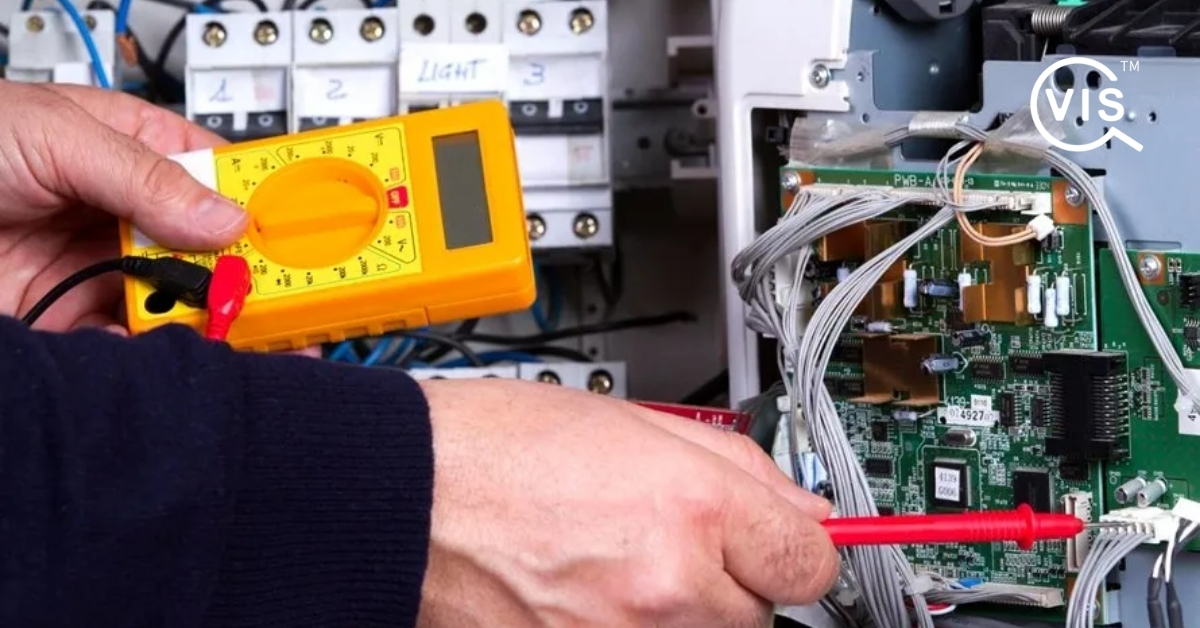
For buyers who lack in-house electronics engineering resources, defining the right testing criteria and verifying that the factory follows them consistently is one of the most difficult aspects of quality control in this sector.
Regulatory Compliance Across Markets
Electronics sold in different countries face different regulatory requirements. Safety certifications, electromagnetic compatibility standards, hazardous substance restrictions like RoHS, energy efficiency ratings—the list varies by market and product type.
A manufacturer building for multiple destinations needs to manage compliance across all of them simultaneously. That’s complicated enough for the factory. For the buyer, it adds another layer of quality control: confirming not just that the product is well-made, but that it meets the specific regulatory requirements for each target market.
Non-compliance can have severe consequences. Products may be seized at customs, recalled after distribution, or subject to fines. And reputational damage from a compliance failure can outlast the financial cost.
How Independent Inspection Helps
Each of these challenges reinforces the same point: quality control in electronics manufacturing can’t be left to the factory alone. The complexity of the products, the speed of the production cycle, and the fragmentation of the supply chain all demand independent oversight.
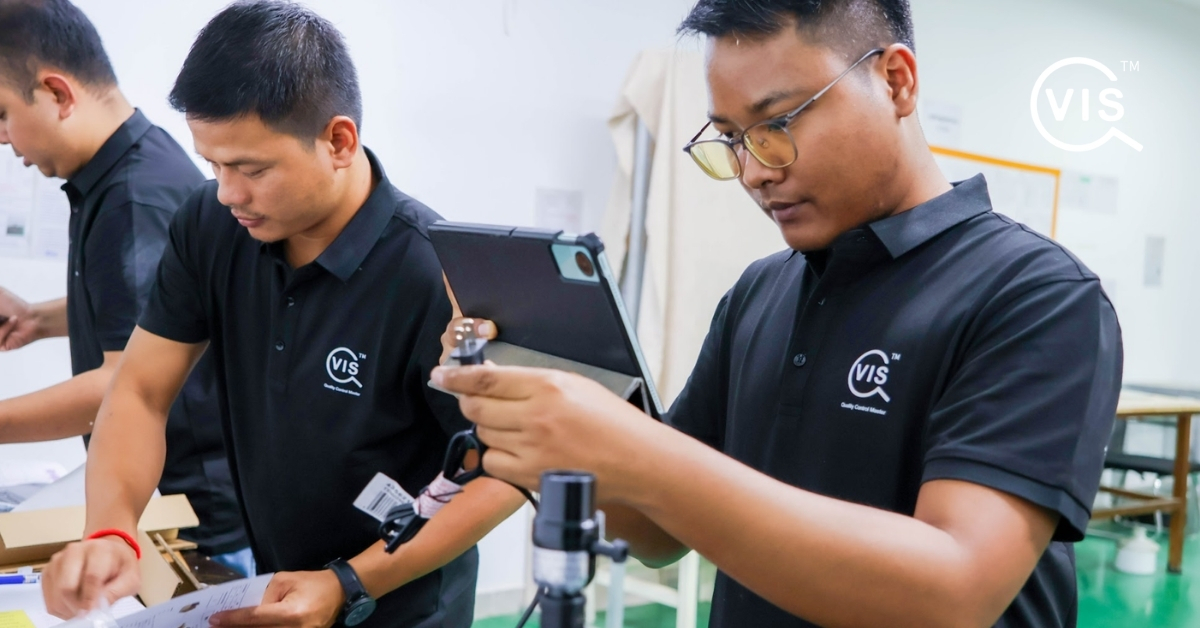
At Vis Global Quality Control, our inspectors are trained in the specific requirements of electronics inspection. We conduct visual checks, verify component placement, review soldering quality, confirm labeling and packaging against specifications, and coordinate functional testing based on the buyer’s criteria.
We also support buyers with factory audits to evaluate a manufacturer’s process controls, equipment maintenance practices, and workforce capabilities before production even begins. This proactive approach catches systemic issues that product-level inspections alone might miss.
Building Quality Into Every Order
Electronics manufacturing isn’t getting simpler. Products are becoming more complex, supply chains more distributed, and regulatory requirements more demanding. For buyers, the path to consistent quality runs through active involvement—clear specifications, strategic inspections, and a quality control partner who understands the unique pressures of this industry.
Vis Global Quality Control is here to help you navigate those pressures. Contact us to discuss how our electronics inspection services can protect your next order.
