
 Info@visgl.com











Inspection News
Textile & Apparel Inspection: How Fabric Weight, Stitching, and Color Fastness Define Product Quality
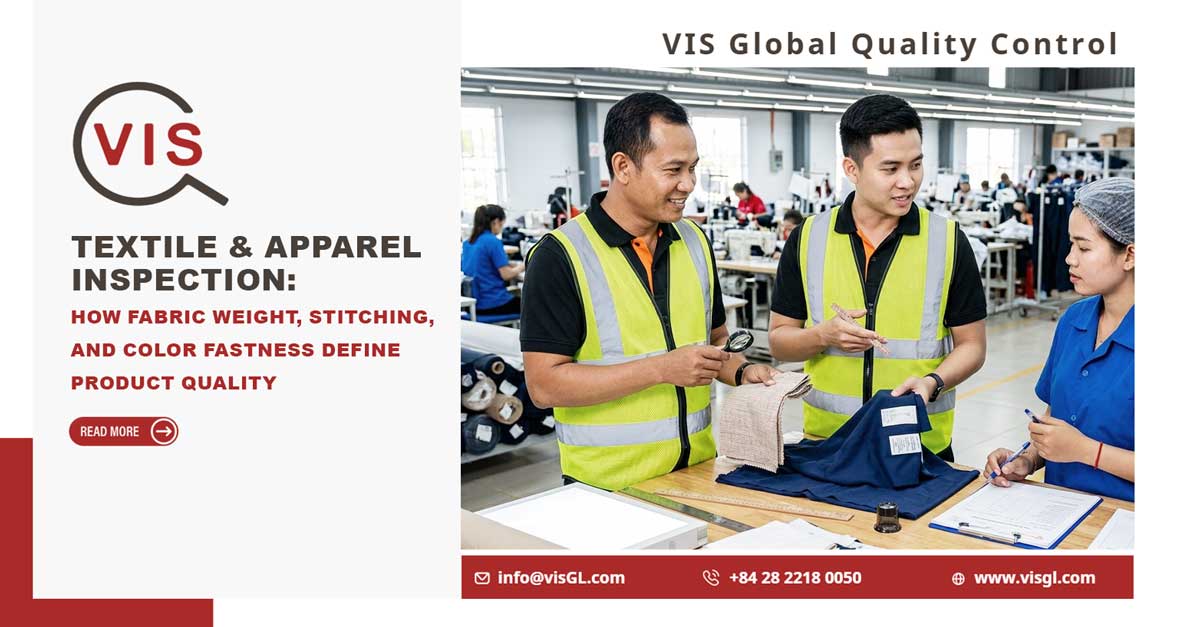
In the global textile and apparel industry, product quality directly impacts brand reputation, customer satisfaction, and long-term business success. Even small defects in fabric weight, stitching quality, or color fastness can lead to rejected shipments, customer complaints, and costly recalls.
For importers, retailers, and sourcing companies, professional textile apparel inspection is essential to ensure products meet international quality standards before shipment.
At VIS Global Quality Control, our inspectors conduct comprehensive garment and fabric inspections across Vietnam to help buyers reduce risks, improve consistency, and protect their supply chain.
What Is Textile Apparel Inspection?
Textile apparel inspection is a quality control process used to verify fabric, stitching, measurements, color fastness, and overall workmanship before shipment.
Why Textile & Apparel Inspection Matters
Textile products go through multiple manufacturing stages, including:
- fabric knitting or weaving
- dyeing
- cutting
- stitching
- washing
- finishing
- packing
Quality issues can occur at any stage of production.
Without proper inspection, buyers may face:
- inconsistent fabric GSM
- uneven stitching
- color bleeding
- incorrect measurements
- fabric contamination
- broken seams
- high defect rates
Professional textile inspection helps identify these issues early before products reach customers.
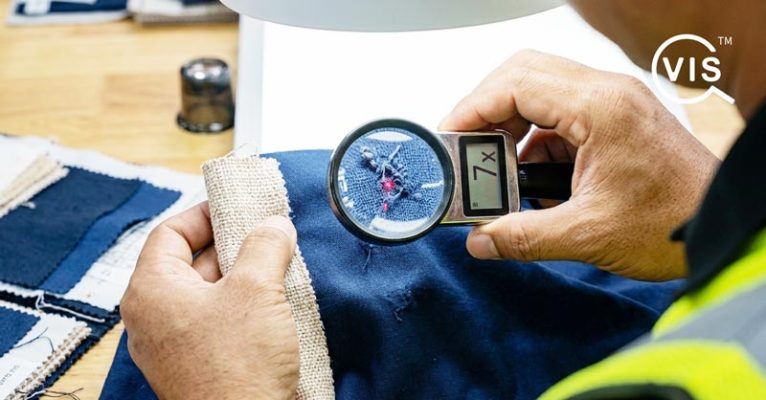
Key Quality Criteria in Textile Apparel Inspection
Fabric Weight (GSM) Inspection
Fabric weight, commonly measured in GSM (grams per square meter), is one of the most important quality indicators in textile manufacturing.
Incorrect GSM can affect:
- garment durability
- comfort
- appearance
- shrinkage performance
- buyer specifications
Inspectors verify fabric weight using calibrated GSM cutters and precision scales.
Typical GSM tolerance:
- ±5% depending on buyer requirements
Common GSM issues include:
- uneven knitting density
- incorrect yarn count
- inconsistent finishing process
Why GSM Inspection Is Important
Low GSM fabrics may feel thin or low quality, while excessively heavy fabrics can impact fit, shipping cost, and wearer comfort.
For global brands, GSM consistency is critical for maintaining product quality across production batches.
Stitching & Seam Quality Inspection
Stitching quality directly affects garment durability and overall appearance.
Inspectors evaluate:
- stitch density (SPI)
- seam strength
- loose threads
- skipped stitches
- open seams
- puckering
- alignment consistency
Common stitching defects:
- broken stitches
- uneven seam allowance
- needle damage
- seam slippage
- raw edge exposure
High-quality garments require consistent stitching performance throughout the entire production lot.
Color Fastness Testing
Color fastness testing evaluates how well fabric retains color during:
- washing
- rubbing
- perspiration
- light exposure
Poor color fastness can lead to:
- color bleeding
- fading
- customer complaints
- failed compliance testing
Common test standards include:
- AATCC
- ISO
- ASTM
Inspectors verify whether products meet buyer-approved color fastness requirements before shipment.
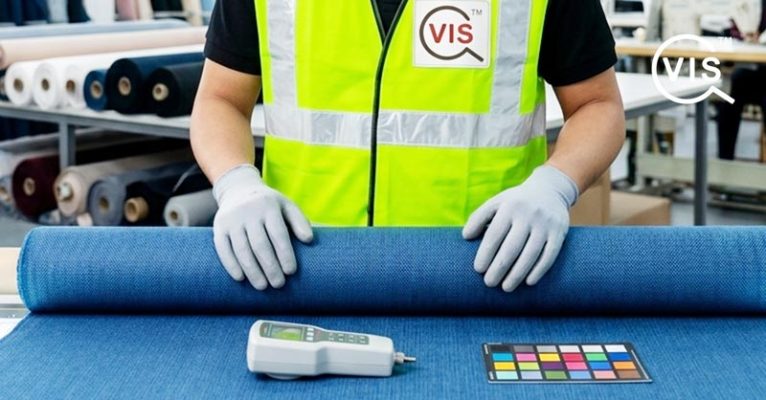
Common Color Fastness Tests
Wash Fastness
Evaluates color durability after repeated washing cycles.
Rub Fastness
Measures color transfer during dry or wet rubbing.
Light Fastness
Checks resistance to sunlight or UV exposure.
Perspiration Fastness
Tests fabric reaction to sweat and moisture conditions.
Common Textile Defects Found During Inspection
Professional garment inspection helps identify both major and minor defects before shipment.
Fabric Defects
Common fabric-related defects include:
- shading variation
- holes
- stains
- oil marks
- yarn contamination
- slubs
- barre effect
- uneven dyeing
Garment Construction Defects
Construction-related defects may include:
- open seams
- crooked stitching
- missing bartacks
- incorrect labels
- measurement deviations
- poor trimming
- loose accessories
These issues can significantly impact product acceptance rates.
Textile Inspection Process at VIS Global
At VIS Global Quality Control, our textile inspection process follows international AQL inspection standards and buyer specifications.
Pre-Production Inspection (PPI)
Before mass production begins, inspectors verify:
- raw materials
- fabric quality
- trims and accessories
- color approval
- sample conformity
This stage helps prevent quality problems before manufacturing starts.
During Production Inspection (DUPRO)
During production inspection allows early detection of:
- stitching defects
- measurement inconsistencies
- workmanship issues
- process deviations
Corrective actions can be implemented before large quantities are completed.
Pre-Shipment Inspection (PSI)
Pre-shipment inspection is conducted when production is at least 80% completed and products are packed.
Inspectors verify:
- workmanship
- quantity
- labeling
- packaging
- carton condition
- measurement accuracy
- AQL defect levels
This is one of the most critical stages before shipment approval.
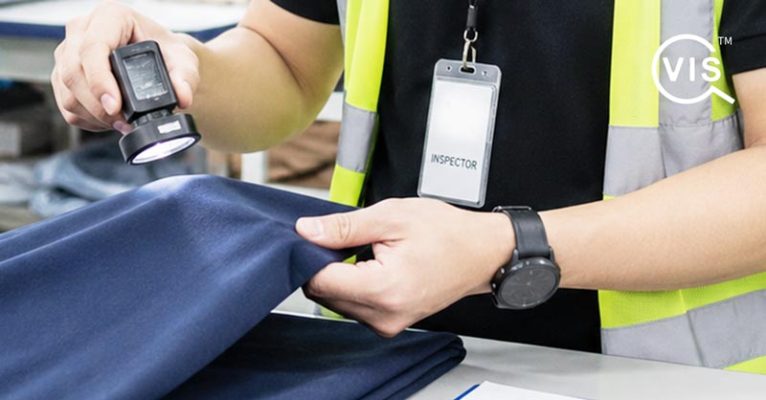
AQL Sampling in Garment Inspection
AQL (Acceptable Quality Limit) is widely used in textile and apparel inspection.
Typical AQL levels:
- Major defects: 2.5
- Minor defects: 4.0
AQL inspection helps buyers determine whether a shipment meets acceptable quality standards.
Benefits of AQL inspection:
- consistent quality control
- reduced shipment risk
- objective defect evaluation
- internationally recognized inspection methodology
International Standards Used in Textile Inspection
Professional inspection companies follow recognized testing and inspection standards.
Common Standards Include:
- ISO textile testing standards
- ASTM fabric testing methods
- AATCC color fastness standards
- buyer-specific quality manuals
Compliance with international standards helps importers minimize disputes and ensure product consistency.
Why Importers Choose Vietnam for Textile Manufacturing
Vietnam has become one of the leading global textile manufacturing hubs due to:
- competitive labor costs
- skilled workforce
- strong export infrastructure
- growing compliance standards
- diversified sourcing capabilities
However, quality consistency still varies between factories.
Independent third-party inspection remains essential for reducing sourcing risks.
Why Choose VIS Global Quality Control
VIS Global Quality Control provides professional textile and apparel inspection services throughout Vietnam.
Our inspection services include:
- textile inspection
- garment inspection
- factory audit
- pre-shipment inspection
- during production inspection
- loading supervision
- full inspection services
Our inspectors help global buyers:
- reduce defect risks
- improve product consistency
- avoid shipment disputes
- strengthen supplier performance
- protect brand reputation
Conclusion
Textile apparel inspection plays a critical role in ensuring garment quality, buyer compliance, and customer satisfaction.
From fabric weight verification to stitching inspection and color fastness testing, professional quality control helps importers minimize risks and maintain consistent product standards.
Working with an experienced third-party inspection company in Vietnam allows buyers to identify problems early, improve supply chain reliability, and ensure products meet international market expectations.
For professional textile inspection services in Vietnam, contact VIS Global Quality Control today.
Ready to Improve Apparel Quality Consistency?
Explore professional inspection solutions with Vis Global Quality Control.
You can also read:
Have questions about textile inspection standards or apparel sourcing risks? Leave a comment or contact the Vis Global Quality Control team for expert guidance tailored to your supply chain.
