
 Info@visgl.com










VIS News
Textile Apparel Inspection: Your Ultimate Guide to Preventing Defects, Ensuring Compliance, and Protecting Profits in 2026
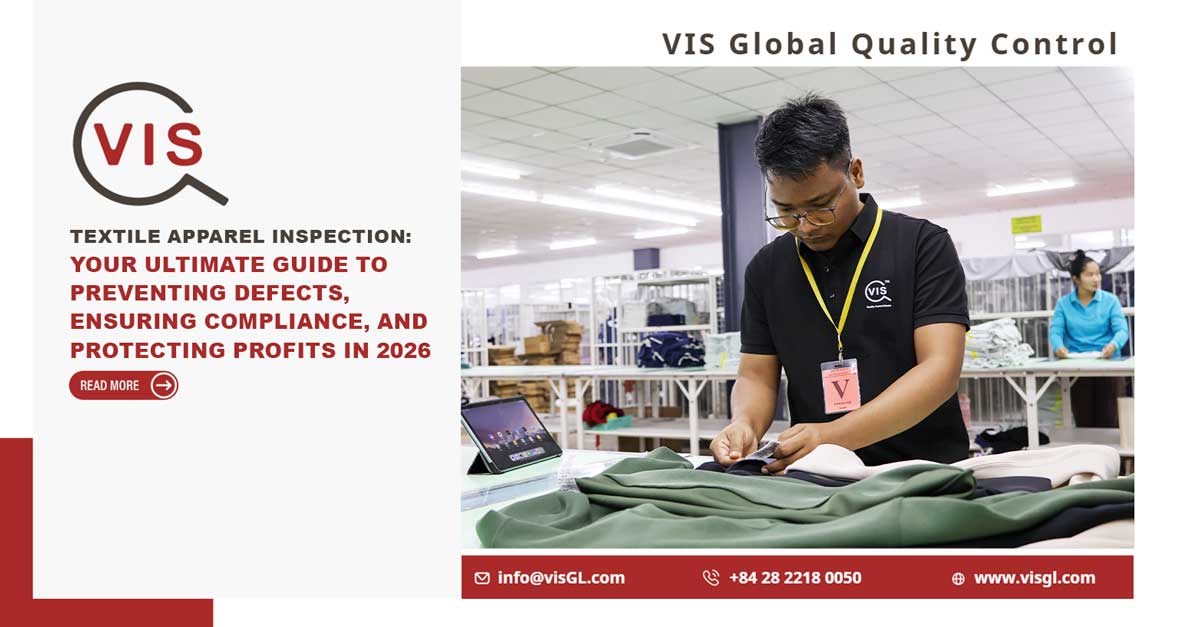
After spending more than 15 years walking factory floors across Vietnam, Cambodia, and China, I’ve learned one truth the hard way: the difference between a successful apparel order and a costly disaster often comes down to what you catch before the container leaves the port.
I still remember one frantic call from a European buyer whose entire shipment of premium cotton shirts was rejected at customs because of inconsistent shade variation. The factory had rushed production, and no one had checked the fabric rolls properly. That single incident cost them over $38,000. Experiences like this are exactly why I’m so passionate about sharing practical, real-world knowledge on textile apparel inspection.
In this guide, we’ll tackle the buyer problems I hear almost every week: How do I trust my supplier won’t cut corners? How can I reduce returns and protect my brand? And what does a truly effective inspection process actually look like?
What Is Textile Apparel Inspection?
Let’s be honest – in today’s market, consumers are unforgiving. With global apparel sales projected to surpass $2.5 trillion soon, one bad batch can damage your reputation faster than you can issue a refund.
Poor quality doesn’t just mean unhappy customers. It leads to higher return rates (often 20-30% in online apparel), chargebacks, and potential legal issues under strict safety regulations.
From my experience, investing in professional garment quality control early typically delivers a 5-10x return through avoided losses. It’s not just about checking boxes – it’s about building a supply chain you can actually rely on.
Learn more about our Factory Audit Services
What Are the Most Common Defects in Textile Apparel?
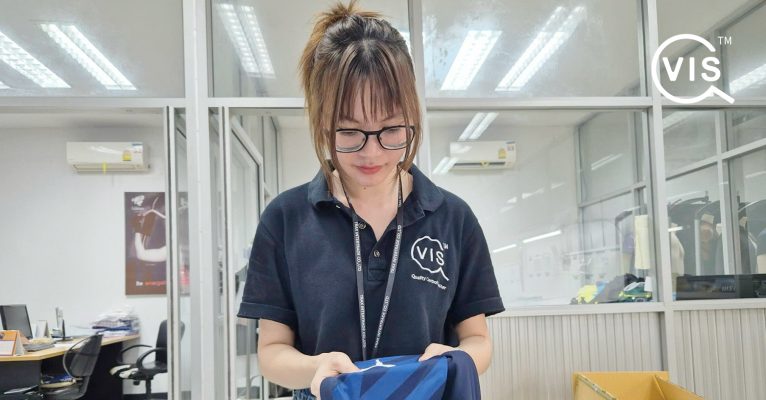
Over the years, I’ve compiled a mental list of the usual suspects that keep appearing in factories. Fabric-related issues alone often account for a significant portion of problems.
Common Defects I See Regularly:
- Shade variation and uneven dyeing
- Stains, oil marks, and dirt from poor handling
- Broken stitches, open seams, and puckering
- Holes, dropped stitches, and needle damage
- Misaligned prints or patterns
- Loose threads and fraying edges
- Measurement inconsistencies across sizes
Real Example: During a pre-shipment inspection in Ho Chi Minh City for a U.S. client, we found that 22% of a 8,000-piece activewear order had seam puckering due to incorrect thread tension. Because we caught it early, the factory fixed the machines and reworked the affected pieces without delaying the shipment.
For more technical background on standards, check this helpful resource from the U.S. government: CPSC Regulations for Textile and Clothing Products.
The Professional Textile Apparel Inspection Process (Step-by-Step)
I always tell clients there’s no “one-size-fits-all” approach, but a solid process generally includes these key stages:
- Pre-Production Inspection (PPI) – Verifying materials, samples, and specifications before mass production begins.
- During Production Inspection (DPI) – Checking the first 10-20% of output to catch issues early.
- Pre-Shipment Inspection (PSI) – The most critical final random check using AQL sampling.
- Loading Supervision – Ensuring proper packing and container conditions.
We evaluate everything from fabric GSM and colorfastness to stitch strength, labeling accuracy, and packaging.
Outbound Authority Link: For official U.S. labeling requirements, see the FTC Guide on Apparel Labeling.
Explore our During Production Inspection Services
What Is AQL in Textile Inspection?
AQL (Acceptable Quality Limit) is the statistical backbone of fair and consistent inspections. In my 15 years, I’ve seen many buyers struggle because they didn’t set clear AQL levels.
Comparison Table: Recommended AQL Levels
| Quality Tier | Critical | Major | Minor | Typical Use Case |
|---|---|---|---|---|
| Premium | 0 | 1.5 | 2.5 | Luxury & designer brands |
| Mid-Market | 0 | 2.5 | 4.0 | Standard retail & e-commerce |
| Budget | 0 | 4.0 | 6.5 | Fast fashion basics |
This framework helps align expectations between you, your supplier, and the inspection team.
For deeper academic insight into sampling methods, this paper from Iowa State University is worth reading: Textile Quality Assurance.
Practical Textile Apparel Inspection Checklist
Here’s a field-tested checklist I give to all new clients:
- Fabric quality (GSM, defects using 4-Point System)
- Measurements & sizing tolerances
- Stitch quality and seam strength
- Color consistency under different lighting
- Trims, zippers, and button pull tests
- Care labels & country of origin compliance
- Packaging & polybag suffocation warnings
Pro Tip from Experience: Always request lab testing for high-risk items (shrinkage, pilling, colorfastness). Visual checks alone aren’t enough.
Download Our Free Apparel Inspection Checklist
Case Study: Turning a Potential Disaster into Success
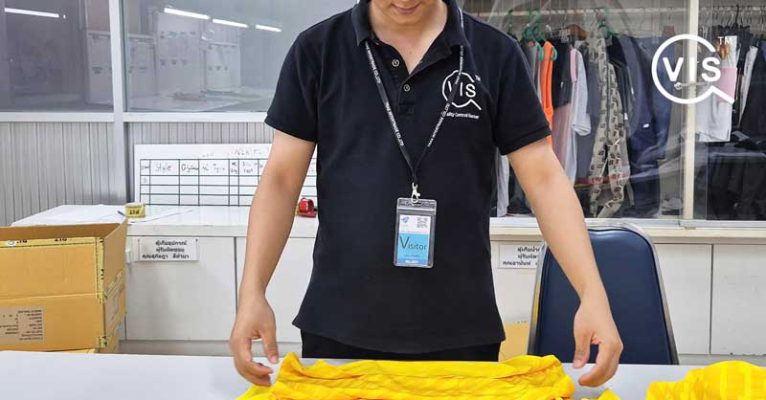
A mid-sized American brand came to us after struggling with a Vietnamese supplier on 15,000 units of performance hoodies. Our inline inspection revealed widespread dropped stitches and weak seam strength.
We worked with the factory to recalibrate machines, retrain operators on thread tension, and re-inspect. The final shipment passed with flying colors. The client later told me it saved them an estimated $52,000 in potential returns and lost trust.
This kind of real outcome is why third-party textile apparel inspection continues to deliver strong ROI.
In-House vs Third-Party Inspection – What Actually Works?
I’ve seen both sides. In-house teams often lack independence and bandwidth. Professional third-party inspectors bring fresh eyes, standardized processes, and deep regional knowledge — especially valuable in competitive manufacturing hubs like Vietnam.
Frequently Asked Questions
Q: When is the best time to conduct textile apparel inspection? A: A combination of During Production and Pre-Shipment inspections gives the best balance of early detection and final verification.
Q: How much does professional garment inspection cost? A: Usually between $320–$580 per man-day in Southeast Asia, depending on scope. The peace of mind and cost savings almost always outweigh the investment.
Q: What government regulations should apparel importers know? A: Key ones include CPSC flammability standards and FTC labeling rules.
Final Thoughts: Protect Your Brand with Smarter Quality Control
After 15 years in this industry, I can confidently say that consistent textile apparel inspection is one of the smartest investments you can make. It’s not about finding fault — it’s about building better suppliers and delivering products your customers love.
At Vis Global Quality Control, we don’t just inspect — we help you understand why issues happen and how to prevent them long-term.
Ready to strengthen your supply chain?
Schedule your inspection. Secure consistent quality. Scale with confidence.
Contact us today at info@visgl.com or visit visgl.com for a free consultation and personalized advice based on your specific product range.
Written by a Quality Control Specialist with 15+ years of hands-on experience in Asian apparel manufacturing hubs.
