
 Info@visgl.com











Inspection News
The Challenges of Textile Inspection
Textiles look simple on the surface. Fabric, stitching, a label, a polybag—how hard can it be to check? But anyone who’s worked in garment sourcing knows that textile inspection is one of the trickiest areas in quality control. The materials are variable, the defects can be subtle, the standards differ by market, and the stakes are higher than most people realize.
At Vis Global Quality Control, we inspect textiles and garments across a wide range of product categories and manufacturing regions. These are the challenges we encounter most often—and the ones that buyers need to understand if they want to protect their brand.
Defects That Hide in Plain Sight
Textile defects aren’t always obvious. Some only become visible once the fabric is stretched, washed, or worn. A color that looks fine under factory lighting might appear noticeably different in natural daylight. Pilling might not show up until after the first few wears. A dimensional instability issue—shrinkage, basically—won’t reveal itself until the garment goes through a wash cycle.
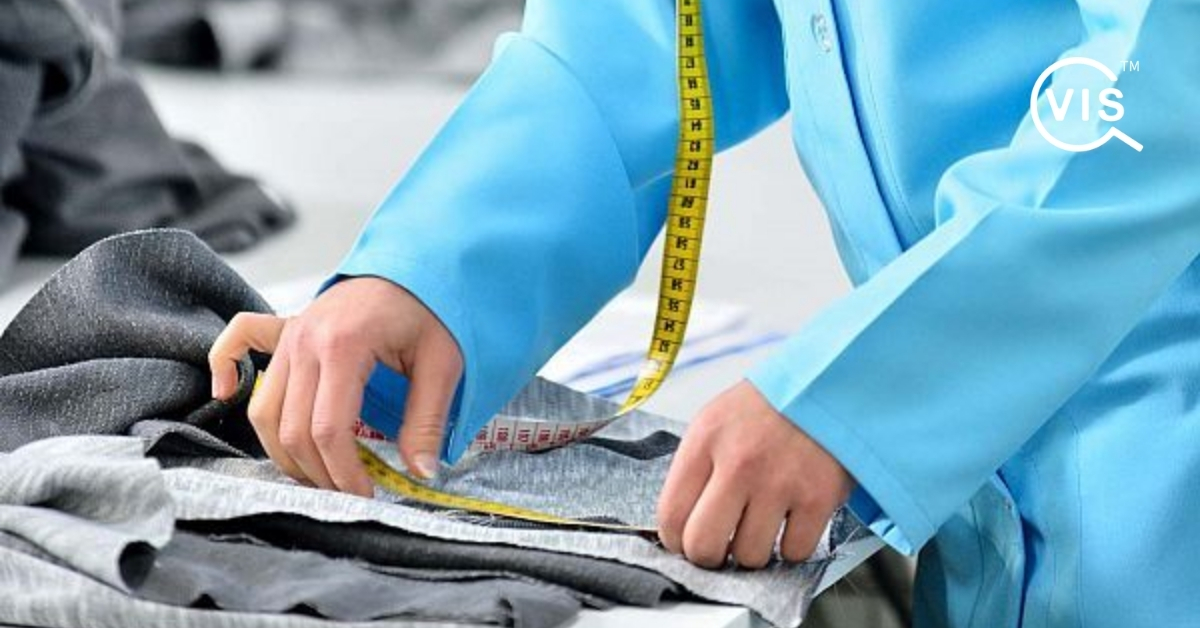
This makes textile inspection inherently different from inspecting hard goods. You can measure a plastic part with calipers and know immediately whether it’s in spec. With textiles, many of the most damaging quality problems are latent. They exist in the fabric but haven’t surfaced yet. Catching them requires a combination of visual assessment, physical testing, and experience reading the signs that something isn’t right.
The Subjectivity Problem
One of the most persistent challenges in textile quality control is subjectivity. What one inspector considers a minor shade variation, another might flag as a critical color mismatch. A small stain might be acceptable in casual workwear but completely unacceptable in premium fashion. The boundary between a cosmetic flaw and a functional defect isn’t always clear-cut.
This is why standardized inspection criteria matter so much in textiles. Systems like the 4-point system for fabric inspection exist specifically to reduce subjective judgment by assigning penalty points based on the size and severity of each defect. But even with these frameworks in place, consistency still depends on well-trained inspectors who understand the buyer’s specific expectations—not just generic industry standards.
At Vis Global Quality Control, we work closely with buyers to calibrate our inspectors to their quality expectations. A tolerance that’s fine for one brand might be unacceptable for another, and our job is to apply the right standard to the right product every time.
Color Consistency Across Production Runs
Color management is one of the most frustrating challenges in the textile industry. Achieving an exact color match across different dye lots, different factories, and different fabric compositions is genuinely difficult. Even small differences in water temperature, dye concentration, or processing time can produce visible shade variation between batches.
For buyers ordering across multiple suppliers or restocking a core product line, even minor color inconsistencies between deliveries create real problems. Garments displayed side by side on a retail shelf will expose shade differences that might not be noticeable in isolation. Customers notice, and returns follow.
Inspection can catch these issues, but only if the inspector has an approved reference sample or Pantone standard to compare against. Without that reference point, assessing color accuracy becomes guesswork.
Navigating Different Regulatory Requirements
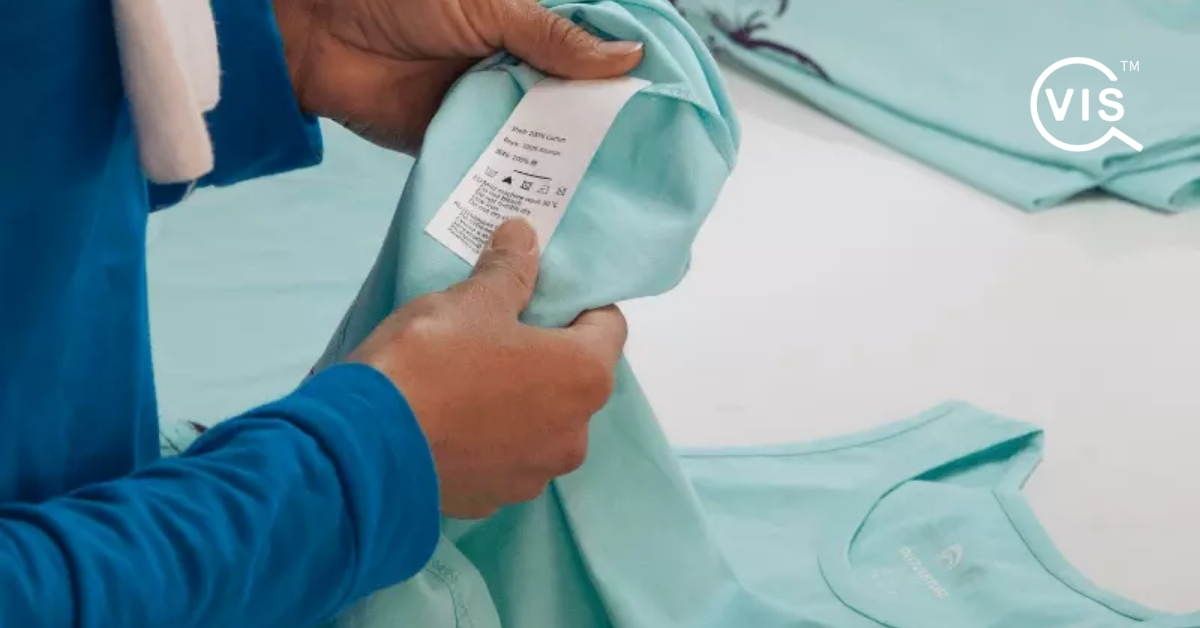
Textiles sold in different markets must comply with different safety and labeling regulations. The EU enforces REACH restrictions on chemical substances, the US follows CPSIA requirements for children’s products, and Japan, Australia, and other markets each have their own standards for fiber content labeling, flammability, and chemical limits.
For buyers selling into multiple markets, this creates a layered compliance challenge. A garment that passes inspection for one market might fail testing requirements for another. And the consequences of non-compliance can be severe—shipments held at customs, products recalled from shelves, or fines from regulatory authorities.
Textile inspection needs to account for these regulatory dimensions alongside the physical quality of the product. At Vis Global Quality Control, we help buyers incorporate market-specific checks into their inspection protocols, ensuring that labeling, fiber content claims, and care instructions align with destination-market requirements before the goods ship.
Inspector Fatigue and Consistency
Textile inspection is physically and mentally demanding. Examining hundreds of garments or rolls of fabric in a single session requires sustained concentration, and attention naturally drifts as hours pass. An inspector who catches every defect in the first hour may start missing subtle issues by the fourth.
Managing this requires rotating inspectors between tasks, setting reasonable workload expectations, and accepting that inspection is a risk-reduction tool rather than an absolute guarantee—then designing your quality strategy accordingly.
Supply Chain Complexity
Most textile products pass through multiple production stages—yarn spinning, weaving or knitting, dyeing and finishing, cutting, sewing, and packaging. Each stage may involve a different facility. Quality problems can originate at any point along this chain. A fabric defect introduced during weaving might not surface until the finished garment reaches final inspection. By then, the cost has multiplied through every downstream process.

For buyers, this means textile quality control ideally extends beyond the final product. Fabric inspections before cutting, inline checks during sewing, and pre-shipment inspections of finished goods each address different risk points in the production chain.
Working With the Right Inspection Partner
Textile inspection demands more than a checklist and a pair of eyes. It requires inspectors who understand fabrics, know what defects look like across different material types, and can apply both standardized methods and buyer-specific criteria consistently.
At Vis Global Quality Control, textile and garment inspection is a core part of what we do. We bring the training, the tools, and the experience to help buyers navigate the unique challenges of this industry—so that what arrives at the warehouse matches what was ordered at the factory.
Contact us today to discuss how we can support your textile quality control needs.
