
 Info@visgl.com












Inspection News
The Most Common Reasons Products Fail Inspection
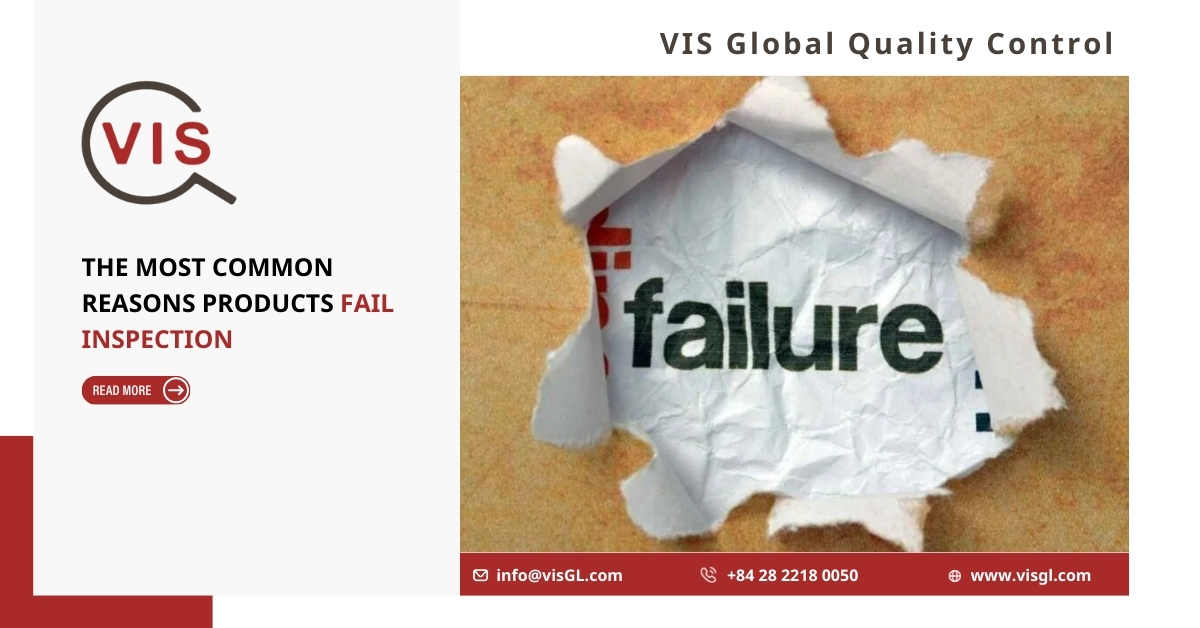
In today’s global manufacturing environment, product inspection plays a vital role in protecting product quality, regulatory compliance, and brand reputation. However, inspection failures remain a common issue across industries, often resulting in shipment delays, rework costs, rejected orders, or loss of customer trust.
Understanding why products fail inspection is the first step toward building a stronger quality control system. Below are the most common reasons identified across inspection and quality control operations worldwide.
Unclear or Incomplete Product Specifications
One of the primary causes of inspection failure is poorly defined product requirements. When specifications, drawings, or quality standards are incomplete, outdated, or open to interpretation, manufacturers may produce items that technically differ from buyer expectations. During inspection, these discrepancies often lead to non-conformance findings and failed results.
Clear, detailed, and measurable specifications are essential to ensure consistency between production output and inspection criteria.

Manufacturing and Workmanship Defects
Workmanship issues are among the most frequently detected problems during inspections. These may include cosmetic defects, assembly errors, inconsistent finishes, incorrect dimensions, or structural weaknesses. Such defects usually originate from insufficient process control, inadequate worker training, or pressure to meet tight production deadlines.
Without consistent quality monitoring throughout the production process, these issues accumulate and become evident during final inspection.
Documentation and Labeling Errors
Incorrect documentation is another major reason products fail inspection. Common issues include inaccurate labels, missing markings, incorrect barcodes, mismatched product descriptions, or errors in user manuals and packaging information. These problems are particularly critical in regulated industries where traceability and compliance documentation are mandatory.
Even when the physical product meets quality standards, documentation errors alone can result in inspection failure.
Poor Inspection Planning and Criteria Definition
Inspections often fail when they are not properly planned. This includes unclear defect classification, undefined acceptance limits, or inspection checklists that do not fully align with product requirements. Without structured criteria, inspection results can become inconsistent and subjective, increasing the likelihood of rejection.
Well-defined inspection plans ensure that all parties share a common understanding of what constitutes acceptable and unacceptable quality.

Inadequate Testing Equipment or Measurement Methods
Using unsuitable or poorly calibrated testing equipment can lead to inaccurate inspection results. Incorrect measurement tools, outdated testing methods, or improper sampling techniques can all contribute to failed inspections. In some cases, products fail not because of poor quality, but because testing conditions do not reflect real-world usage or standards.
Reliable equipment and standardized testing procedures are essential for accurate inspection outcomes.
Human Error and Insufficient Training
Inspection quality heavily depends on the competence of inspectors. Lack of product knowledge, insufficient training, fatigue, or simple oversight can cause inspectors to miss defects or incorrectly assess compliance. Human error remains a significant factor in inspection failures, particularly when inspection teams are under time pressure.
Continuous training and clear inspection protocols help reduce variability and improve inspection accuracy.
Communication Gaps Across the Supply Chain
Miscommunication between buyers, suppliers, manufacturers, and inspection teams frequently leads to failed inspections. Differences in interpretation of quality requirements, tolerance levels, or defect severity can result in products being rejected despite meeting the manufacturer’s understanding of quality standards.
Transparent communication and alignment across all stakeholders are critical to inspection success.
Packaging and Handling Issues
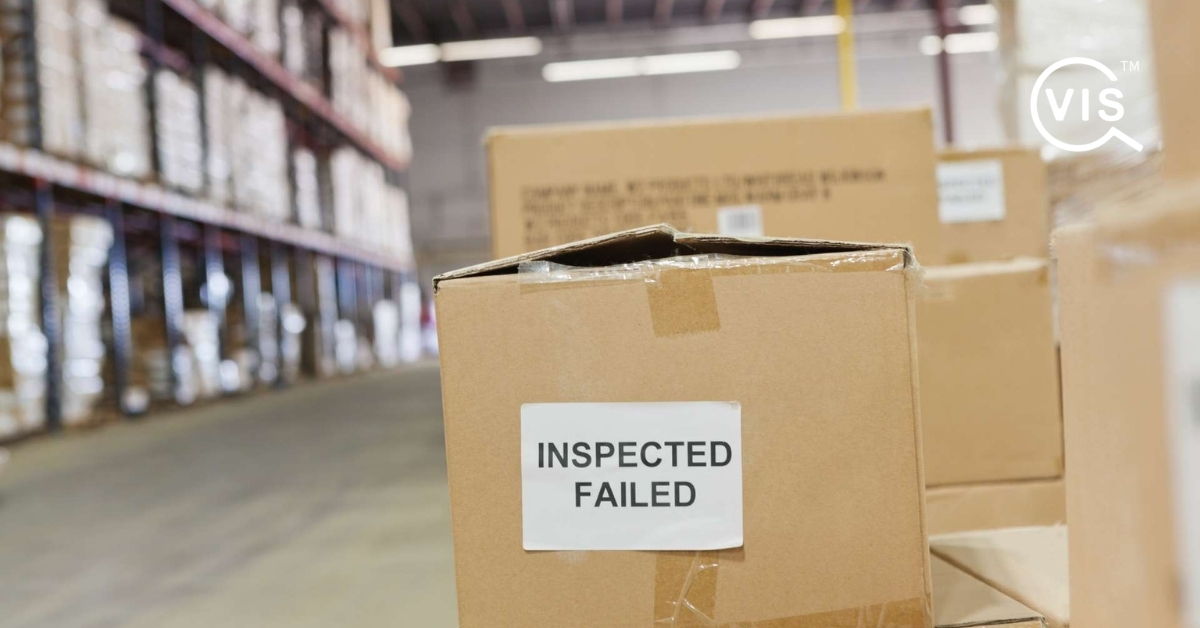
Products may pass manufacturing quality checks but fail inspection due to damage caused during packaging, storage, or transportation. Inadequate protective materials, improper stacking, or exposure to moisture and impact can compromise product integrity before inspection even begins.
Effective packaging design and proper handling procedures are essential components of quality control.
Incorrect Installation or Setup During Testing
For products requiring assembly or installation prior to testing, improper setup can result in failed inspection outcomes. Errors during installation may affect performance, safety, or functionality, even if the product itself is manufactured correctly.
Clear setup instructions and proper supervision during testing help prevent avoidable inspection failures.
Conclusion
Inspection failures are rarely the result of a single issue. They usually reflect weaknesses across specification management, manufacturing processes, documentation control, inspection planning, and communication. Addressing these root causes requires a proactive and systematic approach to quality control.
At VIS Global Quality Control, we support businesses in reducing inspection failures by implementing robust inspection strategies, clear quality standards, professional inspection teams, and consistent communication throughout the supply chain. By identifying risks early and enforcing quality at every stage, companies can improve compliance, protect their brand, and deliver products that meet global market expectations.
