
 Info@visgl.com












Inspection News
Top Quality Risks in Global Manufacturing
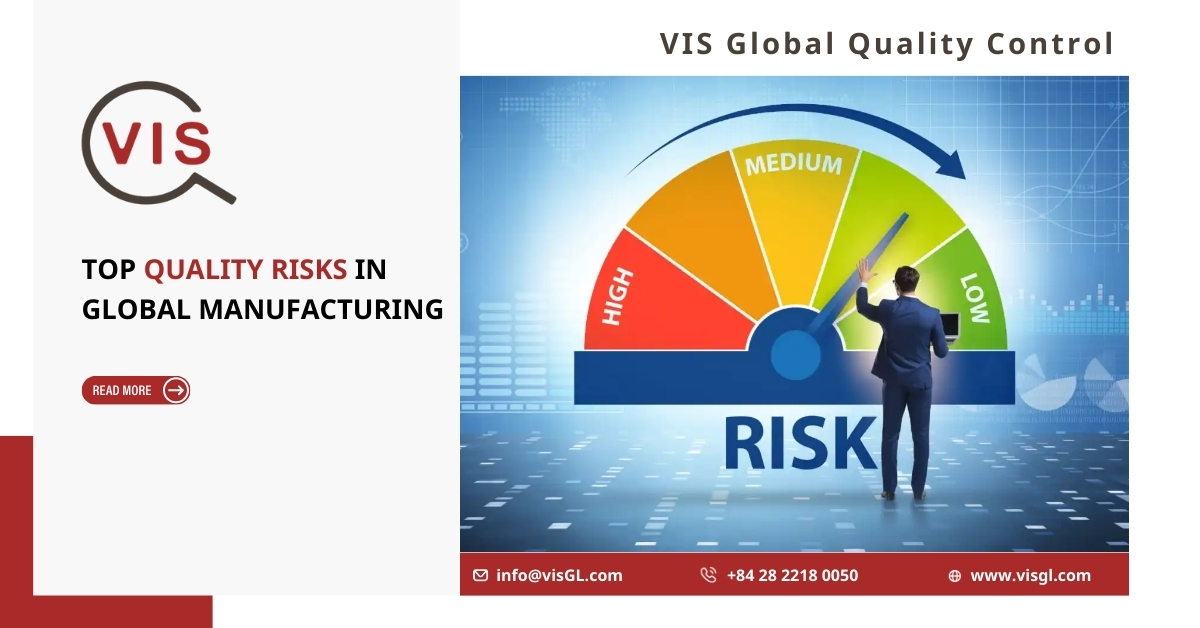
Global manufacturing plays a critical role in modern supply chains, yet it operates within an environment filled with complex and evolving risks. Among these challenges, quality-related risks stand out as some of the most damaging, with the potential to disrupt production, compromise compliance, and negatively impact brand reputation. For manufacturers operating across borders, understanding these risks and implementing effective quality control measures is essential to sustaining long-term success.
Below are the most significant quality risks facing global manufacturing today and the reasons why professional inspection and quality control services are indispensable.
Supply Chain Disruptions and Inconsistent Materials
Global supply chains are increasingly vulnerable to disruptions caused by geopolitical instability, logistics delays, supplier failures, and raw material shortages. When manufacturers are forced to change suppliers or materials under time pressure, product quality can become inconsistent. Without thorough inspection and verification, substandard materials may enter production and lead to defects, rework, or customer complaints.

Cost Pressures and Material Substitution Risks
Fluctuating commodity prices and rising production costs often push manufacturers to seek lower-cost alternatives. While cost optimization is necessary, uncontrolled material substitution can significantly affect product performance, durability, and safety. Quality risks increase when changes are made without adequate testing, validation, and third-party inspection.
Regulatory Compliance Challenges
Manufacturers must comply with a wide range of international standards, safety regulations, and environmental requirements. Regulatory frameworks continue to evolve, and failure to keep pace can result in non-compliance, penalties, shipment rejections, or forced product modifications. Strong quality management systems and independent inspections help ensure products consistently meet applicable regulations in target markets.
Cybersecurity and Digital Manufacturing Risks
The adoption of automation, smart factories, and connected production systems has introduced new quality risks related to cybersecurity. Unauthorized access, data manipulation, or system failures can directly affect production parameters, leading to defective products or loss of traceability. Protecting digital systems is now a critical component of quality assurance in modern manufacturing.
Supplier and Third-Party Quality Risks
Global manufacturing relies heavily on third-party suppliers for components, raw materials, and subcontracted processes. Limited visibility into supplier operations increases the risk of non-conforming products entering the supply chain. Inadequate supplier controls, poor process discipline, and inconsistent standards can compromise final product quality unless managed through audits, inspections, and clear quality requirements.
Weak or Inconsistent Quality Control Processes
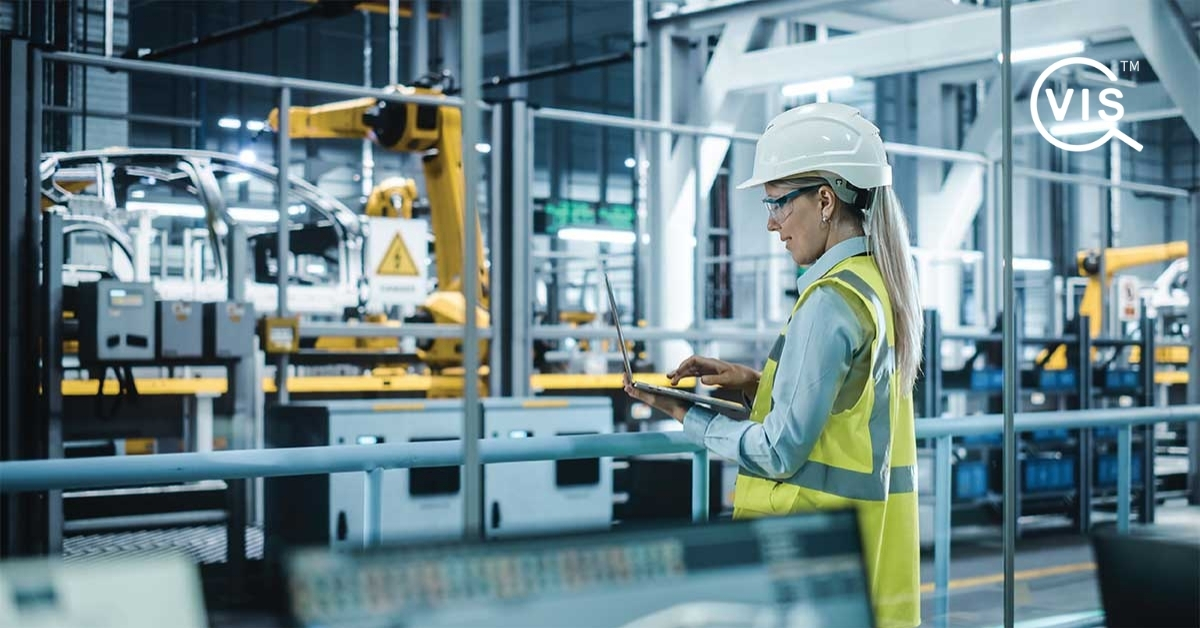
Insufficient inspection coverage, unclear specifications, or inconsistent quality procedures allow defects to go undetected during production. When quality checks are reactive rather than preventive, manufacturers face higher scrap rates, delayed shipments, and increased warranty claims. Structured inspection at every critical stage is essential to prevent quality failures.
Design and Pre-Production Quality Risks
Quality issues often originate during the design and prototyping phase. Designs that are not optimized for manufacturing, or prototypes that are insufficiently tested, can result in large-scale production defects. Early-stage inspections, design reviews, and validation testing are necessary to reduce the risk of costly corrections after mass production begins.
Environmental and Workplace Condition Risks
Manufacturing environments directly influence product quality. Poor control of factors such as cleanliness, temperature, humidity, and handling procedures can lead to contamination, damage, or performance issues. Regular on-site inspections help identify environmental risks before they affect product quality or worker safety.
Workforce Skill Gaps and Human Error
Labor shortages, high employee turnover, and insufficient training increase the likelihood of human error in production and inspection activities. Inconsistent workmanship and improper process execution can result in defects and quality deviations. Continuous training, clear work instructions, and independent quality checks are critical to minimizing human-related risks.
Product Recalls and Reputation Damage
When quality failures reach the market, the consequences can be severe. Product recalls, legal claims, and loss of customer trust can cause long-term damage to a brand. Effective quality risk management, including traceability systems, root cause analysis, and preventive inspections, significantly reduces the likelihood of defective products reaching end users.
Conclusion
In today’s global manufacturing environment, quality risks are unavoidable, but they are manageable with the right expertise and controls in place. Proactive quality assurance, independent inspections, and structured risk mitigation strategies are no longer optional—they are essential for maintaining competitiveness and protecting brand integrity.
VIS Global Quality Control supports manufacturers worldwide by delivering reliable inspection services, supplier quality oversight, and risk-focused quality solutions. Through systematic inspection, objective evaluation, and deep industry expertise, VIS helps manufacturers prevent defects, ensure compliance, and maintain consistent product quality across global supply chains.
VIS Global Quality Control – safeguarding quality, minimizing risk, and enabling confidence in global manufacturing.
