
 Info@visgl.com














Inspection News
Understanding AQL: How Buyers Decide Pass or Fail
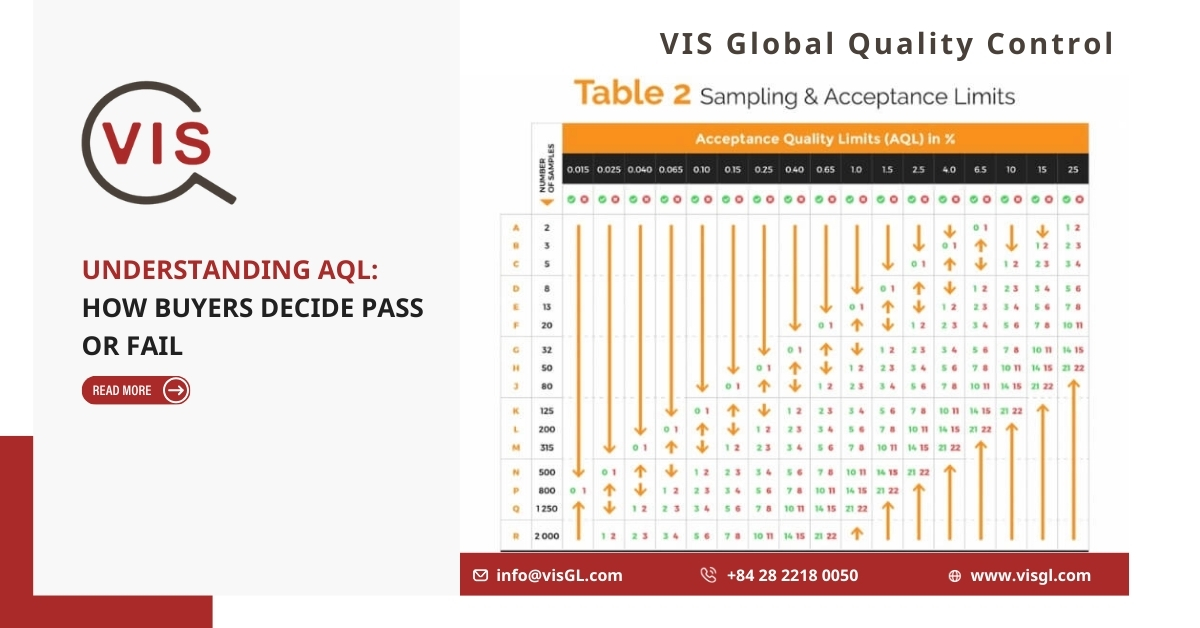
In global manufacturing and supply chain management, ensuring consistent product quality is a critical priority for buyers. One of the most commonly used tools to evaluate product quality during inspections is AQL – Acceptable Quality Level. AQL provides a structured, statistical approach that helps buyers determine whether a shipment should be accepted or rejected based on inspection results.
Rather than inspecting every single unit in a production batch, AQL enables buyers to make reliable quality decisions through sampling. This method balances efficiency, cost control, and quality assurance, making it a standard practice in international trade and manufacturing.
What Is AQL and Why Is It Important?
The Acceptable Quality Level (AQL) represents the maximum number of defective units that can be considered acceptable in a batch for inspection purposes. It does not imply that defects are expected or desired; instead, it reflects a tolerance level agreed upon between buyers and suppliers for quality evaluation.
AQL is expressed as a percentage or ratio. For example, an AQL of 1.5 means that, statistically, up to 1.5% of inspected items may contain defects without causing the shipment to fail the inspection. If the number of defects found exceeds this limit, the batch may be rejected.
For buyers, AQL offers a practical way to assess quality without the time and expense of inspecting every product. For suppliers, it provides a clear and measurable standard that defines acceptable quality expectations.
How AQL Sampling Works
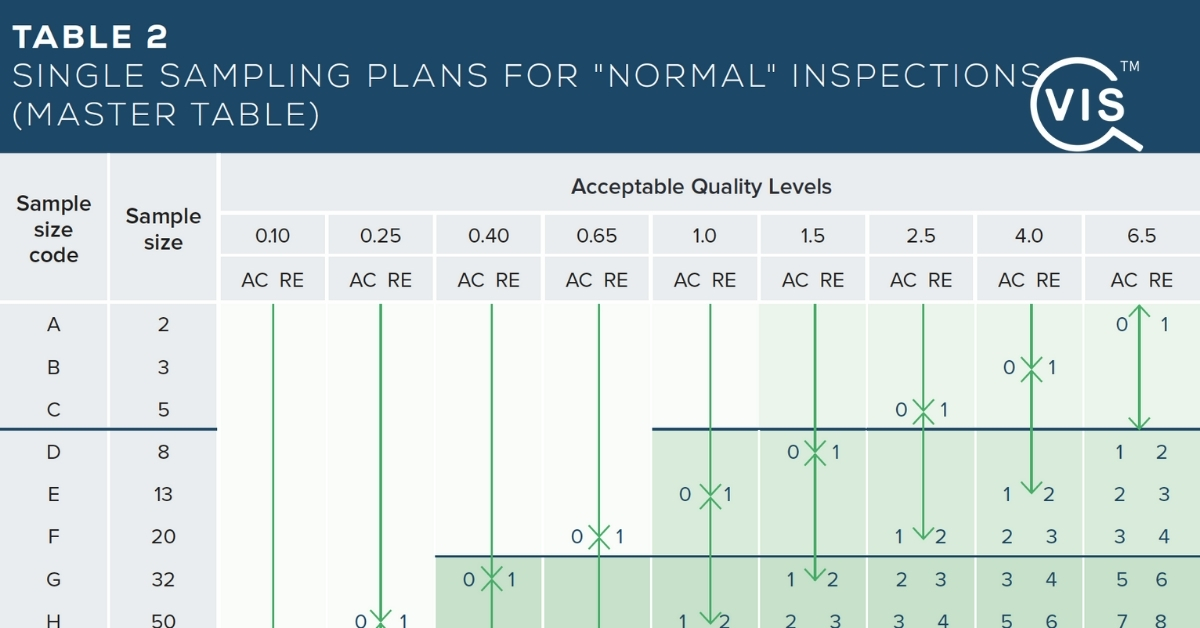
AQL is applied through a structured acceptance sampling process. During an inspection, a specific number of units are randomly selected from the total shipment and examined for defects. The inspection process follows three key elements:
- Lot Size and Sample Size: The total quantity of products determines how many units must be inspected. Larger shipments require larger samples to ensure statistical reliability.
- Inspection Level: Inspection levels define the intensity of the inspection. General inspection levels are commonly used, with Level II being the most widely applied for routine product inspections.
- AQL Values for Defect Categories: Defects are usually classified into three categories:
- Critical defects – defects that may cause safety hazards or violate regulations
- Major defects – defects that affect product function or customer satisfaction
- Minor defects – cosmetic or small issues that do not affect performance
Each defect category is assigned its own AQL value based on risk and buyer requirements.
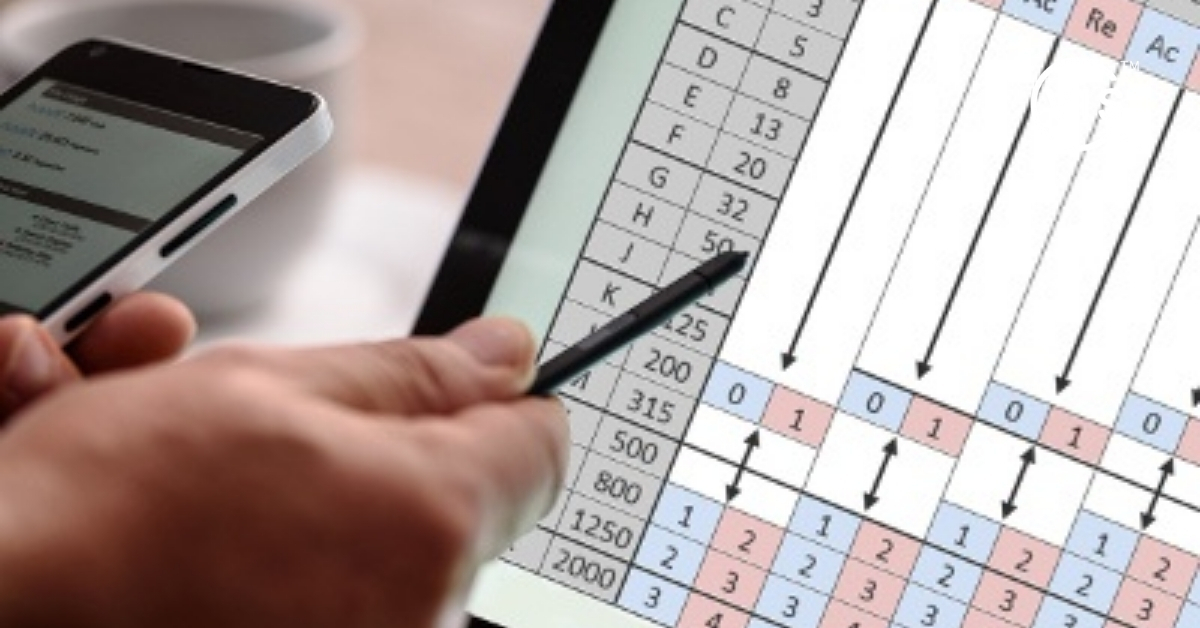
Using standardized AQL tables, inspectors compare the number of defects found in the sample with the allowed acceptance and rejection numbers. These tables provide a clear threshold that determines whether the batch passes or fails the inspection.
How Buyers Decide Pass or Fail
After completing the inspection, the results are evaluated against the agreed AQL criteria:
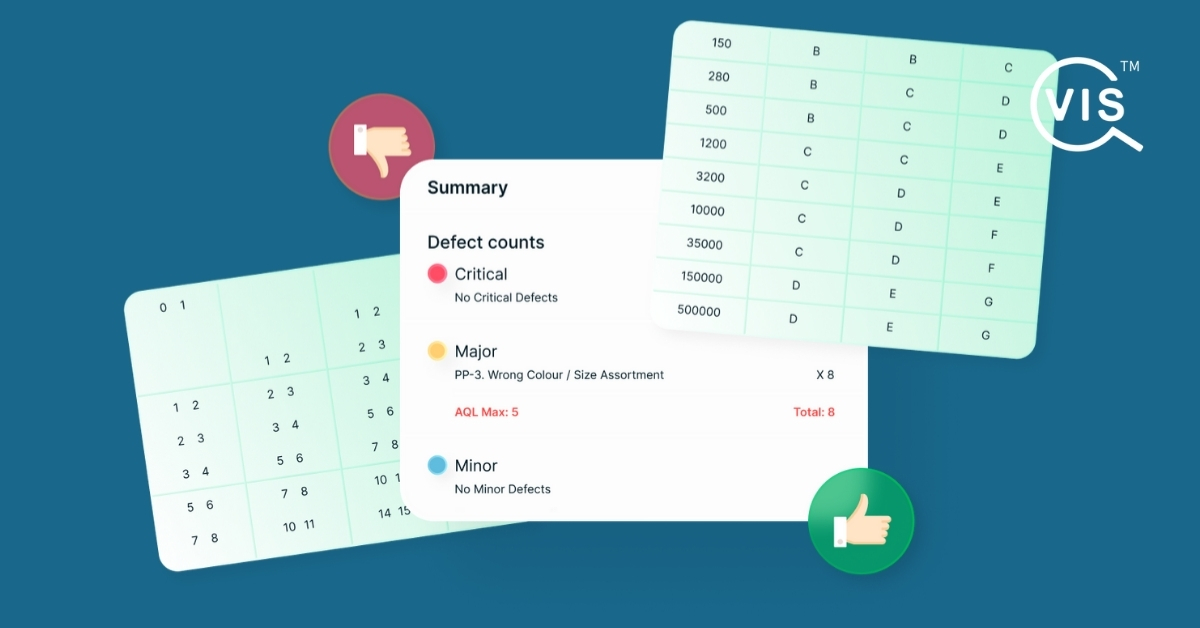
- Pass Result: If the number of detected defects remains within the acceptable limits defined by the AQL, the shipment is considered acceptable from a sampling perspective.
- Fail Result: If the defect count exceeds the allowable limit, the inspection fails. Buyers may reject the shipment, request rework, or require corrective actions before approval.
It is important to understand that AQL is not a guarantee that a shipment is defect-free. Instead, it is a risk-based decision-making tool that allows buyers to manage quality expectations while controlling inspection costs.
AQL Is Not the Only Decision Factor
While AQL plays a critical role in inspection results, it is not always the sole determinant of acceptance or rejection. Buyers often combine AQL sampling with additional evaluation criteria, such as:
- Functional and performance testing
- Safety and regulatory compliance checks
- Packaging, labeling, and quantity verification
- Buyer-specific quality requirements or contractual terms
A shipment may pass AQL sampling but still be rejected if it fails to meet these additional requirements. Conversely, buyers may accept a shipment with minor AQL deviations depending on urgency, risk level, or prior supplier performance.
Strategic Use of AQL in Quality Control
At Vis Global Quality Control, AQL is viewed as a strategic quality management tool rather than a simple pass-or-fail formula. Selecting the right AQL levels depends on product type, market expectations, regulatory requirements, and risk tolerance.
For high-risk or safety-sensitive products, buyers typically apply stricter AQL standards or additional inspections. For lower-risk consumer goods, a more flexible AQL approach may be appropriate to maintain efficiency while still protecting product quality.
By clearly defining AQL requirements before production and applying them consistently during inspections, buyers can make objective decisions, reduce disputes with suppliers, and maintain reliable quality standards across global supply chains.
