
 Info@visgl.com












Regulations News
Vietnam Introduces Electronic Vehicle Inspection Certificates from March 1
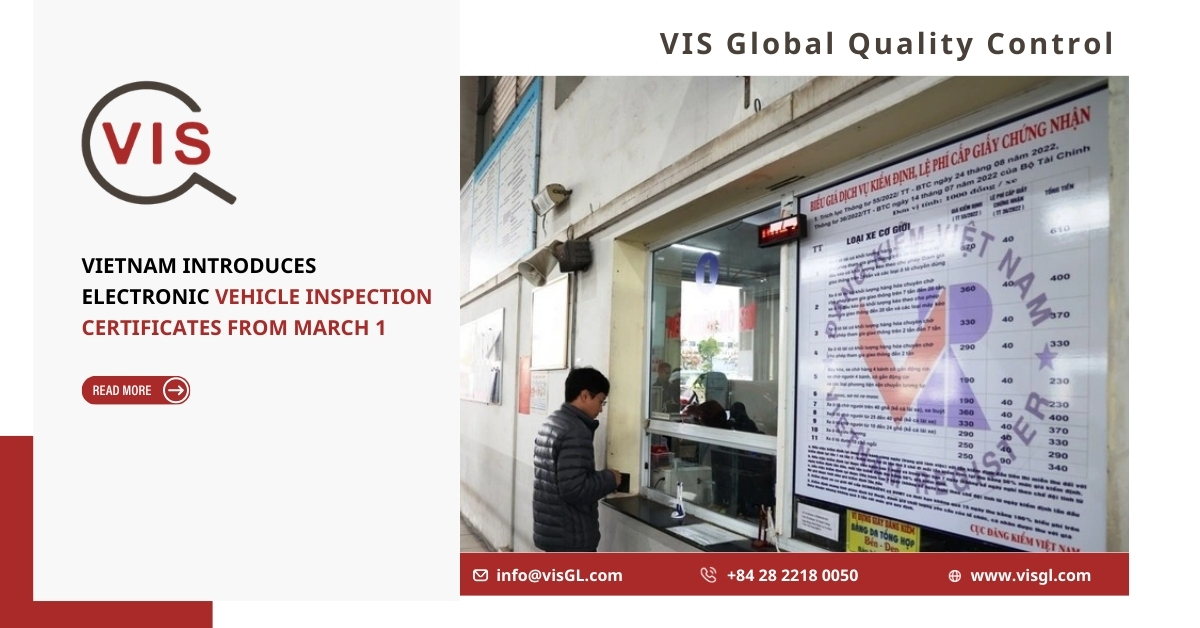
Starting March 1, Vietnam Register will officially issue electronic vehicle inspection certificates for cars and specialised motorbikes across the country. This new system is designed to strengthen transparency, reduce document forgery, and lower administrative costs for both authorities and vehicle owners.
According to information submitted to the Ministry of Construction, Vietnam Register has completed the necessary investment in software systems and digital infrastructure to support the nationwide rollout. From the beginning of next month, inspection centres throughout Vietnam will begin providing digital certificates for technical safety and environmental protection inspections.

Each electronic certificate will include a QR code that links directly to the official digital record stored on the Vietnam Register website. This allows vehicle owners, authorities, and relevant stakeholders to verify the document quickly and securely. In addition, the certificate will clearly show the vehicle’s emissions rating, in line with Prime Minister’s Decision No. 43/2025/QD-TTg.
Although the digital format will become the standard, vehicle owners who still need a physical copy can request one directly at the inspection centre. The paper version will be printed from the official system and stamped in accordance with current regulations. Owners will also be able to access and print their inspection certificate themselves through the online database whenever needed.
Vietnam Register has also confirmed that inspection data has already been synchronised with the Ministry of Construction’s database and shared with the Ministry of Public Security. To further improve convenience and real-time data access, the agency has proposed deeper integration of electronic certification data into Vietnam’s national digital identification platforms, including VNeID and VNeTraffic.
This integration is expected to improve the accuracy, completeness, and timeliness of inspection records. As a result, vehicle verification will become faster and more reliable for citizens, inspection authorities, and law enforcement agencies alike.
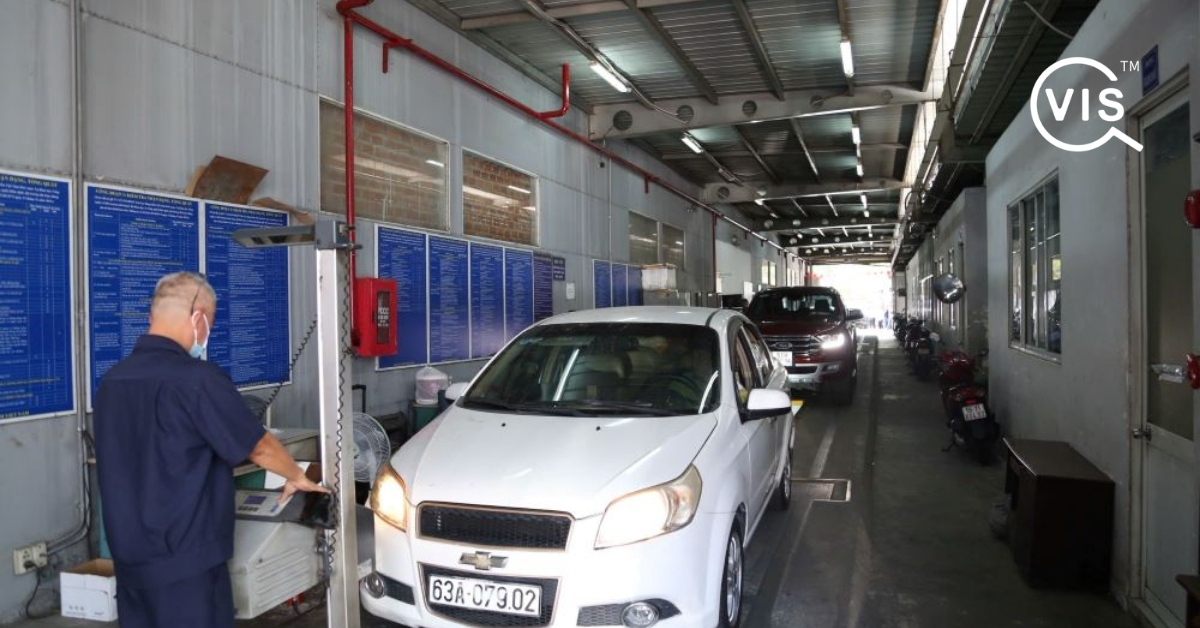
From both an economic and regulatory perspective, the transition to electronic inspection certificates brings clear advantages. It can significantly reduce the cost of printing millions of paper certificates every year, while also helping prevent common issues such as forged documents, lost paperwork, or damaged certificates during use.
For businesses operating in inspection services, quality assurance, and compliance management, this policy shift also reflects a broader trend: Vietnam is accelerating its adoption of digital systems to improve accountability, traceability, and operational efficiency. For organisations such as Vis Global Quality Control, developments like this highlight the growing importance of trusted inspection processes, transparent documentation, and modern quality control standards in today’s regulatory environment.
As digital transformation continues across inspection and compliance sectors, electronic certification is becoming more than just a convenience. It is part of a larger movement toward smarter verification systems, stronger fraud prevention, and more efficient public service delivery in Vietnam.
