
 Info@visgl.com












Inspection News
Why Factory Location Matters in Product Quality
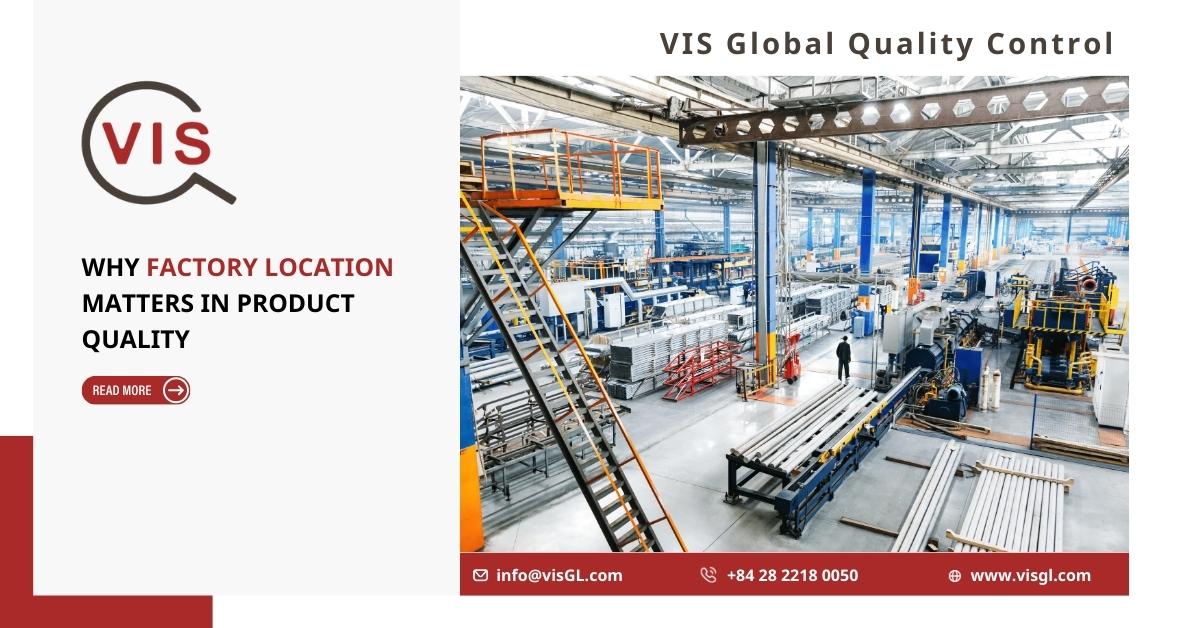
In global manufacturing and supply chains, product quality is often discussed in terms of materials, processes, standards, and inspection systems. However, one critical factor is frequently underestimated: factory location.
For manufacturers, buyers, and inspection service providers alike, where a factory is located can directly influence product consistency, compliance, risk exposure, and long-term business performance.
At VIS Global Quality Control, we regularly observe how factory location plays a decisive role in determining inspection outcomes and overall quality reliability.
Factory Location and Supply Chain Stability
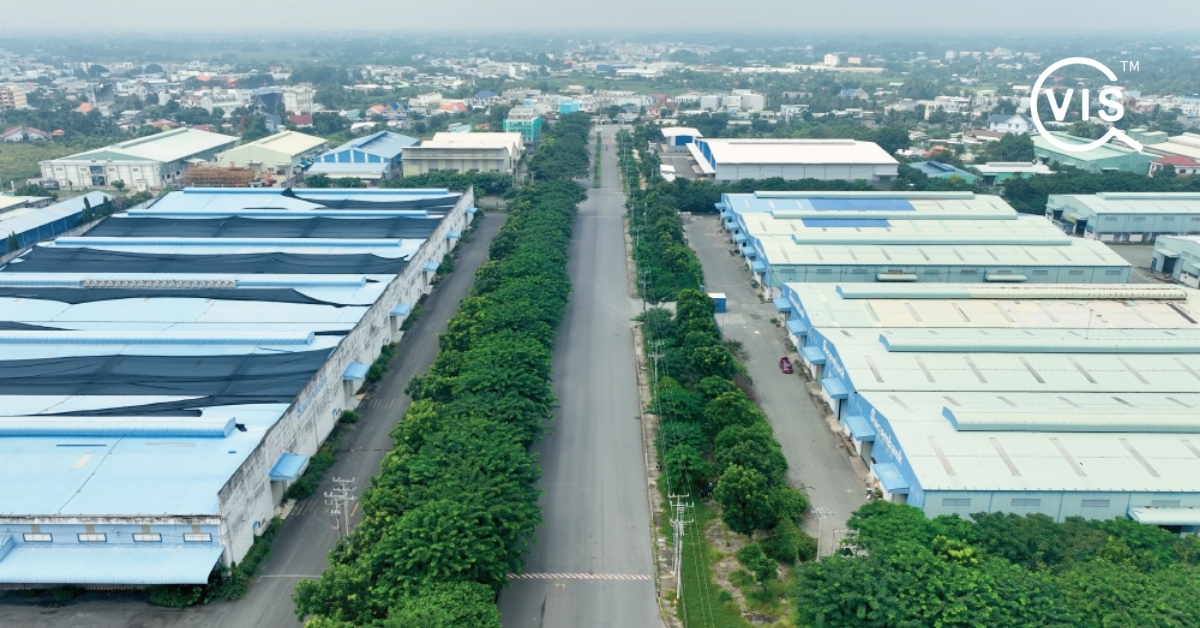
A well-chosen factory location strengthens supply chain stability. Factories located near key suppliers, logistics hubs, ports, and transportation networks benefit from smoother material flows and reduced lead times.
When raw materials arrive on time and finished goods move efficiently, production schedules remain stable, reducing rushed manufacturing that often leads to defects.
Conversely, factories in poorly connected locations may face frequent delays, forcing last-minute production adjustments that compromise quality control and increase non-conformance risks.
Impact on Labor Availability and Skill Levels
Factory location directly affects access to skilled labor. Industrial zones with a strong manufacturing ecosystem tend to attract experienced workers, technicians, and quality supervisors.
A stable and skilled workforce ensures better process control, fewer human errors, and consistent adherence to quality standards.
Factories in remote or underdeveloped areas may struggle with high labor turnover, insufficient training, or skill shortages—factors that significantly increase quality variation and inspection failure rates.
Regulatory Environment and Compliance Risks
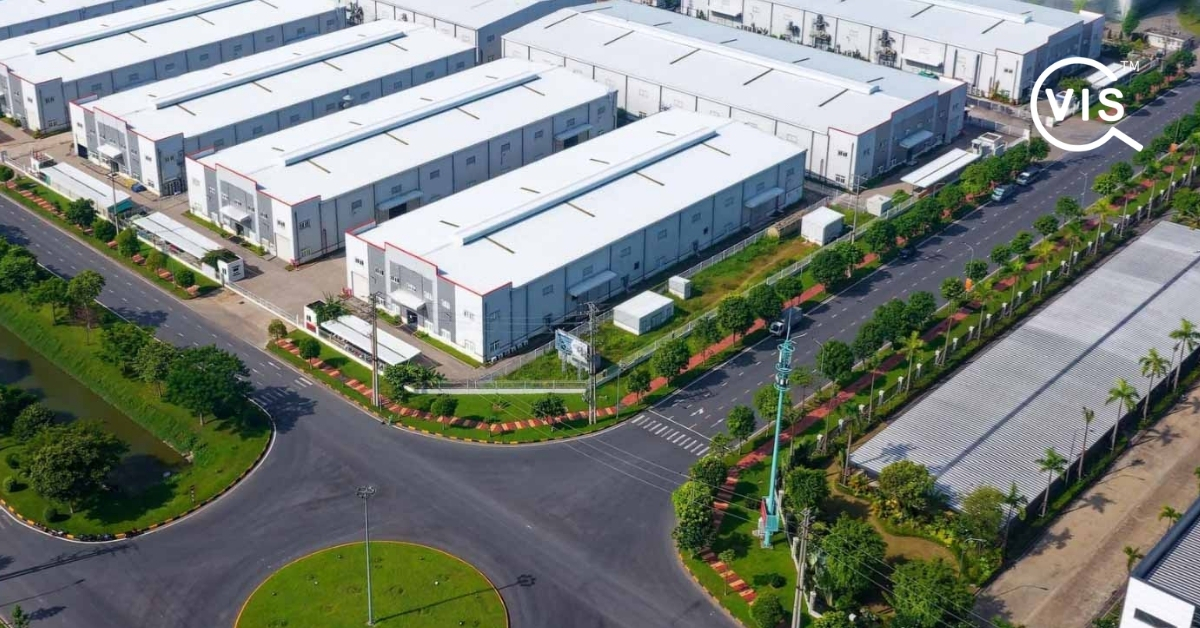
Local regulations, enforcement intensity, and industrial governance vary significantly by location. Factories operating in established industrial parks or export-oriented zones are often subject to stricter oversight, clearer compliance requirements, and better infrastructure support.
This regulatory maturity encourages factories to maintain proper documentation, safety standards, and quality systems—making inspections more predictable and transparent.
In contrast, factories located in loosely regulated areas may face inconsistent enforcement, increasing compliance risks for buyers and importers.
Infrastructure Quality and Production Conditions
Infrastructure quality is another location-dependent factor that directly impacts product quality. Reliable electricity, clean water supply, waste treatment systems, and stable internet connectivity are essential for modern manufacturing.
Poor infrastructure can cause equipment interruptions, unstable production environments, and inadequate environmental controls—leading to defects, contamination, or inconsistent product performance.
Inspection teams frequently identify quality issues that trace back not to production capability, but to infrastructure limitations tied to factory location.
Logistics Efficiency and Product Integrity
Factory proximity to ports, airports, and logistics centers reduces transportation time and handling complexity. Shorter transit routes lower the risk of product damage, moisture exposure, or temperature fluctuations—especially for sensitive goods.
Efficient logistics also enable faster inspections, quicker corrective actions, and smoother coordination between manufacturers, buyers, and quality control teams.
From an inspection standpoint, accessible factory locations allow more frequent audits and timely on-site evaluations, strengthening overall quality assurance.
Cost Structure and Long-Term Quality Investment
While factories in prime locations may have higher rental or operating costs, these expenses are often offset by improved efficiency, reduced rework, and lower defect rates. Manufacturers in well-developed locations are more likely to invest in quality systems, inspection readiness, and process optimization, knowing they operate within competitive, high-standard environments.
Cheaper locations may reduce short-term costs but often introduce hidden quality risks that surface during inspections, customer audits, or post-shipment claims.
Risk Management and Inspection Effectiveness
For inspection and quality control services, factory location influences inspection feasibility, response time, and overall risk management. Factories located in accessible, industrially mature areas allow inspectors to conduct thorough evaluations, follow-up inspections, and corrective action verification without logistical barriers.
Difficult-to-reach locations can limit inspection scope, delay interventions, and increase uncertainty—especially for time-sensitive shipments or high-risk products.
Strategic Advantage for Global Buyers
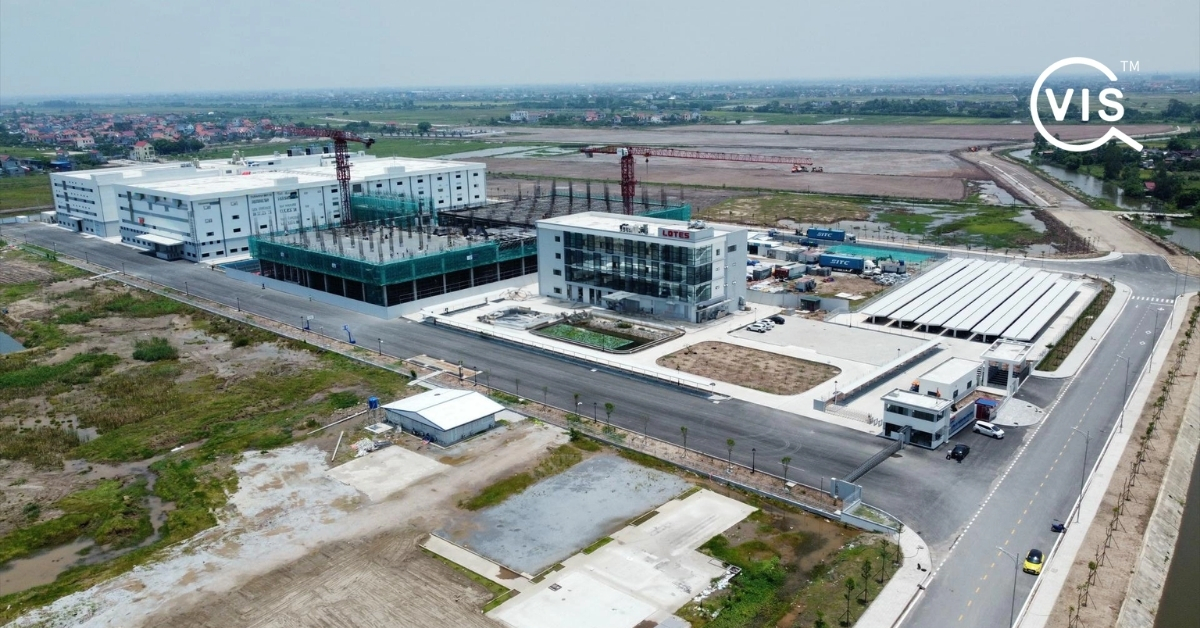
For global buyers, factory location is not merely a logistical consideration—it is a strategic quality decision. Choosing manufacturers in the right locations reduces inspection complexity, improves compliance reliability, and protects brand reputation.
A strong factory location supports transparent production, consistent quality outcomes, and smoother collaboration between manufacturers, buyers, and third-party inspection providers.
Conclusion
Factory location plays a foundational role in shaping product quality, operational stability, and inspection effectiveness. From labor quality and infrastructure to logistics efficiency and regulatory compliance, location influences every stage of the manufacturing and quality control process.
At VIS Global Quality Control, we emphasize evaluating factory location as part of any inspection or supplier assessment strategy. Understanding where production takes place is essential to managing quality risks, ensuring compliance, and achieving long-term supply chain success.
