
 Info@visgl.com











Inspection News
Why Full Inspection (100% Inspection) Is Essential for Effective Product Quality Control
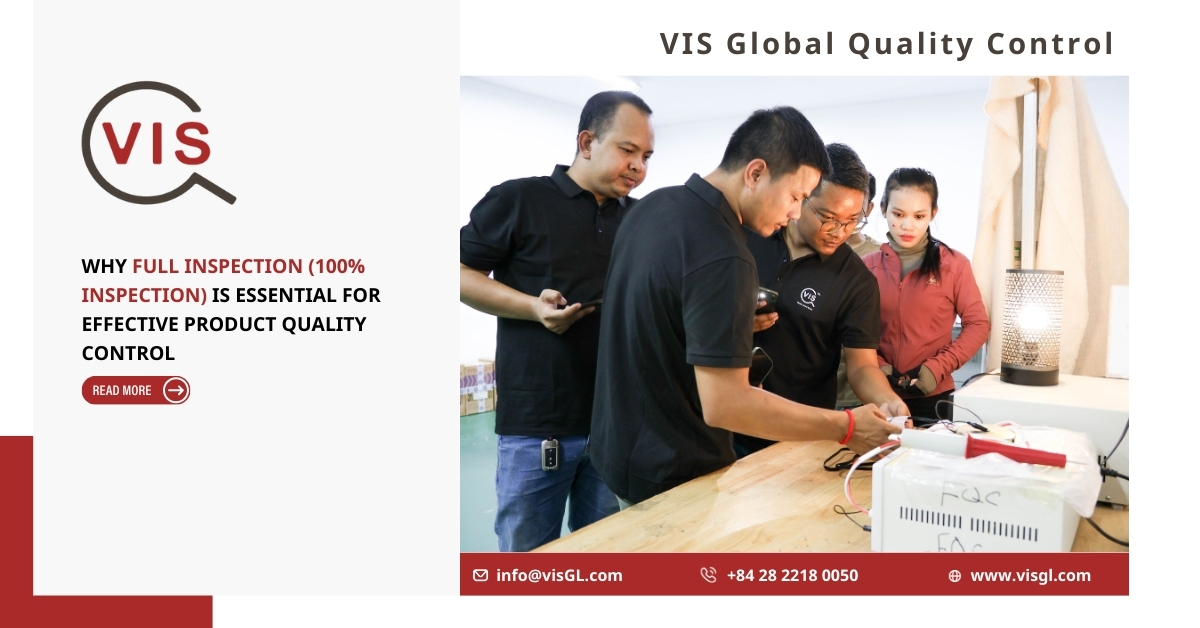
In global manufacturing and international trade, product quality plays a critical role in ensuring customer satisfaction, protecting brand reputation, and reducing the risk of costly returns or recalls. One of the most effective and reliable methods to ensure that products consistently meet required standards is full inspection, also referred to as 100% inspection. This comprehensive quality control process involves examining every single item within a production batch to verify conformity with specifications, functionality, and quality requirements.
At VIS Global Quality Control, full inspection is a key service designed to help manufacturers and buyers mitigate risk and maintain complete confidence in their products. In this article, we explain what full inspection is, how it works, and why it is a vital component of an effective quality control strategy.
What Is Full Inspection?
Full inspection is a detailed and exhaustive quality control procedure in which every individual product in a batch is inspected to confirm compliance with predefined quality standards, safety regulations, and functional requirements. Unlike sampling inspections that assess only a portion of the production lot, full inspection ensures that no unit is overlooked.
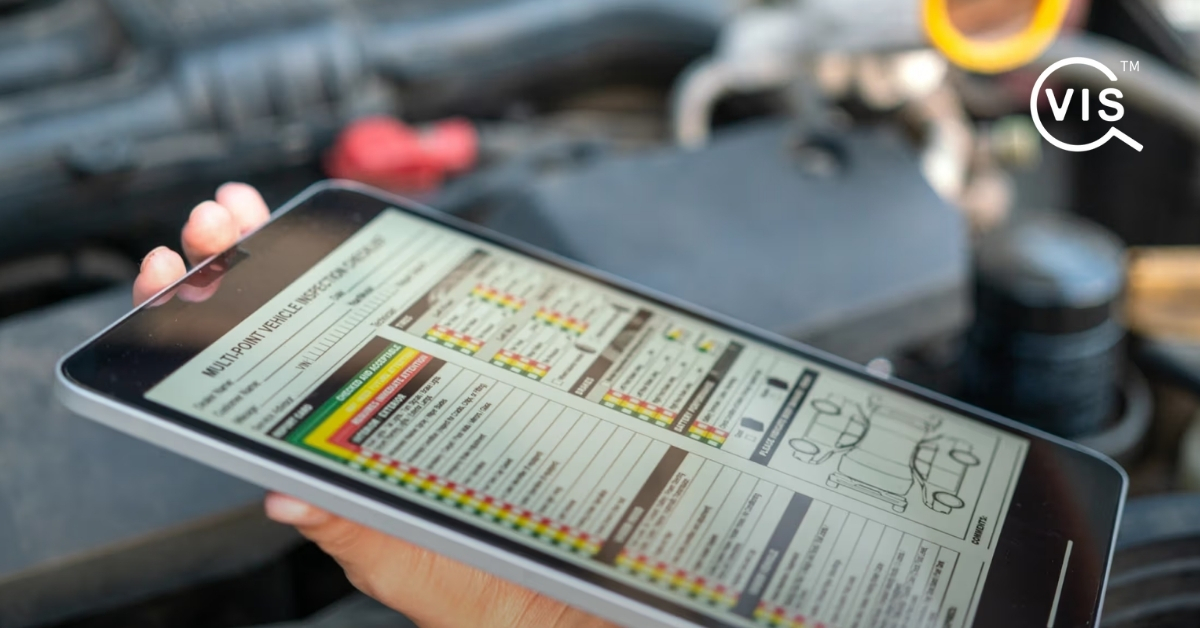
This inspection method is particularly suitable for high-risk and high-responsibility industries where even a single defective product can lead to serious consequences, including safety hazards, regulatory violations, or significant damage to brand credibility.
Why Is Full Inspection Necessary?
Ensuring Consistent Quality Across Every Unit
Full inspection ensures that every product meets the same quality criteria, eliminating inconsistencies that may affect performance or user experience. For manufacturers and buyers alike, this guarantees uniform quality across the entire shipment.
Reducing the Risk of Defective Products Reaching Customers
Even one defective unit can result in customer complaints, returns, or legal disputes. By implementing full inspection, businesses significantly reduce the risk of defective products entering the market, ensuring that only compliant and reliable goods are delivered.
Compliance with Regulatory Standards
Industries such as electronics, medical devices, food, and consumer goods are subject to strict regulatory requirements. Full inspection ensures that every unit complies with applicable safety, environmental, and performance regulations, helping companies avoid penalties or regulatory issues.
Building Customer Confidence and Trust
Brands that consistently deliver high-quality products earn stronger customer trust and loyalty. A 100% inspection demonstrates a company’s commitment to quality assurance, reinforcing confidence among clients and end users.
Reducing Costs Over Time
Although full inspection requires greater initial investment in time and manpower, it helps prevent expensive downstream costs related to returns, recalls, and reputational damage, making it a cost-effective solution in the long term.
How Does Full Inspection Work?
The full inspection process at VIS Global Quality Control follows a structured and systematic approach based on clearly defined inspection standards.

Inspection Criteria Definition
Before inspection begins, clear criteria are established to define acceptable quality levels and identify potential defects. These criteria may include appearance, dimensions, functionality, packaging, labeling, and safety requirements.
Product Evaluation
Each product is inspected individually by trained inspectors. This includes visual checks for cosmetic defects, functional testing to verify performance, and safety inspections to ensure compliance with relevant standards.
Testing and Verification
For more complex products, additional testing may be conducted during full inspection. This can include performance testing, durability checks, stress testing, or verification under specific operating conditions.
Packaging and Labeling Checks
Inspectors also assess product packaging and labeling to ensure accuracy, compliance with specifications, and adherence to legal and customer requirements.
Reporting and Documentation
Once inspection is completed, a comprehensive inspection report is issued. The report documents findings, identifies defects or non-conformities, and serves as a reference for corrective actions and quality improvement.
Benefits of Full Inspection
Eliminates the Risk of Product Defects
By inspecting every unit, full inspection effectively eliminates the risk of defective products being shipped, ensuring only compliant products reach customers.
Improves Customer Satisfaction
Consistently defect-free products result in higher customer satisfaction, fewer complaints, reduced returns, and improved long-term business relationships.
Enhances Brand Reputation
Companies that consistently deliver high-quality products strengthen their brand image and market position. A 100% inspection program clearly demonstrates a strong commitment to quality and reliability.
Minimizes Legal and Compliance Risks
For regulated industries, failure to meet standards can result in fines, recalls, or legal action. Full inspection helps ensure full compliance and reduces exposure to legal risks.
Cost-Effective Quality Assurance
While full inspection requires more resources than sampling inspections, it helps avoid the high costs associated with defective products, making it a financially sound quality control strategy over time.
When Should You Choose Full Inspection?
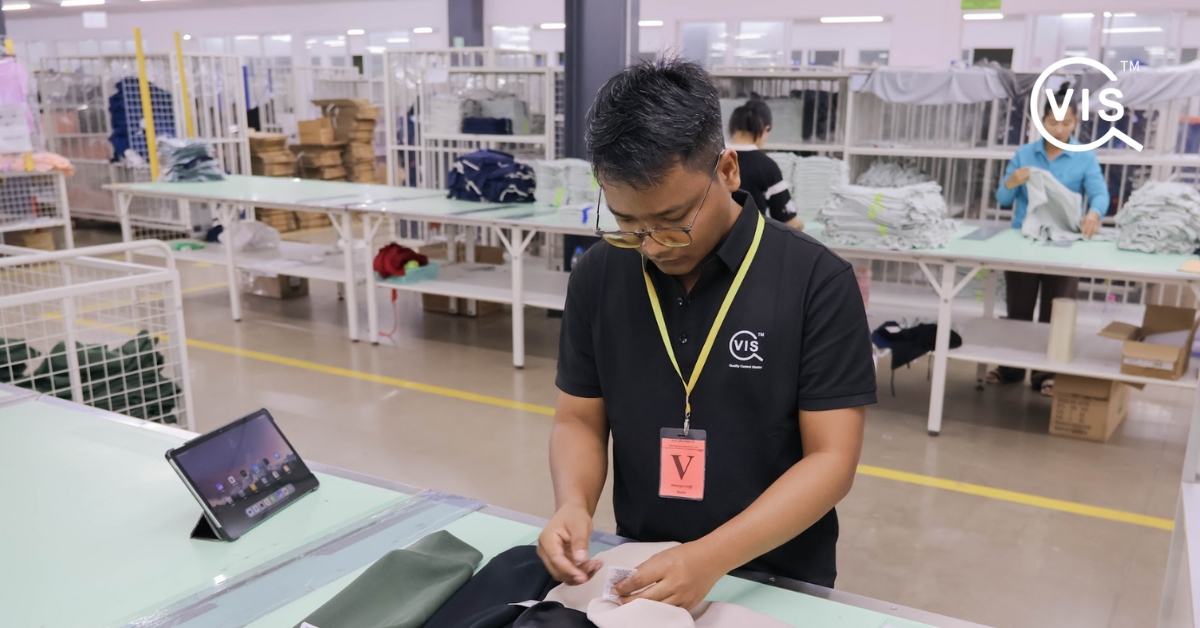
Full inspection is especially recommended in the following situations:
High-Value Products
Luxury goods, precision equipment, and high-value items require strict quality control. Full inspection minimizes the risk of costly defects.
Safety-Critical Products
Products used in medical, pharmaceutical, automotive, or safety-related applications should always undergo full inspection to prevent serious consequences.
Regulatory Compliance Requirements
Industries with strict regulatory standards benefit from 100% inspection to ensure every unit meets legal and certification requirements.
High Customer Quality Expectations
When customers demand superior quality and consistency, full inspection becomes essential to maintaining trust and competitiveness.
Conclusion
Full inspection is a vital quality control method that ensures every product meets the highest standards before reaching the market. By implementing a comprehensive 100% inspection process, VIS Global Quality Control helps manufacturers and buyers reduce risks, improve customer satisfaction, and maintain full compliance with regulatory requirements.
Across industries such as electronics, automotive, food, and consumer goods, full inspection remains a cornerstone of effective quality assurance and long-term business success.
Contact VIS Global Quality Control today to learn more about our Full Inspection (100% Inspection) services and ensure consistent product quality.
