
 Info@visgl.com











Inspection News
Why Quality Issues Still Happen Even with In-House QC Teams

In today’s highly competitive manufacturing environment, many companies invest heavily in building in-house Quality Control (QC) teams. These teams are expected to safeguard product quality, ensure compliance, and prevent costly defects before products reach the market. However, despite having internal QC structures in place, quality issues continue to occur across industries. Understanding why this happens is critical for manufacturers aiming to strengthen their quality management systems and reduce risk.
Below are the key reasons quality problems can persist – even with in-house QC teams.
7 Issues Happen Even with In-House QC Teams
Limited Independence and Objectivity
One of the most common challenges of in-house QC teams is a lack of full independence. Internal inspectors often operate under the same management structure as production teams. This can unintentionally create pressure to prioritize output, delivery schedules, or cost targets over strict quality enforcement.

In such environments, quality findings may be softened, delayed, or overlooked to avoid disrupting production timelines. Over time, this compromises the effectiveness of the QC process and allows recurring issues to go unresolved.
Familiarity Breeds Blind Spots
In-house QC personnel work with the same processes, products, and suppliers on a daily basis. While familiarity can improve efficiency, it can also lead to assumptions and blind spots. Repetitive exposure may reduce the likelihood of questioning long-standing practices, even when those practices no longer meet evolving quality standards or customer expectations.
As a result, systemic issues may go unnoticed simply because “this is how it has always been done.”
Insufficient Training and Technical Depth
Quality requirements are constantly evolving due to changes in regulations, customer specifications, materials, and manufacturing technologies. Many in-house QC teams do not receive continuous, industry-benchmark training to keep pace with these changes.
Without regular upskilling, inspectors may lack the technical depth needed to detect complex defects, interpret updated standards, or properly assess process risks – especially in specialized or highly regulated industries.
Inconsistent Inspection Methodologies
Standardization is essential for reliable quality control. However, internal QC teams often rely on informal or inconsistent inspection methods that vary by individual inspector or production shift. This inconsistency can lead to uneven quality decisions, missed defects, and unreliable inspection data.
Without clearly documented procedures, calibrated tools, and objective acceptance criteria, quality outcomes become subjective rather than measurable.
Resource Constraints and Workload Pressure
In-house QC teams are typically sized based on budget considerations rather than actual production risk. During peak production periods, inspectors may be required to cover multiple lines, processes, or shipments simultaneously.
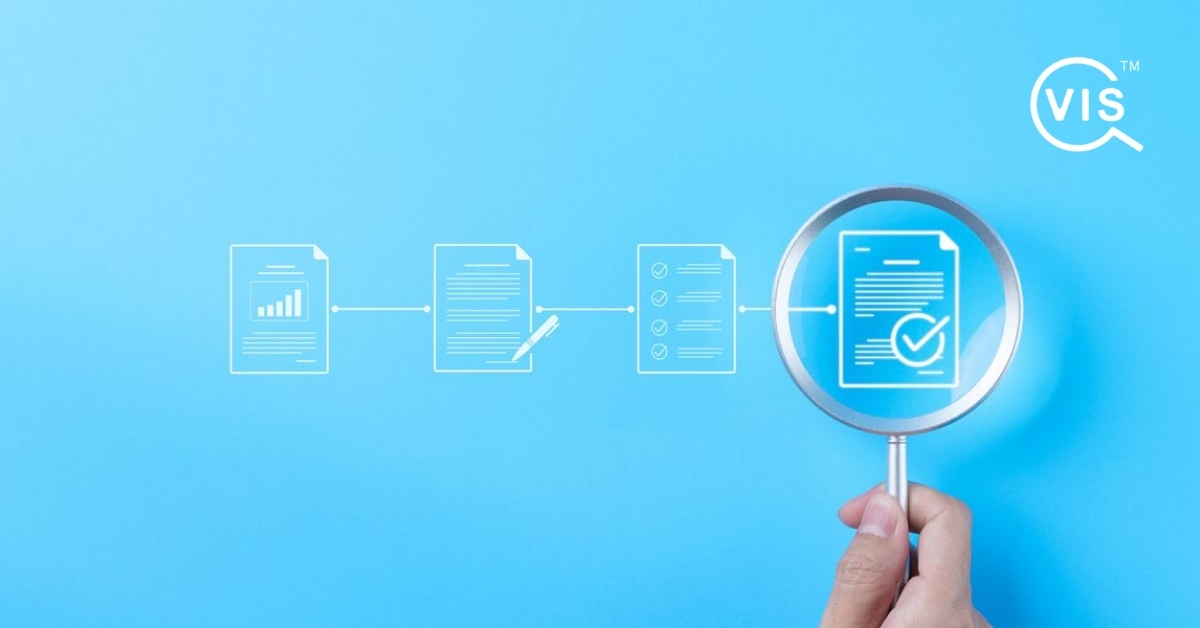
High workloads reduce inspection depth and increase the likelihood of sampling errors, rushed decisions, or skipped checkpoints – allowing defects to pass through undetected.
Lack of External Benchmarking
Internal teams often assess quality only against internal standards, which may not reflect broader industry best practices or international benchmarks. Without external comparison, manufacturers may assume their quality systems are effective, even when performance falls short of market expectations.
This gap becomes particularly evident when products fail third-party audits, customer inspections, or regulatory reviews.
Reactive Rather Than Preventive Focus
Many in-house QC teams operate in a reactive mode – identifying defects after they occur rather than preventing them at the source. When QC is positioned primarily as a “final gatekeeper” instead of an integrated risk-management function, root causes remain unaddressed.

True quality assurance requires proactive process evaluation, supplier oversight, and continuous improvement – not just end-of-line inspection.
Strengthening Quality Beyond In-House QC
In-house QC teams play an important role, but they are not a complete solution on their own. To effectively minimize quality risks, manufacturers should complement internal efforts with independent oversight, objective assessments, and industry-aligned methodologies.
Organizations like VIS Global Quality Control provide independent inspection, audit, and quality assurance services that enhance transparency, objectivity, and compliance across the supply chain. By combining internal knowledge with external expertise, companies can identify hidden risks, reinforce accountability, and achieve more consistent quality outcomes.
Conclusion
Quality issues persist not because in-house QC teams lack effort, but because structural, operational, and organizational limitations reduce their effectiveness. Independence, expertise, standardization, and preventive thinking are essential elements of a robust quality system. Addressing these gaps is key to protecting brand reputation, ensuring compliance, and delivering products that consistently meet market expectations.
