Pre-Shipment Inspection (PSI): Your Final Safeguard in Global Quality Control
Introduction
With over 15 years of hands-on experience managing quality inspection programs across Vietnam, China, India, and other key manufacturing hubs in Asia, I have consistently observed one critical reality: the most costly issues in global sourcing are those discovered only after goods have left the factory.
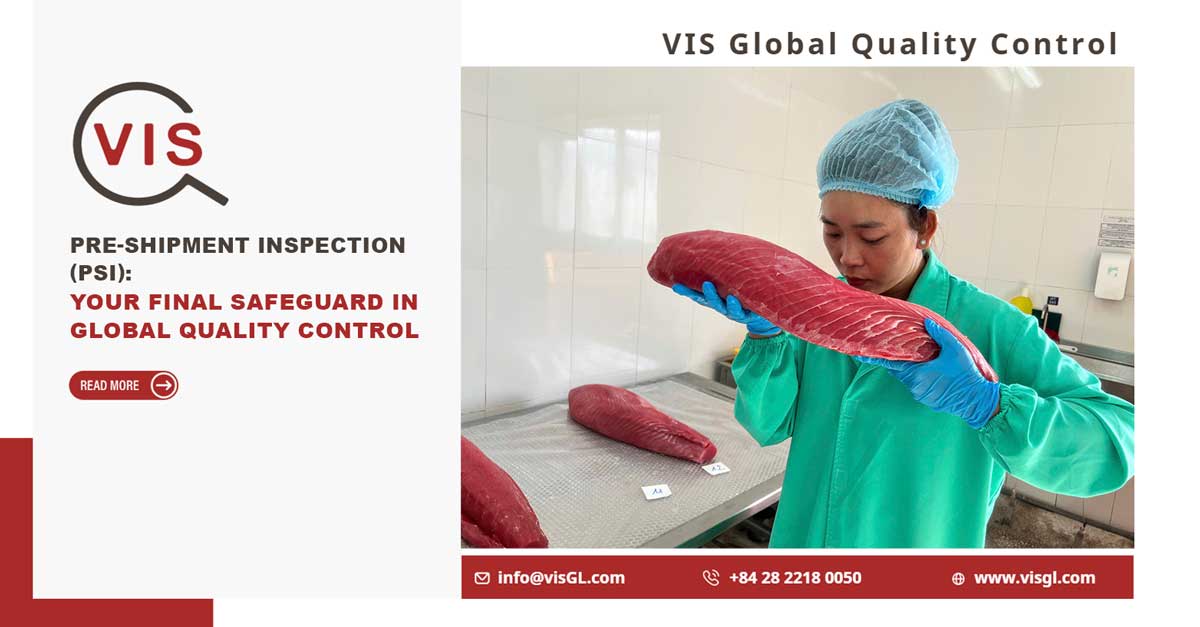
At VIS Global Quality Control, we have supported numerous international buyers in mitigating these risks through professional Pre-Shipment Inspection (PSI). Performed when 80–100% of production is completed and at least 80% of the goods are packed, PSI serves as the final, decisive checkpoint to verify product quality, quantity, packaging integrity, labeling accuracy, and regulatory compliance before shipment.
In an increasingly complex global supply chain environment, a thorough PSI is no longer optional — it is an essential risk management tool that protects both financial performance and brand reputation.
What Is Pre-Shipment Inspection and Why Does It Matter?
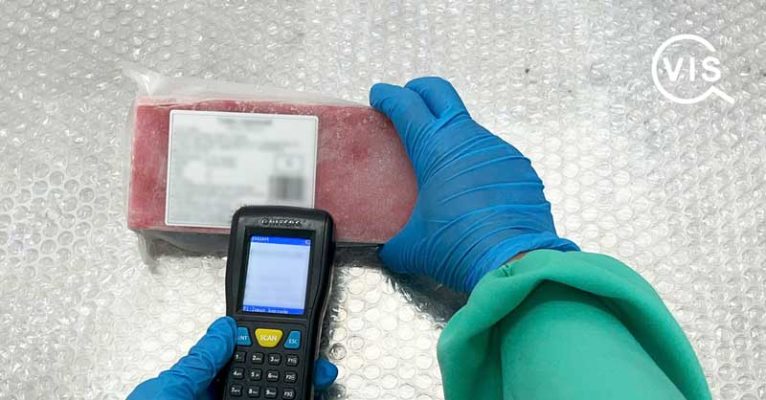
Pre-shipment inspection is a systematic third-party verification process performed on finished and packed goods. Unlike earlier checks, PSI gives you the clearest picture of what you’ll actually receive.
Key benefits include:
- Risk mitigation: Catch defects before shipping.
- Financial protection: Reduce the high cost of poor quality, which studies show can reach 15-20% of revenue through returns, rework, and brand damage.
- Compliance assurance: Meet destination market regulations (FDA, EPA, CE, etc.).
- Supplier accountability: Drive continuous improvement through clear, documented feedback.
Companies that implement consistent independent pre-shipment inspections typically achieve defect rate reductions of 10–15% or higher over time.
The Pre-Shipment Inspection Process: Step by Step
Here’s how a professional PSI typically unfolds:
- Scheduling & Preparation — Coordinate with your supplier and inspector once production hits the 80%+ threshold. Share detailed specifications, approved samples, and your custom checklist.
- Quantity Verification — Count cartons and units against the purchase order.
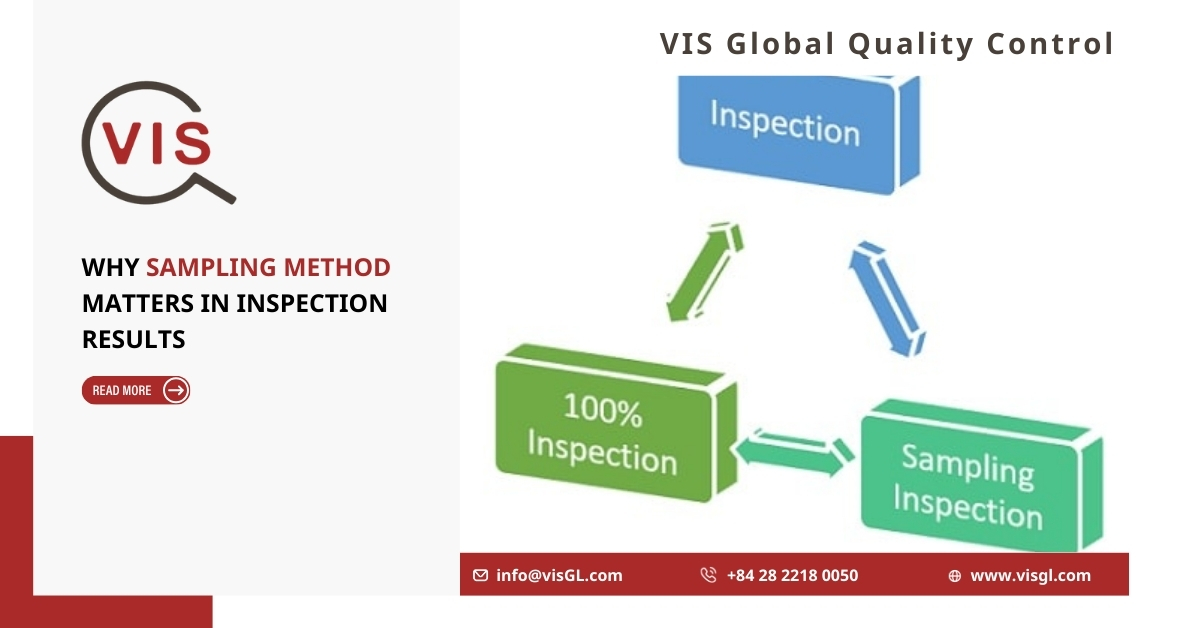
- Random Sampling — Use statistically valid methods (more on AQL below).
- Visual & Workmanship Inspection — Check appearance, finish, assembly, and defects.
- Functional & Performance Testing — Test products as they would be used.
- Packaging & Labeling Review — Verify protection, markings, and shipping compliance.
- Documentation Check — Review test reports, certificates, and packing lists.
- Reporting — Receive a detailed report with photos, videos, and pass/fail recommendation within 24 hours.
Understanding AQL Sampling in PSI
Professional inspectors follow ISO 2859-1 (international) and its U.S. equivalent ANSI/ASQ Z1.4. These standards use Acceptable Quality Limit (AQL) to determine sample size and acceptance criteria.
Common AQL levels:
- Critical defects: 0% (safety issues)
- Major defects: 1.0% – 2.5%
- Minor defects: 2.5% – 4.0%
For a shipment of 10,000 units at General Inspection Level II with AQL 2.5, you might inspect around 200 samples. If defects exceed the limit, the lot fails.
This approach provides reliable insight without checking every item, balancing cost and confidence.
Comprehensive Pre-Shipment Inspection Checklist
Use or adapt this practical checklist for your inspections:
- Quantity: Matches PO? Correct carton count and weights?
- Product Specifications: Dimensions, materials, colors, weight accurate?
- Workmanship: No scratches, dents, misalignments, or poor finishing?
- Functionality: Products perform as intended (on/off, assembly, etc.)?
- Safety & Compliance: Markings, warnings, certifications present?
- Packaging: Adequate protection? Cartons sturdy? Correct shipping marks?
- Labeling: Barcode, country of origin, instructions accurate?
- Visual Defects: Consistent color, no stains or damage?
- Documentation: Complete certificates and test reports?
Internal link: For issues caught earlier in production, see our guide to During Production Inspection (DPI).
Real Case Study: Electronics Importer Saves $85,000+
A European electronics distributor approached VIS Global for a $430,000 order of consumer gadgets from China. Previous shipments had 12-15% defect rates, causing returns and complaints.
We performed a PSI at 95% completion. Our team identified:
- Incorrect PCB components (major defect)
- Battery compartment fit issues
- Inconsistent packaging leading to transit damage risk
The supplier corrected issues before shipping. Post-implementation with regular VIS Global inspections, defect rates dropped from 8% to under 1.2% within three shipments. The client estimated savings of over $85,000 in one year from avoided returns and rework alone — far exceeding inspection costs.
Regulatory Compliance in PSI
PSI plays a vital role in meeting standards from authorities like the U.S. FDA (for food, cosmetics, devices) and EPA. Inspectors verify required markings, documentation, and safety features that prevent customs holds or recalls.
How to Prepare for a Successful PSI
- Share clear, detailed specifications early.
- Provide approved reference samples.
- Communicate deadlines clearly with your factory.
- Choose an independent third-party provider like VIS Global for unbiased results.
Conclusion
In my experience, PSI isn’t just a checkbox — it’s strategic protection that safeguards your profits, reputation, and customer relationships. When done right, it transforms uncertainty into confidence.
Don’t leave your next shipment to chance.
Stop accepting subpar shipments that erode profits and damage trust.
Start scheduling professional pre-shipment inspection services with VIS Global Quality Control today.
Scale your business with confidence knowing every container meets your standards.
Contact us for a free consultation and customized inspection plan at visgl.com. Our team is ready to support your next project.
Frequently Asked Questions (FAQ)
Q: What is the ideal timing for pre-shipment inspection?
A: When 80-100% of production is finished and at least 80% of goods are packed.
Q: What is AQL in PSI?
A: Acceptable Quality Limit — the maximum percentage of defects allowed in a sample before rejecting the lot, based on ISO 2859-1 / ANSI Z1.4.
Q: How much does a pre-shipment inspection cost?
A: Typically $300–$600 per man-day depending on location and product type. Far less than potential losses from defective goods.
Q: Can PSI prevent all defects?
A: No inspection catches 100%, but professional PSI dramatically reduces risk when combined with earlier controls like DPI.
Q: Is PSI required for all imports?
A: Not legally in most cases, but highly recommended for any significant order to protect your investment.
Q: What happens if the shipment fails PSI?
A: You can negotiate rework, discounts, or rejection with your supplier before shipping.
Q: How does VIS Global differ from other providers?
A: With 15+ years of hands-on experience, we combine rigorous standards with practical, solution-focused reporting tailored to B2B needs.
Internal resources: Learn more about Factory Audits and Container Loading Supervision.