Common Factory Audit Findings and How to Prevent Them
Common factory audit findings typically involve undocumented quality management systems, uncalibrated testing machinery, poor raw material traceability, and hazardous workplace safety conditions. Importers can prevent these compliance failures by establishing standardized pre-project checklists, mandating independent third-party factory audits, and binding suppliers to transparent corrective action plans before production begins.
Lessons From 15 Years on the Factory Floor
After spending more than 15 years walking factory floors across Vietnam, Cambodia, and China, I have learned that an unverified supplier is an accident waiting to happen. I vividly remember leading a diagnostic audit for a major retail brand at a newly contracted facility near Binh Duong, Vietnam. On paper, the supplier boasted cutting-edge infrastructure and tier-one capabilities.
When we stepped onto the production floor, however, the reality was starkly different. The factory lacked calibrated testing scales, raw fabric rolls were dumped directly onto damp concrete floors, and emergency exits were completely blocked by heavy production scrap. Had the client skipped this initial supplier evaluation, they would have inherited thousands of defective units and a compromised supply chain.
At VIS Global Quality Control, we manage these precise operational risks every week. Let’s break down the most common non-conformities uncovered during manufacturing assessments and look at the field-tested strategies required to eliminate them permanently.
What Are the Most Common Quality Management System Failures?
Quality Management System (QMS) failures typically stem from completely missing, outdated, or ignored Standard Operating Procedures (SOPs). Many factories run operations based on the tribal knowledge of line operators rather than structured, written documentation. During audits, we frequently discover that assembly workers are operating from outdated revisions of product specification sheets.
To build a reliable supply chain, manufacturers must align their corporate documentation with the ISO 9001 quality management principles, which mandate formalized process control and continuous optimization. When a facility lacks consistent work instructions, mass production quality rapidly degrades across different shifts.
Furthermore, many factories fail to maintain formal protocols for treating internal rejections. Instead of isolating defective parts in designated, locked quarantine areas, rejected components are frequently left near active assembly lines. This poor organization increases the risk of defective parts accidentally re-entering the main production loop.
Why Do Calibration and Equipment Maintenance Issues Reoccur?
Calibration and machine maintenance non-conformities reoccur because factories routinely prioritize short-term daily production volumes over long-term mechanical discipline. Inspectors regularly identify precision gauges, tensile testing equipment, and digital scales that have passed their expiration dates without formal verification. If a factory cannot prove its equipment is accurate, its internal quality data cannot be trusted.
Importers must ensure that factory metrology systems adhere strictly to the NIST engineering calibration parameters, guaranteeing that all diagnostic machinery delivers accurate measurements. Worn-out injection molds, dull cutting tooling, and uncalibrated heat-sealing bars directly cause widespread batch defects, including weak seams or microcracks.
Preventing this structural failure requires the implementation of a comprehensive preventative maintenance schedule. Factories must display clear, color-coded calibration stickers directly on every piece of machinery, showing the last service date and the next mandatory inspection deadline.
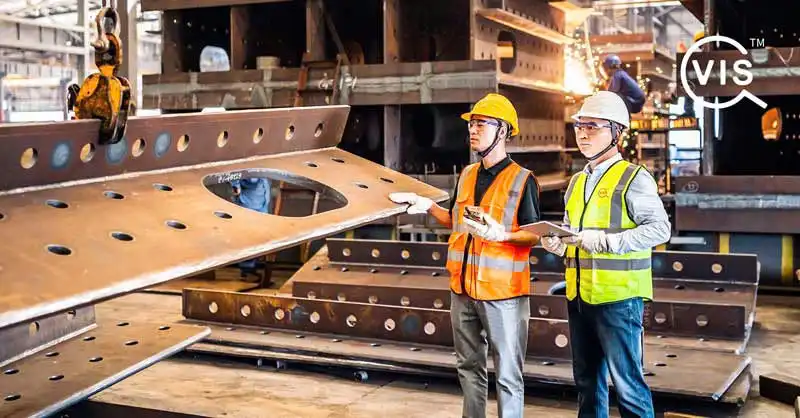
How Does Poor Traceability Impact Raw Material Control?
Poor traceability impacts raw material control by allowing factories to accidentally mix unverified material lots with premium, client-approved inventory batches. During our supply chain audits, we frequently find warehouses where incoming material arrivals are stored without clear batch numbers, material tracking tags, or supplier certificates.
To maintain high product standards, production plants should integrate advanced logistics tools such as the GS1 global traceability framework, which utilizes standardized barcoding systems to track commodities from raw extraction to final delivery. Without this identification, tracing the root cause of a sudden product failure back to a specific batch of raw materials is impossible.
Material substitution is a high-risk threat when raw inventory management is disorganized. For instance, a factory may inadvertently swap high-grade structural steel or premium activewear fabrics for cheaper, lower-performing alternatives. This vulnerability directly impacts product durability and can lead to expensive marketplace performance failures.
What Workplace Safety and Social Compliance Red Flags Stop Production?
Workplace safety and social compliance red flags stop production by triggering automatic audit failures and violating international legal trade statutes. The most common physical hazards found on factory floors include blocked fire exits, missing safety guards on high-speed cutting machinery, and operators handling industrial chemicals without adequate Personal Protective Equipment (PPE).
Global buyers must ensure their sourcing networks satisfy the ILO occupational safety and health standards, which mandate a secure, hazard-free workplace for industrial workers. Beyond immediate physical threats, social compliance evaluations often catch critical structural violations like unrecorded overtime hours, unfair wage deductions, and missing environmental operating permits.
Industrial facilities that neglect basic worker welfare consistently experience high employee turnover rates and declining workforce engagement. This operational instability directly translates to high defect rates and erratic shipping delays on your finished products.
Factory Audit Findings: Root Causes and Prevention Matrix
To help your procurement team quickly assess and fix factory vulnerabilities, we have categorized these common audit failures along with their root causes and field-tested remedies.
| Core Audit Finding Category | Primary Factory Root Cause | Field-Tested Prevention Strategy |
| Deficient QMS Documentation | Priority placed on fast output over written operating procedures. | Demand mandatory bilingual SOP sheets at every active workstation. |
| Expired Machine Calibration | Missing internal tracking systems for diagnostic equipment. | Mandate automated calibration logs and clear on-machine tracking stickers. |
| Broken Material Traceability | Disorganized warehousing and unlabelled raw inventory lots. | Implement mandatory barcode tagging for all incoming material lots. |
| Workplace Safety Violations | Minimal safety training and inadequate floor monitoring. | Conduct monthly safety drills and enforce mandatory PPE compliance zones. |
| Inadequate In-House Quality Control | Factory QC teams facing pressure to meet shipping deadlines. | Deploy independent third-party inspectors to secure unbiased verification. |
How Can Importers Effectively Prevent Factory Audit Failures?
The most effective way to prevent factory audit failures is to integrate a comprehensive Corrective Action Plan (CAP) directly into your standard supplier agreements. When an independent audit uncovers non-conformities, you should never simply walk away from an otherwise capable manufacturer. Instead, use the audit report as an engineering roadmap to systematically upgrade the factory’s operational habits.
First, require the factory management team to identify the true root cause of every failure using structured problem-solving models, such as the “5 Whys” methodology. Second, establish clear, non-negotiable completion deadlines for implementing permanent technical fixes. Finally, never take a factory executive’s word that an issue has been resolved. Always schedule an on-site follow-up verification visit to confirm that the changes are functioning correctly on the production floor before releasing your deposit.
For long-term supply chain security, combine your initial factory audits with a multi-stage quality program. Pairing a comprehensive facility evaluation with During Production Inspections (DPI) and a final Pre-Shipment Inspection (PSI) forces the factory to maintain strict operational standards throughout the entire manufacturing cycle.
Frequently Asked Questions
Q: What is the typical cost of executing a professional factory audit in Southeast Asia?
A: Professional third-party factory audits and social compliance evaluations in manufacturing hubs across Vietnam and Southeast Asia typically range between $320 and $580 per man-day, depending on the technical scope of the facility.
Q: Why should importers rely on independent third-party auditors rather than internal factory QC?
A: Internal factory quality control teams often face intense pressure from upper management to hit aggressive production deadlines and shipping targets. Independent third-party auditors provide completely neutral, data-driven reports focused solely on protecting the buyer’s quality standards.
Protect Your Supply Chain With Smarter Auditing
Securing your production run requires active, on-the-ground visibility long before your first cargo container leaves the port. At VIS Global Quality Control, our experienced team of certified field engineers delivers clear, independent supplier audits and production evaluations designed to protect your brand’s reputation and financial margins.
Ready to eliminate production risks, verify new manufacturing partners, and fix chronic factory defects?
Contact our global technical advisory group today at info@visgl.com or visit VIS Global Quality Control to secure a free, same-day consultation tailored directly to your target product category.