
 Info@visgl.com













Regulations News
Critical vs Major vs Minor Defects Explained in QC Inspection (Complete Guide for Importers & Buyers)
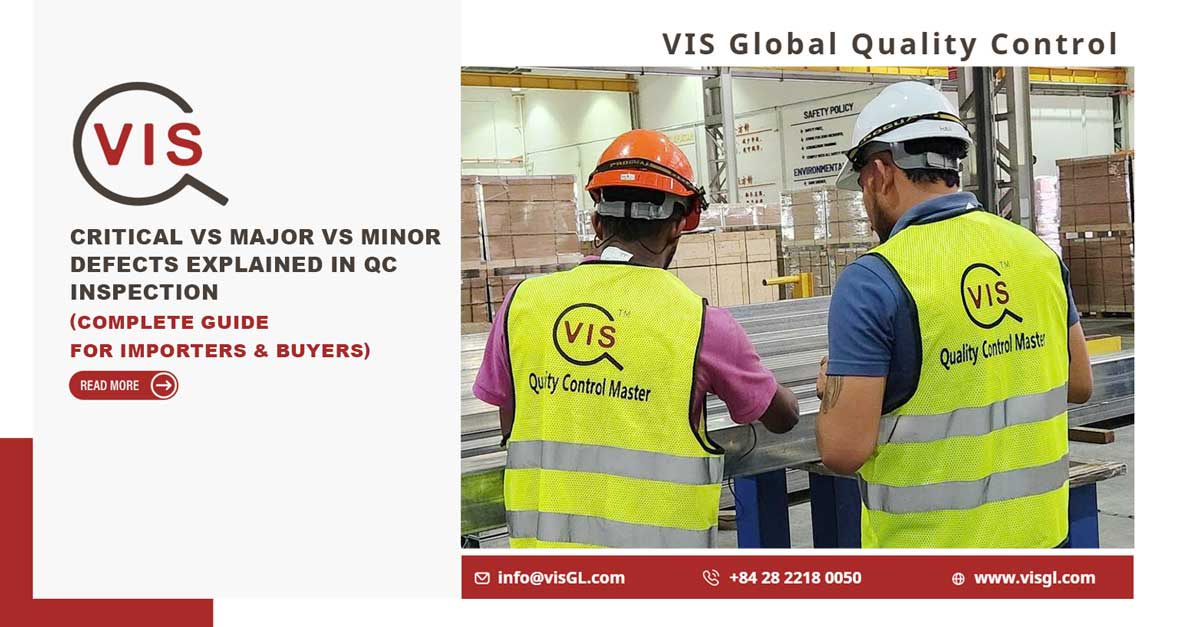
In quality control (QC) inspection, defects are classified into three categories: Critical, Major, and Minor. This classification is used to evaluate product quality, determine acceptance or rejection under AQL standards, and reduce the risk of defective shipments in global supply chains.
Understanding these defect types is essential for importers, sourcing managers, and third-party inspection companies working with manufacturing suppliers in Asia.
Quick Answer
- Critical defects are safety-related issues that can cause harm or regulatory failure, and they result in automatic rejection.
- Major defects affect product functionality, usability, or compliance and often lead to shipment rejection or rework.
- Minor defects do not affect function but impact appearance or finish and are usually acceptable within AQL limits.
What are Critical, Major, and Minor Defects in QC Inspection?
In QC inspection, defects are classified based on severity and impact on product usability, safety, and compliance.
Purpose
The purpose of defect classification is to:
- Standardize quality evaluation
- Apply AQL (Acceptable Quality Limit) sampling rules
- Decide acceptance or rejection of a shipment
Where it is used
Who uses it
- Importers and wholesalers
- Amazon FBA sellers
- Retail brands
- Third-party inspection companies
- Quality control engineers
How Defects Are Classified During Inspection
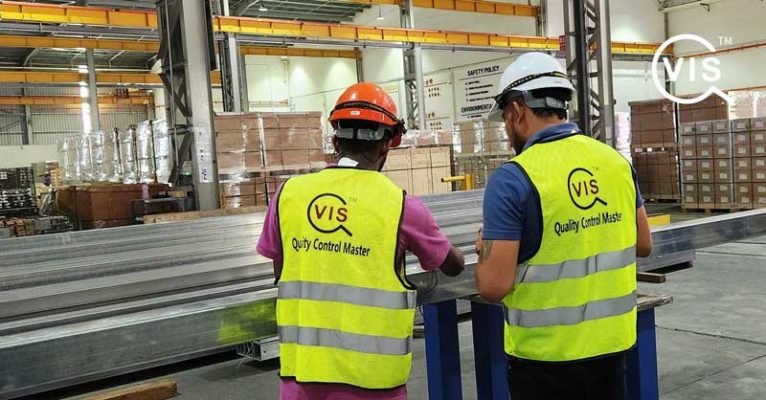
- Inspectors sample products based on AQL (ISO 2859 standard)
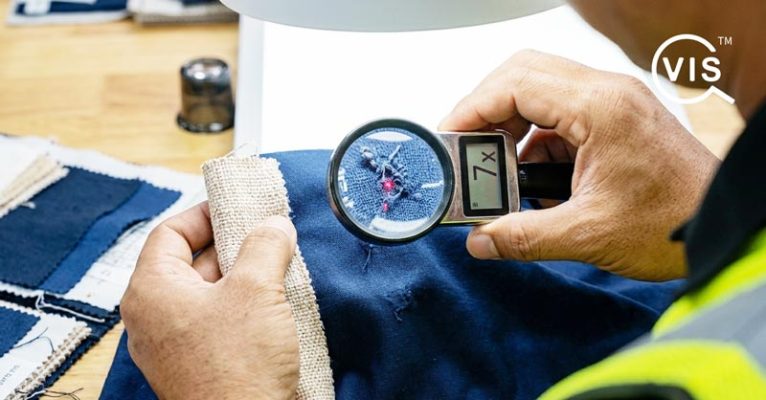
- Each product is visually and functionally checked
- Defects are identified and categorized:
- Critical
- Major
- Minor
- Defect quantity is compared against AQL acceptance limits
- Final decision: Accept, Reject, or Rework shipment
Real-World QC Insight from Manufacturing Inspections
Based on typical third-party inspection findings in Asian manufacturing supply chains:
- 2–5% of shipments contain critical defects when supplier is new or unverified
- Major defects are most common in mass production inconsistencies (especially furniture and garments)
- Minor defects often account for 5–15% of inspected units but rarely cause rejection alone
Common patterns observed:
- Packaging errors increase during peak production periods
- Cosmetic defects rise when factories rush delivery deadlines
- Electrical products show higher critical defect rates due to safety risks
Critical vs Major vs Minor Defects
| Criteria | Critical Defect | Major Defect | Minor Defect |
| Impact | Safety risk / legal non-compliance | Affects function or usability | Cosmetic only |
| Customer effect | Dangerous or unusable product | Product may fail or be returned | Slight dissatisfaction |
| Action | Automatic rejection | Usually reject or rework | Usually acceptable |
| Example | Electrical short circuit | Broken zipper | Scratch on surface |
When Defect Classification Is Used
- During pre-shipment inspection (PSI)
- During in-line production inspection (DPI)
- During factory audits
- When evaluating supplier quality consistency
- When applying AQL sampling standards
Defect Classification Checklist
Critical Defects
- Electrical safety failure
- Sharp edges causing injury
- Toxic material non-compliance
- Structural collapse risk
Major Defects
- Product does not function properly
- Missing key components
- Incorrect dimensions affecting usability
- Packaging failure affecting product integrity
Minor Defects
- Surface scratches
- Color variation within tolerance
- Minor labeling misalignment
- Small cosmetic imperfections
FAQs
What is the difference between major and critical defects?
Critical defects are safety-related and unacceptable under any condition, while major defects affect functionality but may be subject to rework or rejection depending on AQL limits.
Can minor defects cause shipment rejection?
Minor defects usually do not cause rejection unless they exceed acceptable AQL thresholds or affect brand requirements.
What standard is used for defect classification?
Most inspections use AQL standards defined in ISO 2859 for sampling and acceptance decision-making.
Who decides defect classification in inspection?
Third-party QC inspectors or quality engineers classify defects based on predefined inspection criteria agreed between buyer and supplier.
Common Risks in Defect Management
- Misclassification of major vs critical defects can lead to shipment disputes
- Lack of clear QC agreement between buyer and factory
- Inconsistent inspection standards between suppliers
- Ignoring packaging defects that lead to shipping damage
- Over-reliance on supplier self-check instead of third-party inspection
Need Professional QC Inspection Support in Vietnam?
Request a QC inspection quotation from Vis Global Quality Control for your next shipment. Our team will evaluate your product type, factory location, and inspection scope to provide a tailored inspection plan.
