Supplier Qualification Through Third-Party Inspection
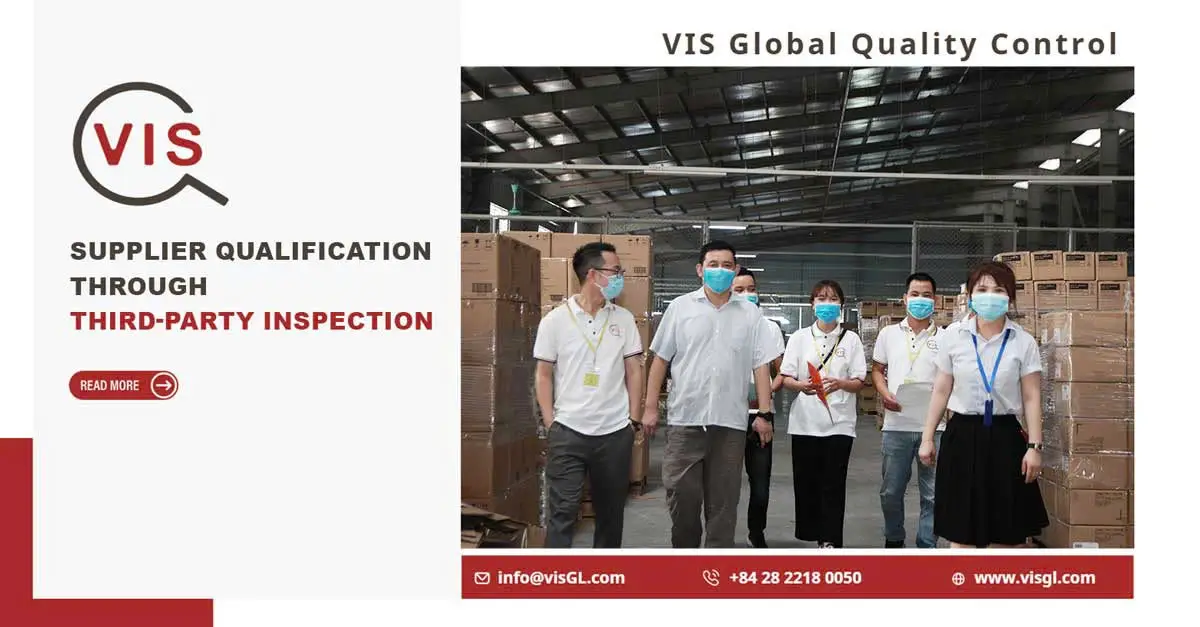
Supplier qualification through third-party inspection is an independent procurement validation process used to verify a manufacturer’s operational capacity, internal quality management systems, and regulatory compliance before a buyer issues a mass production contract. By deploying specialized, independent quality engineers to evaluate facilities on-site, businesses can objectively identify production risks, eliminate material non-conformities, and ensure component safety without relying on supplier self-assessments.
Why Is Supplier Qualification Critical in Global Sourcing?
Supplier qualification is critical because it acts as a primary protective barrier against catastrophic production disruptions, border customs rejections, and costly retail chargebacks. Relying entirely on digital portfolios, factory-supplied sample units, or unverified claims exposes international buyers to major supply chain vulnerabilities. Research analyzing modern global supply chain resilience models shows that upfront verification of structural capacity can reduce unexpected shipping bottlenecks and logistics friction by up to 45%.
Without independent on-site verification, importers frequently encounter sudden operational issues once an order is fully funded. These manufacturing threats include unexpected material substitutions, high component defect rates, weak master packaging that leads to transit damage, and severe compliance violations that can permanently damage a brand’s reputation.
How Does Third-Party Inspection Evaluate Supplier Capability?
Third-party inspection evaluates supplier capability by executing strict physical verifications of factory infrastructure, analyzing documented processing workflows, and testing physical product attributes against engineering blueprints. Instead of executing an unguided overview, independent quality specialists break their assessments down across defined production timelines.
To help procurement teams map out these quality touchpoints efficiently, the core stages of an asset-focused qualification matrix are outlined below:
| Qualification Phase | On-Site Evaluation Focus | Primary Sourcing Risk Mitigated |
| Pre-Production Inspection (PPI) |
Verifies raw material specifications, component grades, sample accuracy, and machinery readiness. |
Prevents material substitution fraud and initial manufacturing setup errors. |
| During Production Inspection (DPI) |
Evaluates the first 10% to 20% of finished goods output directly on the active assembly line. |
Identifies systemic machine calibration errors and early workmanship defects. |
| Pre-Shipment Inspection (PSI) |
Conducts a statistical random check using international sampling tables when production is at least 80% packed. |
Ensures overall batch quality, barcode accuracy, and packaging durability match purchase orders. |
| Factory & Social Audit |
Audits legal licensing, labor standards, machinery maintenance logs, and workspace safety parameters. |
Eliminates supply chain liability linked to human rights violations or regulatory non-compliance. |
What Are the Key Benefits of Third-Party Qualification Over In-House Reviews?
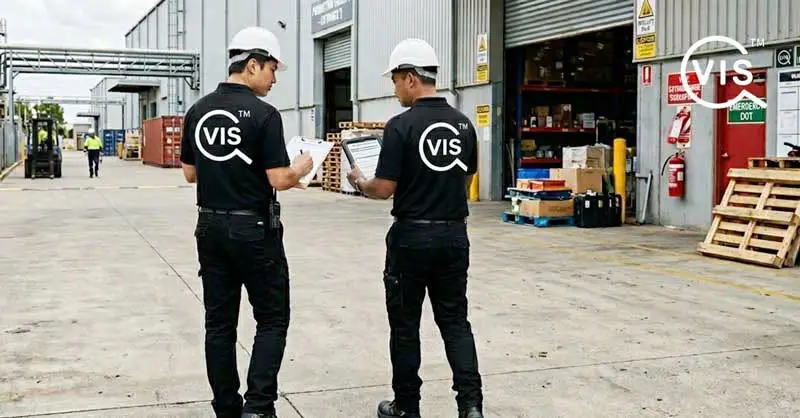
Third-party qualification offers superior procedural objectivity, global operational flexibility, and significant structural overhead savings compared to managing a dedicated internal inspection division. For growing businesses sourcing across multiple manufacturing hubs, maintaining an in-house international team is rarely financially sustainable.
The core advantages of utilizing independent quality organizations include:
-
Elimination of Internal Factory Bias: Factory-internal quality control teams frequently face immense corporate pressure from floor managers to overlook minor defects in order to meet strict shipping deadlines and volume quotas. Independent inspectors are accountable only to the buyer, ensuring completely transparent reporting.
-
Geographical Agility and Speed: Deploying local inspectors already stationed in specialized manufacturing zones allows businesses to secure comprehensive on-site reporting within 24 to 48 hours. This eliminates the need for expensive international travel and helps clear logistics hurdles quickly.
-
Advanced Testing Tool Integration: Professional third-party firms come equipped with calibrated, industrial engineering equipment. They utilize precision instruments for advanced testing, such as material moisture testing, non-destructive welding analysis, and barcode readability verification.
What Standard Criteria Define a Fully Qualified Manufacturing Partner?
A fully qualified manufacturing partner must demonstrate strict compliance with international manufacturing benchmarks, open component traceability records, and safe physical workspace standards. Tracking these explicit technical indicators helps buyers avoid problematic production partnerships. Data compilations tracking international trade trends published in recent World Bank logistics performance indexes reveal that businesses utilizing standardized vendor verification metrics experience a 35% improvement in long-term supply chain reliability.
To pass a robust third-party qualification protocol, an export-oriented facility should meet the following benchmarks:
-
Equipment Calibration Schedules: The facility must provide active verification logs proving that all measurement scales, testing rigs, and automated production machinery are systematically calibrated.
-
Raw Material Control Workflows: Factory managers must demonstrate complete traceability logs, matching raw steel, plastic, or fabric heat numbers directly back to the original mill certificates.
-
Documented Quality Management Systems: Production lines must operate under structured ISO 2859-1 quality inspection standards, featuring clearly defined criteria for separating critical, major, and minor defects.
Frequently Asked Questions
Q: Can a standard product inspection completely replace a factory audit?
A: No, a product inspection focuses entirely on the physical attributes and defect rates of a specific batch of goods. A factory audit evaluates the manufacturer’s overarching organizational systems, financial health, legal licensing, and long-term capability to maintain uniform quality standards across future production runs.
Q: How much does third-party supplier qualification cost?
A: Standard independent factory inspections and auditing services across major manufacturing regions generally average between $250 and $580 per man-day, depending on the technical complexity of the items and the geographic location of the factory.
Secure Your Global Supply Chain With Confidence
Mitigating procurement risk requires verifiable data and professional field expertise. Investing a small portion of your sourcing budget into an independent validation program helps your business avoid expensive supply chain disruptions, product recalls, and contract failures before your cargo ever leaves the assembly floor.
At VIS Global Quality Control, we translate complex statistical quality frameworks into reliable, clear, and actionable on-site factory solutions across major industrial sectors.
Ready to eliminate unexpected customs delays and protect your brand equity? Contact our engineering advisory division today at info@visgl.com or visit VIS Global Quality Control to secure a free, same-day consultation tailored specifically to your manufacturing footprint.