The Buyer’s Guide to Working with a Third-Party Inspection Company

If you’re buying products from overseas, chances are you’ve heard that you should use a third-party inspection company. But if you’ve never worked with one before, the process can seem confusing. What do they actually do? When should you book? What do you need to provide? This guide breaks it down in plain terms.
What Is a Third-Party Inspection Company?
A third-party inspection company (TPI) is an independent organization that checks the quality of your products on your behalf. They’re “third-party” because they’re not connected to you (the buyer) or your supplier (the seller) — which means they have no incentive to pass or fail your goods unfairly. Their job is to give you objective, factual information about your products.
The best TPIs are accredited by recognized bodies. For example, VIS Global Quality Control holds ISO/IEC 17020:2012 accreditation from Vietnam’s Bureau of Accreditation and is a member of ILAC-MRA, the international mutual recognition arrangement for accredited inspection bodies.
When to Book a Third-Party Inspection?
Timing depends on what you want to achieve. There are several common inspection types, and you can use one or a combination depending on your situation.
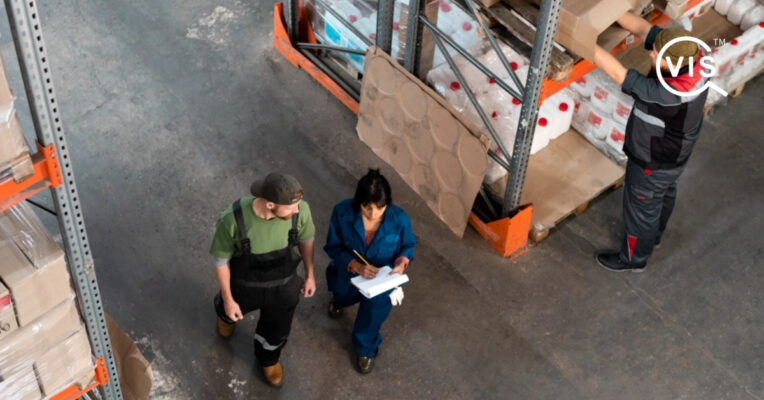
Before production starts, a pre-production inspection (PPI) checks raw materials and factory readiness. During production, a during-production inspection (DUPRO) catches defects while there’s still time to correct them. When production is complete, a pre-shipment inspection (PSI) checks a random sample of finished goods before they’re shipped. When products are being loaded into the container, loading supervision ensures everything is packed and stacked correctly.
For most buyers, a PSI is the minimum recommended step. If you’re working with a new supplier or ordering a complex product, adding a DUPRO or factory audit is a smart investment.
What Do You Need to Provide?
To get the most out of your inspection, give your TPI as much detail as possible. This typically includes your product specifications (materials, dimensions, colors, functionality), reference photos or approved samples, packaging and labeling requirements, your acceptable quality level (AQL) or specific defect criteria, and the factory name and address with a contact person.
The more information you share, the more accurate the inspection will be. A good TPI will also ask clarifying questions and help you set the right parameters.
What Do You Get Back?
After the inspection, you’ll receive a detailed report — typically within 24 hours. This report includes the inspector’s findings with photos, measurements, test results, and a clear overall result: pass, fail, or pending. You can then use this report to decide whether to approve shipment, request corrections, or negotiate with your supplier.

Why Choose VIS Global?
VIS Global Quality Control stands out for several reasons: government-accredited inspection body (ISO/IEC 17020:2012), full-time inspectors (not freelancers), reports delivered within 24 hours, coverage across 10+ countries including China, Vietnam, Cambodia, Thailand, India, and more, and a team of over 100 quality professionals. Whether you’re a first-time buyer or a seasoned importer managing dozens of suppliers, VIS provides the reliability and expertise you need.
Ready to try third-party inspection?
VIS Global makes it easy, fast, and reliable — across all of Asia.
Book your inspection within 24 hours and avoid costly shipment mistakes.
👉 Get a free consultation from VIS experts now.