What Inspectors Look for Beyond Product Appearance
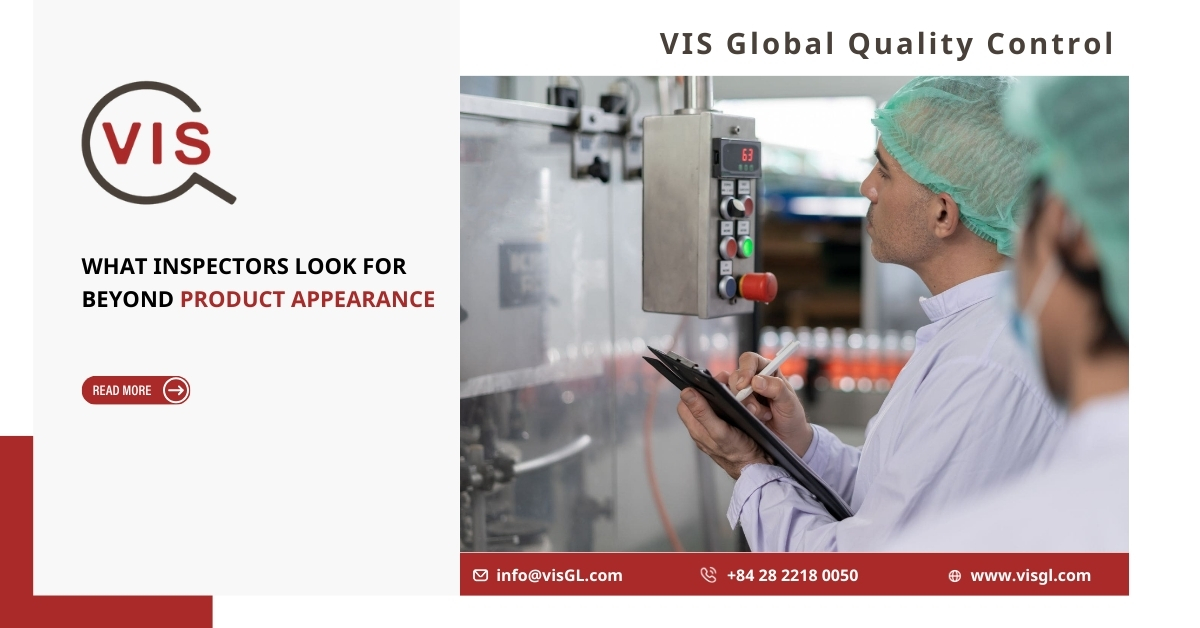
In modern global supply chains, product quality inspection goes far beyond checking whether an item “looks good.” While appearance remains an important factor, professional inspectors focus on a wide range of technical, functional, and compliance-related criteria to ensure products meet specifications, regulatory requirements, and customer expectations. For companies sourcing internationally, understanding what inspectors evaluate beyond surface-level aesthetics is essential to reducing risk, avoiding costly recalls, and protecting brand reputation.
At VIS Global Quality Control, inspections are designed to deliver a comprehensive and objective view of product quality—covering not only what is visible, but also what determines long-term performance, safety, and compliance.
Compliance with Product Specifications
One of the most critical inspection focuses is strict conformity with approved product specifications. Inspectors verify that materials, dimensions, weights, tolerances, colors, and labeling match the technical documentation provided by the buyer. This process ensures the factory is producing according to agreed requirements rather than relying on assumptions or outdated references.
Importantly, inspectors do not validate or redesign products. Their role is to confirm whether the finished goods align with the approved samples, drawings, and specification sheets. Any deviation—no matter how minor—can affect performance, usability, or downstream compliance and is therefore carefully documented.
Functional Performance and Usability
A product may appear flawless yet fail in real-world use. This is why inspectors conduct functional checks to confirm that items operate as intended. Depending on the product category, this can include assembly checks, mechanical movement tests, electrical functionality, button responsiveness, or basic operational simulations.
These evaluations help identify hidden defects that visual checks alone cannot detect, such as internal misalignment, unstable connections, or incomplete assembly. From a quality control perspective, functional reliability is often more critical than cosmetic perfection.
Safety and Regulatory Requirements
Beyond appearance, inspectors pay close attention to safety risks and regulatory compliance. Products must meet applicable international or local standards related to electrical safety, chemical restrictions, mechanical stability, and user protection. Inspectors check for sharp edges, exposed wiring, inadequate insulation, choking hazards, or other potential dangers.

They also verify that mandatory markings, warnings, and certifications are present and correctly applied. Failure in this area can lead to shipment rejection, legal liability, or severe damage to brand credibility in target markets.
Workmanship and Manufacturing Consistency
Inspectors assess workmanship quality to evaluate how well products are manufactured overall. This includes examining joins, welds, stitching, fastening, surface finishes, and structural integrity. The goal is not to achieve perfection, but to confirm that workmanship meets acceptable quality limits and is consistent across the production batch.
Consistency is particularly important in mass production. Inspectors often sample products across different cartons or production stages to detect variations that may indicate process control issues within the factory.
Packaging, Labeling, and Packing Integrity
Quality inspection extends to packaging and packing methods, which play a crucial role in protecting products during transport and storage. Inspectors verify that packaging materials match specifications, provide sufficient protection, and are free from contamination or damage.
Labeling accuracy is also carefully reviewed, including product names, barcodes, batch numbers, country of origin, and handling instructions. Errors in packaging or labeling can cause customs delays, misdistribution, or rejection by retailers—even if the product itself is acceptable.
Quantity, Assortment, and Order Accuracy
Inspectors confirm that the correct quantity and assortment of products are packed according to the purchase order. This includes checking carton counts, inner packaging, size ratios, and color assortments. Discrepancies in quantity or configuration can disrupt supply chains and result in financial losses for buyers.
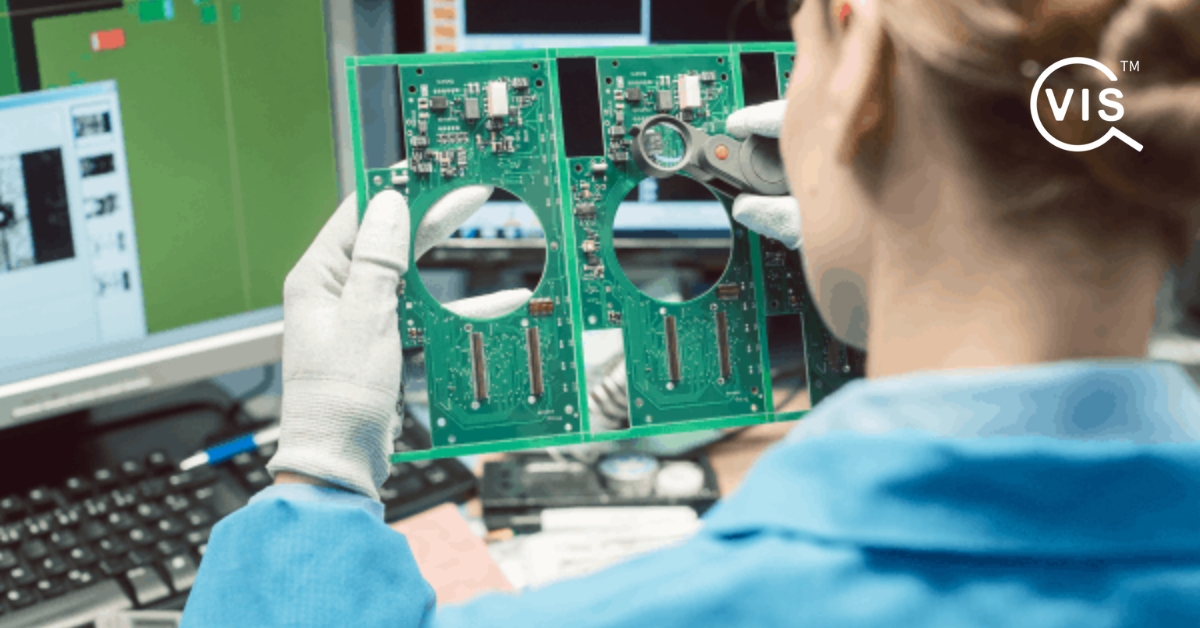
This step ensures that what is shipped matches exactly what was ordered, reducing disputes between buyers and suppliers after delivery.
Process Control and Risk Indicators
Beyond individual product checks, experienced inspectors observe manufacturing conditions and process control indicators. While not performing a full factory audit, they may note signs of poor quality management such as inadequate material storage, inconsistent assembly practices, or lack of in-process inspections.
These observations provide valuable context for buyers, helping them identify potential long-term risks and decide whether corrective actions or deeper audits are necessary.
Documentation, Traceability, and Reporting
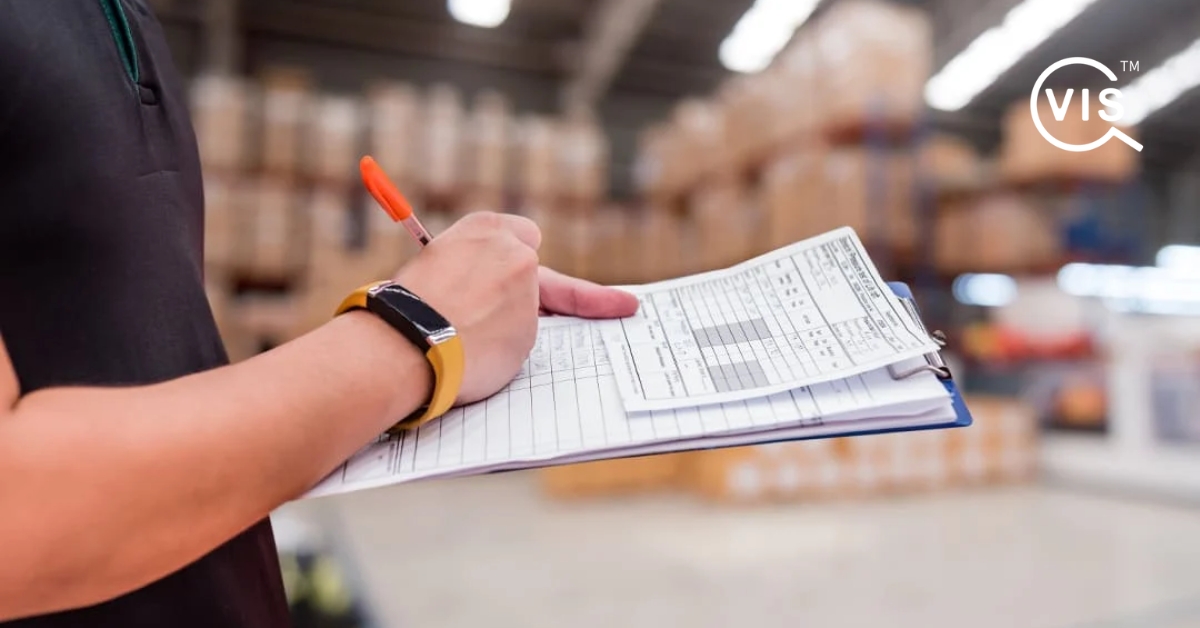
Accurate documentation is a key outcome of any professional inspection. Inspectors record findings with clear descriptions, measurements, photographs, and defect classifications. This detailed reporting allows buyers to make informed shipment decisions based on objective evidence rather than assumptions.
Traceability elements—such as batch numbers or production dates—are also verified to support future quality tracking and accountability.
Quality Is More Than What Meets the Eye
In global manufacturing, quality cannot be judged by appearance alone. A product that looks acceptable but fails in performance, safety, or compliance can create serious operational and reputational risks. This is why comprehensive inspections focus on specifications, functionality, safety, consistency, and process control—not just visual appeal.
By applying a systematic and standards-driven inspection approach, VIS Global Quality Control helps businesses gain real confidence in their products before shipment. Looking beyond appearance ensures that quality is not only seen, but proven—protecting both the supply chain and the brand in competitive international markets.