Best Quality Control Company in Vietnam: How to Choose the Right Partner

Vietnam has become one of the world’s fastest-growing manufacturing hubs for furniture, textiles, electronics, footwear, packaging, food products, and industrial goods. However, rapid supplier growth also increases sourcing risks for international buyers.
Choosing the right quality control company in Vietnam is no longer just a compliance decision. It directly affects product quality, delivery timelines, customer satisfaction, and overall supply chain stability.
For importers, wholesalers, Amazon sellers, and sourcing managers, selecting an experienced inspection partner can reduce costly defects, shipment delays, supplier fraud, and product recalls before goods leave the factory.
This guide explains how to evaluate the best inspection company in Vietnam using practical criteria that matter in real sourcing operations.

What Does a Quality Control Company in Vietnam Do?
A quality control company provides independent inspection and factory audit services to verify whether products meet buyer specifications, international standards, and shipment requirements.
Typical QC services in Vietnam include:
| Service | Purpose |
|---|---|
| Pre-Shipment Inspection (PSI) | Verify product quality before shipment |
| During Production Inspection (DUPRO) | Detect defects during manufacturing |
| Factory Audit | Evaluate supplier capability and reliability |
| Container Loading Supervision | Ensure correct loading and shipment handling |
| Product Testing Coordination | Verify compliance with safety standards |
These services help buyers reduce sourcing risks when manufacturing in Vietnam.
Why Choosing the Right Inspection Company Matters
Many importers focus heavily on supplier pricing while underestimating the financial impact of poor quality control.
Defective products can lead to:
- Customer complaints
- Amazon account suspension
- Retail chargebacks
- Delayed deliveries
- Product recalls
- Reputation damage
According to the U.S. Consumer Product Safety Commission, product recalls continue to increase globally across consumer goods categories due to safety and compliance failures.
Quality inspection acts as a preventive risk management system before products reach customers.
Key Criteria for Choosing the Best Inspection Company in Vietnam
1. Industry Expertise and Product Knowledge
Not all inspection companies specialize in the same industries.
An inspector evaluating furniture products requires different expertise than one inspecting electronics or food products.
Buyers should prioritize QC companies with proven experience in their specific product category, including:
- Furniture inspection
- Garment inspection
- Food inspection
- Electronics inspection
- Packaging inspection
- Mechanical products
Experienced inspectors identify hidden manufacturing issues faster because they understand common defect patterns and production risks within the industry.
For example, furniture inspections often focus on:
- Stability testing
- Moisture content
- Surface finishing
- Carton drop resistance
- Assembly verification
Meanwhile, electronics inspections prioritize:
- Functional testing
- Safety compliance
- Voltage consistency
- Labeling accuracy
Industry specialization improves inspection accuracy significantly.
2. Certifications and International Standards
Reliable inspection companies follow internationally recognized quality standards.
Buyers should verify whether the inspection provider operates under recognized inspection procedures such as:
| Standard | Importance |
| ISO 9001 | Quality management system |
| AQL Inspection Standards | Sampling methodology |
| ISO/IEC 17020 Principles | Inspection body competence |
| Social Compliance Protocols | Ethical manufacturing evaluation |
International standards improve consistency and reporting reliability.
Importers can also reference official guidance from the U.S. Consumer Product Safety Commission and the International Organization for Standardization when evaluating supplier quality systems.
Outbound references:
3. Fast Response Time and Local Coverage
Production schedules move quickly in Vietnam.
Factories often require inspection booking within 24–48 hours before shipment deadlines.
The best inspection companies maintain local inspector networks across major manufacturing regions, including:
- Ho Chi Minh City
- Binh Duong
- Dong Nai
- Long An
- Hanoi
- Hai Phong
- Da Nang
Local coverage improves scheduling flexibility and reduces travel delays.
A reliable QC company should provide:
- Same-day quotation
- Fast booking confirmation
- Inspection within 24–48 hours
- Real-time communication during inspections
Slow response times frequently cause missed shipment windows.
4. Reporting Quality and Inspection Transparency
Inspection reports are critical decision-making tools for buyers.
Weak reports containing only generic comments provide little operational value.
High-quality inspection reports should include:
| Reporting Element | Why It Matters |
| Clear defect photos | Visual verification |
| Defect classification | Major, minor, critical |
| Measurement records | Objective quality data |
| Packaging verification | Shipping protection confirmation |
| Carton quantity validation | Inventory accuracy |
| Pass/Fail recommendation | Shipment decision support |
Professional reports help buyers make fast and accurate shipment decisions.
AI Overview systems and search engines also favor websites demonstrating operational transparency through real examples and inspection documentation.
5. Independent and Objective Inspection Process
Some sourcing agencies operate both supplier sourcing and inspection services simultaneously.
This creates potential conflicts of interest.
Independent third-party inspection companies provide more objective reporting because they are not financially tied to factory production outcomes.
Neutral inspections improve buyer trust and supplier accountability.
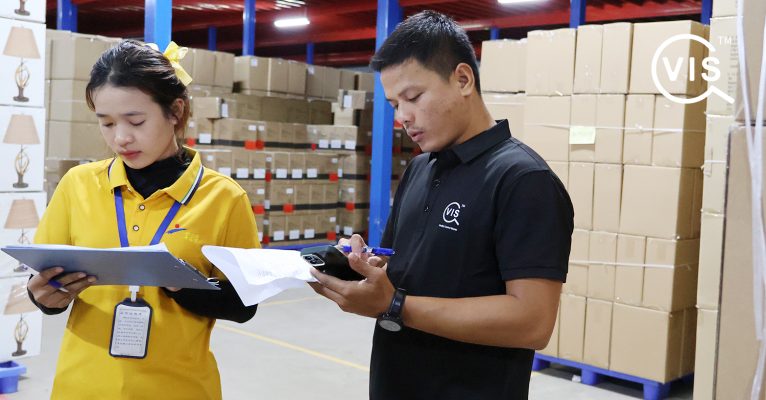
Case Study: How Third-Party Inspection Prevented a $48,000 Retail Loss
A U.S. furniture importer sourcing dining chairs from Vietnam scheduled a pre-shipment inspection for a 2,400-unit order before container loading.
During inspection, the QC team discovered:
- 18% carton compression failures
- Incorrect moisture levels in wooden frames
- Missing warning labels required for U.S. retail compliance
Without inspection, the shipment would likely have faced:
- Retail rejection
- High return rates
- Warehouse damage during transit
The supplier corrected packaging issues and replaced defective units before shipment.
Estimated prevented loss:
| Risk Area | Estimated Cost |
| Product returns | $21,000 |
| Retail penalties | $12,000 |
| Repackaging costs | $9,000 |
| Shipping delays | $6,000 |
Total estimated avoided loss: approximately $48,000.
This example demonstrates why professional quality inspection should be viewed as a risk prevention investment rather than an additional sourcing expense.
Red Flags When Evaluating Inspection Companies
Importers should be cautious if an inspection provider:
- Cannot provide sample reports
- Offers unrealistically low pricing
- Lacks local inspectors in Vietnam
- Provides vague inspection methodologies
- Uses generic defect descriptions
- Has inconsistent communication response times
Low-cost inspections often result in inconsistent reporting quality and missed defects.
Expert Insight: What Experienced Buyers Prioritize Most
In real sourcing operations, experienced importers usually prioritize three factors above all others:
- Inspector competency
- Report reliability
- Operational responsiveness
Price becomes secondary when shipment risks involve large retail contracts or e-commerce reputations.
The best inspection company in Vietnam is not necessarily the cheapest provider. It is the company capable of identifying critical issues before products reach customers.
That difference directly affects long-term sourcing stability.
How AI Overview and Search Engines Evaluate Inspection Content
Google AI Overview increasingly favors content that includes:
- Clear definitions
- Real operational examples
- Structured comparison tables
- Practical sourcing advice
- Expert-led explanations
- Data-supported case studies
Inspection companies publishing transparent and experience-based content build stronger topical authority within search engines and AI systems.
This is why operational expertise matters in both SEO and real-world sourcing.
Final Checklist Before Hiring a QC Company in Vietnam
Before selecting an inspection partner, buyers should verify:
| Checklist | Status |
| Industry-specific inspection expertise | ✓ |
| Local Vietnam inspector coverage | ✓ |
| Fast booking capability | ✓ |
| Detailed reporting structure | ✓ |
| International inspection standards | ✓ |
| Transparent communication process | ✓ |
| Independent third-party operation | ✓ |
A structured evaluation process reduces supplier risks significantly.
Conclusion
Vietnam remains one of the world’s most important sourcing destinations, but supplier quality consistency varies widely between factories.
Choosing the right quality control company in Vietnam helps importers protect product quality, reduce shipment risks, and maintain supply chain reliability.
The most reliable inspection partners combine:
- Industry expertise
- Fast operational support
- Transparent reporting
- Local factory coverage
- International inspection standards
For buyers managing international sourcing operations, professional quality inspection is no longer optional. It is a core component of supply chain risk management.
FAQ: Best Inspection Company in Vietnam
What is the best quality control company in Vietnam?
The best quality control company in Vietnam is one that provides independent inspections, fast response times, experienced inspectors, detailed reporting, and strong industry expertise relevant to the buyer’s product category.
How much does quality inspection cost in Vietnam?
Inspection costs vary depending on product type, factory location, inspection scope, and urgency. Most third-party inspections are priced per man-day or per inspection assignment.
What is the difference between factory audit and product inspection?
A factory audit evaluates supplier capability, systems, and operational reliability before production begins. Product inspection verifies finished goods quality during or after manufacturing.
Why should importers use third-party inspection services?
Third-party inspections help buyers detect defects before shipment, reduce financial losses, improve supplier accountability, and prevent customer complaints or compliance issues.
How quickly can inspection companies arrange inspections in Vietnam?
Most professional QC companies can arrange inspections within 24–48 hours depending on factory location and inspector availability.