Witness Inspection Services for Manufacturing Quality Control

What Are Witness Inspection Services?
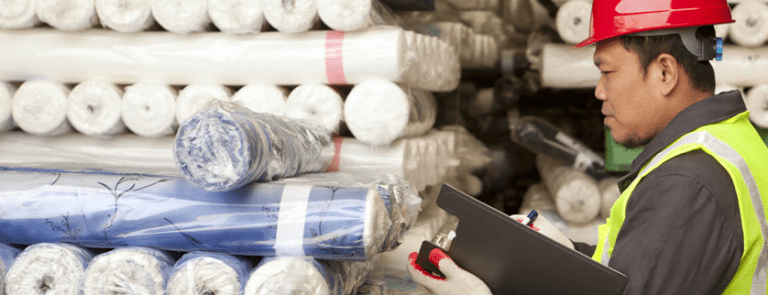
Witness inspection services are independent quality assurance activities in which a third-party inspector observes critical manufacturing, testing, and acceptance procedures to verify compliance with project specifications, contractual requirements, and applicable industry standards. Witness inspections are commonly used for Factory Acceptance Testing (FAT), pressure testing, welding inspections, structural steel fabrication, and industrial equipment manufacturing to reduce quality risks before shipment and commissioning.
As global sourcing continues to expand, buyers face increasing challenges in verifying supplier quality and manufacturing compliance. While factory audits and pre-shipment inspections remain important quality control tools, they may not provide visibility into critical manufacturing processes that occur during production.
For high-value industrial equipment, engineered products, and construction materials, quality issues often originate during manufacturing rather than appearing during final inspection. Welding defects, material substitutions, improper testing procedures, and documentation errors can create significant risks for buyers, project owners, and EPC contractors.
Witness inspection services help address these challenges by providing independent verification of key manufacturing and testing activities before products leave the factory.
Why Is Witness Inspection Important in Manufacturing?
Many manufacturing defects cannot be detected through visual inspection alone.
A pressure vessel may look compliant during final inspection, yet the hydrostatic test may have been conducted incorrectly. A structural steel component may meet dimensional requirements but contain weld defects that compromise long-term performance.
Without independent oversight, buyers often rely entirely on supplier-generated reports and test records.
Witness inspection provides an additional layer of confidence by ensuring that manufacturing activities are performed according to approved procedures and documented accurately.
For international buyers sourcing from Vietnam and other Asian manufacturing hubs, witness inspection can significantly reduce supplier risks, prevent costly rework, and improve project outcomes.
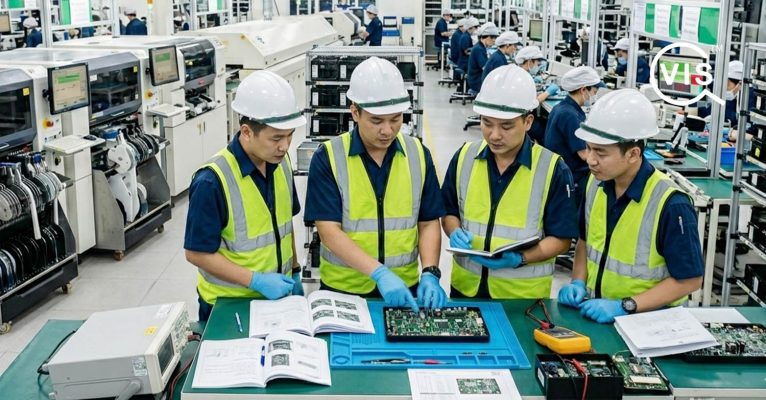
Common Risks Without Witness Inspection
Manufacturers occasionally encounter issues such as:
- Material substitutions without approval
- Incomplete traceability documentation
- Incorrect welding procedures
- Unqualified welding personnel
- Calibration problems
- Improper pressure testing methods
- Inaccurate test reporting
- Non-compliance with contractual specifications
Early identification of these issues allows corrective actions before shipment, reducing the likelihood of expensive field repairs or project delays.
How Does the Witness Inspection Process Work?
A professional witness inspection typically follows a structured process designed to verify compliance at specific manufacturing milestones.
Review of Technical Documentation
Before arriving at the factory, inspectors review project documentation, including:
- Purchase orders
- Technical specifications
- Approved drawings
- Inspection and Test Plans (ITP)
- Quality procedures
- Material requirements
- Testing protocols
This review establishes the acceptance criteria that will be used during the inspection.
Attendance at Witness Points
The inspector attends designated witness points identified within the Inspection and Test Plan.
A witness point is a manufacturing or testing activity that must be observed before work proceeds to the next stage.
Examples include:
- Material verification
- Welding operations
- Non-destructive testing
- Pressure testing
- Factory Acceptance Testing
- Functional performance testing
Verification of Compliance
During the inspection, the inspector confirms:
- Procedures are followed correctly
- Personnel qualifications are valid
- Equipment calibration certificates are current
- Test conditions meet specifications
- Acceptance criteria are achieved
- Results are properly documented
Reporting
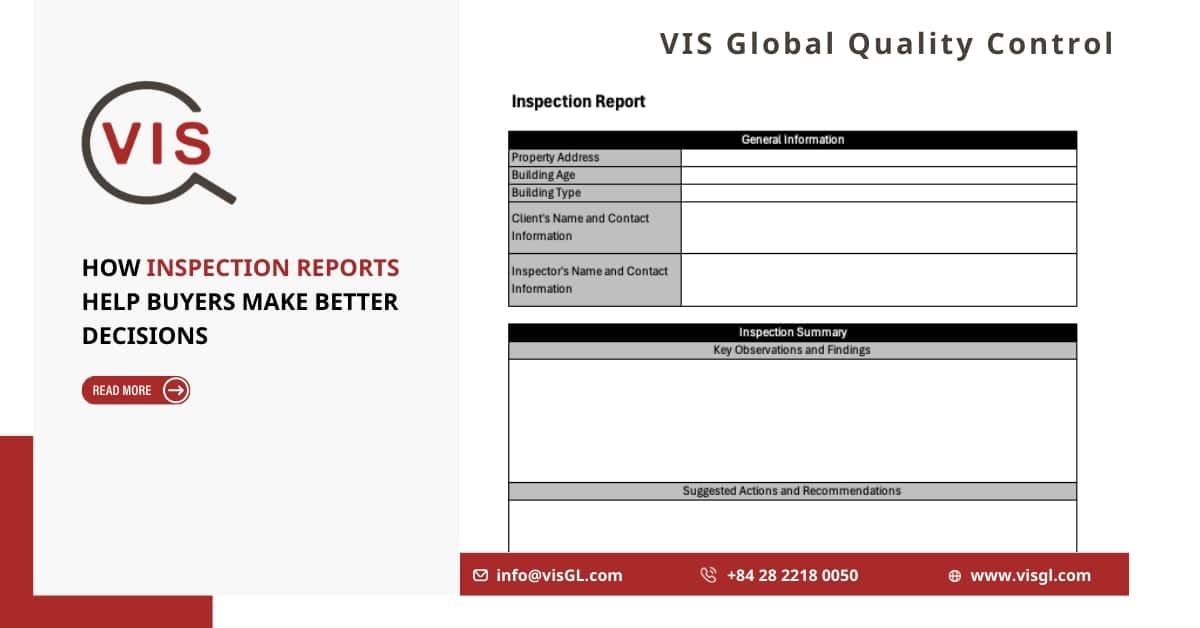
After completion, the inspector issues a detailed report outlining:
- Inspection observations
- Compliance status
- Test results
- Non-conformities
- Corrective actions
- Supporting photographs
The report provides buyers with objective evidence that critical activities were performed correctly.
What Activities Are Commonly Witnessed During Inspection?
Witness inspection can be applied to numerous manufacturing and testing activities depending on the project requirements.
Material Verification
Material verification confirms that raw materials and components match approved specifications.
Inspectors review:
- Material Test Reports (MTR)
- Mill certificates
- Heat numbers
- Material grades
- Traceability records
This process helps prevent unauthorized material substitutions that could affect product performance and compliance.
Welding Inspection
Welding is one of the most frequently witnessed activities in industrial manufacturing.
Inspectors may verify:
- Welding Procedure Specifications (WPS)
- Procedure Qualification Records (PQR)
- Welder qualification certificates
- Welding parameters
- Visual weld quality
Witnessed welding inspections are common in industries such as oil and gas, power generation, construction, and heavy equipment manufacturing.
Non-Destructive Testing (NDT)
Non-destructive testing helps identify internal or surface defects without damaging the product.
Common NDT methods include:
- Ultrasonic Testing (UT)
- Radiographic Testing (RT)
- Magnetic Particle Testing (MT)
- Dye Penetrant Testing (PT)
Witnessing NDT activities provides assurance that testing is performed correctly and acceptance criteria are met.
Pressure Testing
Pressure testing is critical for products such as:
- Pressure vessels
- Pipelines
- Heat exchangers
- Storage tanks
- Valves
During witness inspection, inspectors verify test pressure, duration, calibrated instruments, and test results.
Factory Acceptance Testing (FAT)
Factory Acceptance Testing is among the most common reasons buyers request witness inspection services.
FAT typically evaluates:
- Equipment functionality
- Operational performance
- Safety systems
- Control logic
- Automation systems
- Contract compliance
Successful FAT completion often serves as a key milestone before shipment approval.
Witness Inspection vs Pre-Shipment Inspection: What Is the Difference?
Although both services support quality assurance, they serve different purposes.
| Inspection Service | Primary Objective | Typical Timing |
|---|---|---|
| Witness Inspection | Verify manufacturing and testing activities | During production |
| During Production Inspection | Monitor product quality during manufacturing | Production stage |
| Pre-Shipment Inspection | Verify finished goods before export | Before shipment |
| Factory Audit | Evaluate supplier capability and quality systems | Before production |
| Factory Acceptance Testing Witnessing | Verify equipment performance before shipment | End of manufacturing |
For many industrial projects, buyers use multiple inspection methods to create a comprehensive quality control strategy.
Which Industries Use Witness Inspection Services?
Oil and Gas Industry
Oil and gas projects frequently require witness inspections for:
- Pressure vessels
- Process piping
- Valves
- Pumps
- Offshore equipment
Independent verification helps ensure compliance with strict engineering and safety requirements.
Power Generation
Witness inspections are commonly performed for:
- Transformers
- Switchgear
- Generators
- Turbines
- Electrical control systems
Equipment failures in power generation projects can have significant operational and financial consequences.
Construction and Infrastructure
Construction projects often require witness inspection during:
- Structural steel fabrication
- Welding activities
- Load testing
- Material verification
Independent inspection helps verify that fabricated components meet project specifications before installation.
Renewable Energy
The renewable energy sector increasingly relies on witness inspection for:
- Solar power equipment
- Battery energy storage systems
- Wind turbine components
- Electrical infrastructure
Quality assurance is critical for achieving long-term reliability and performance.
Industrial Manufacturing
Industrial equipment buyers commonly request witness inspections for:
- Production machinery
- Packaging equipment
- Automation systems
- Material handling systems
Factory Acceptance Testing is particularly important for custom-built equipment.
Real-World Example: Preventing Costly Rework Through Witness Inspection
Consider a buyer sourcing structural steel components for an industrial construction project.
During a witnessed ultrasonic testing process, inspectors identified weld discontinuities that exceeded project acceptance criteria. The defects were corrected and re-tested before shipment.
Without witness inspection, the issue may not have been discovered until installation at the construction site.
The result could have included:
- Project delays
- Additional labor costs
- Site rework expenses
- Schedule disruptions
This example illustrates how witness inspection functions as a proactive risk management tool rather than simply a compliance exercise.
What Are the Benefits of Third-Party Witness Inspection?
Greater Transparency
Buyers gain direct visibility into manufacturing and testing activities.
Reduced Supplier Risk
Independent verification helps identify issues before products leave the factory.
Improved Compliance
Witness inspection supports compliance with recognized standards such as:
- ISO 9001 Quality Management Systems
- ASTM standards
- ASME requirements
- AWS welding standards
- IEC standards
Stronger Documentation
Detailed inspection reports provide objective evidence of quality performance and compliance.
Lower Total Project Costs
Early issue detection can reduce:
- Warranty claims
- Product failures
- Rework expenses
- Project delays
- Corrective action costs
How Should Buyers Choose a Witness Inspection Company?
Selecting the right inspection partner is critical.
Buyers should evaluate:
Technical Expertise
Inspectors should understand:
- Manufacturing processes
- Engineering specifications
- Industry standards
- Testing methodologies
Industry Experience
Experience within the relevant product category improves inspection effectiveness.
Reporting Quality
Reports should include:
- Clear observations
- Compliance findings
- Photographic evidence
- Technical comments
- Corrective action recommendations
Geographic Coverage
For global sourcing projects, local inspector availability can improve response times and reduce costs.
Independence
An effective inspection company must remain objective and independent throughout the inspection process.
Frequently Asked Questions
What is witness inspection?
Witness inspection is a quality assurance activity in which an independent inspector observes specific manufacturing or testing operations to verify compliance with project requirements and industry standards.
What is the purpose of witness inspection?
The purpose is to provide independent verification that critical manufacturing and testing activities are performed correctly and documented accurately.
When should witness inspection be performed?
Witness inspection should occur during critical manufacturing or testing stages identified within the Inspection and Test Plan.
Who performs witness inspections?
Witness inspections are typically conducted by third-party inspection companies, engineering consultants, certification bodies, or authorized client representatives.
Is witness inspection mandatory?
Requirements vary by project, industry, and contract. Many EPC projects, government contracts, and industrial equipment procurements require witness inspection for critical activities.
What documents are reviewed during witness inspection?
Inspectors commonly review technical specifications, inspection and test plans, material certificates, welding records, calibration certificates, and testing documentation.
Conclusion
Witness inspection services play an essential role in modern manufacturing quality control by providing independent verification of critical production and testing activities.
Whether observing welding operations, witnessing non-destructive testing, verifying material traceability, or overseeing Factory Acceptance Testing, witness inspectors help buyers reduce risk, improve transparency, and ensure compliance before shipment.
For companies sourcing industrial equipment, fabricated steel structures, pressure vessels, and engineered products from Vietnam and other manufacturing regions, witness inspection remains one of the most effective tools for protecting quality, controlling costs, and achieving successful project outcomes.
By identifying issues before products leave the factory, witness inspection helps transform quality assurance from a reactive process into a proactive risk management strategy.